History and Origin of the Capote Coat
The capote coat has a rich and fascinating history. It finds its roots in North America, particularly among Native and Métis peoples. These coats were originally made from wool trade blankets, often sourced from companies like the Hudson’s Bay Company. Designed for function and fashion, they became essential during cold winters.
Traditional Uses and Cultural Significance
The capote coat was more than just clothing. It was a survival tool for harsh climates, offering warmth and protection. Indigenous and Métis peoples tailored these coats using vibrant trade blankets, making them both practical and beautiful. Each community often added unique designs, reflecting their culture and identity.
Additionally, the coat played a role in trade and alliance-building. European settlers often exchanged wool blankets for goods and services, and the capote coat became a symbol of adaptation and cultural fusion. It remains a reminder of the ingenuity and resilience of Indigenous traditions.
Evolution Through Time
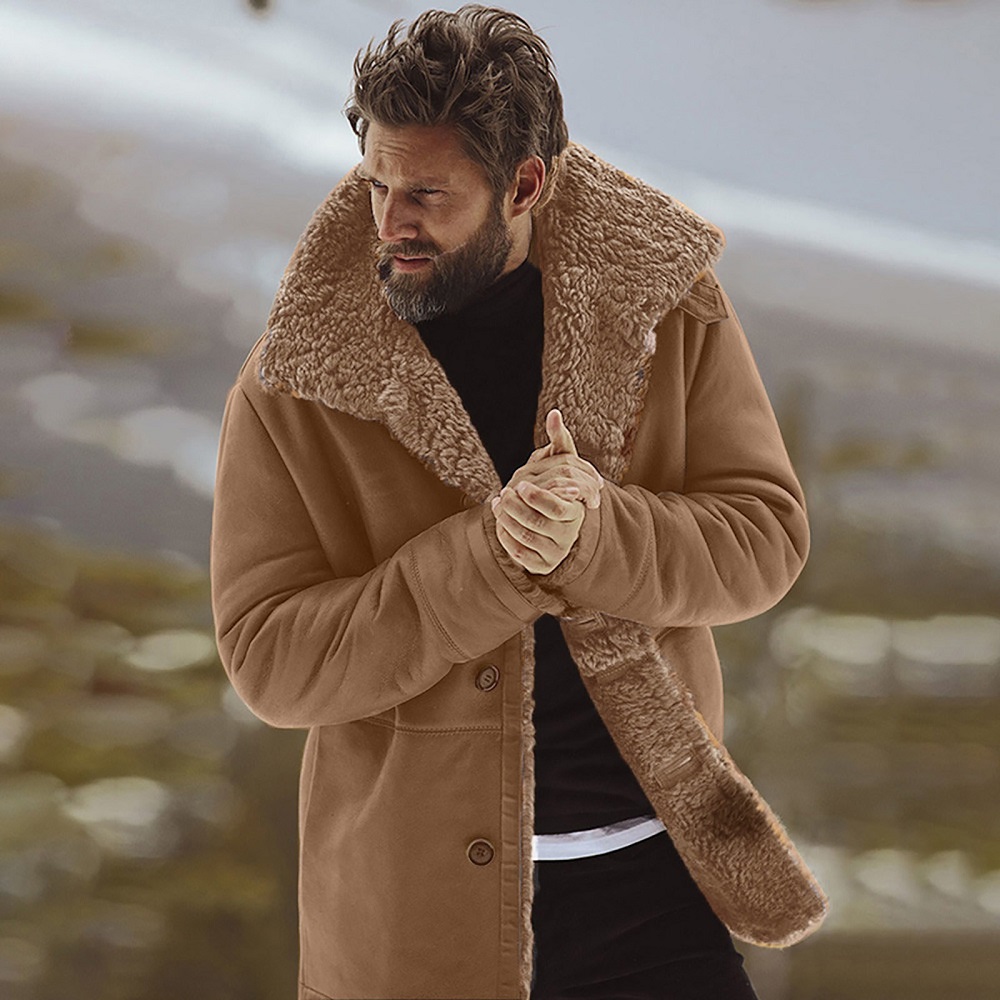
The capote coat has evolved over centuries. While traditional versions prioritized functionality, modern designs incorporate style and new materials. Initially handmade, these coats are now produced using advanced techniques to improve comfort and durability.
Today’s capote coats draw inspiration from their historical origins while adapting to modern fashion trends. Designers experiment with different colors, patterns, and tailored silhouettes. This evolution has made the capote coat a timeless piece that bridges the gap between tradition and contemporary fashion.
Key Features of the Coat
The capote coat stands out for its distinct material choices and design features. This historical garment has been adapted to suit modern needs while retaining its essential qualities. Let’s delve into two key aspects:
Materials Commonly Used
Capote coats were traditionally made from wool trade blankets. Wool was chosen for its warmth and durability, essential for surviving harsh winters. Companies like the Hudson’s Bay Company supplied these blankets, known for vibrant stripes and quality.
Modern capote coats may incorporate other materials. Some designers use blends of wool with synthetic fabrics for lighter, more flexible options. These fabrics enhance the coat’s durability while maintaining its cozy feel. Additionally, sustainable and ethically-sourced materials are growing popular, appealing to eco-conscious buyers.
Unique Design Elements
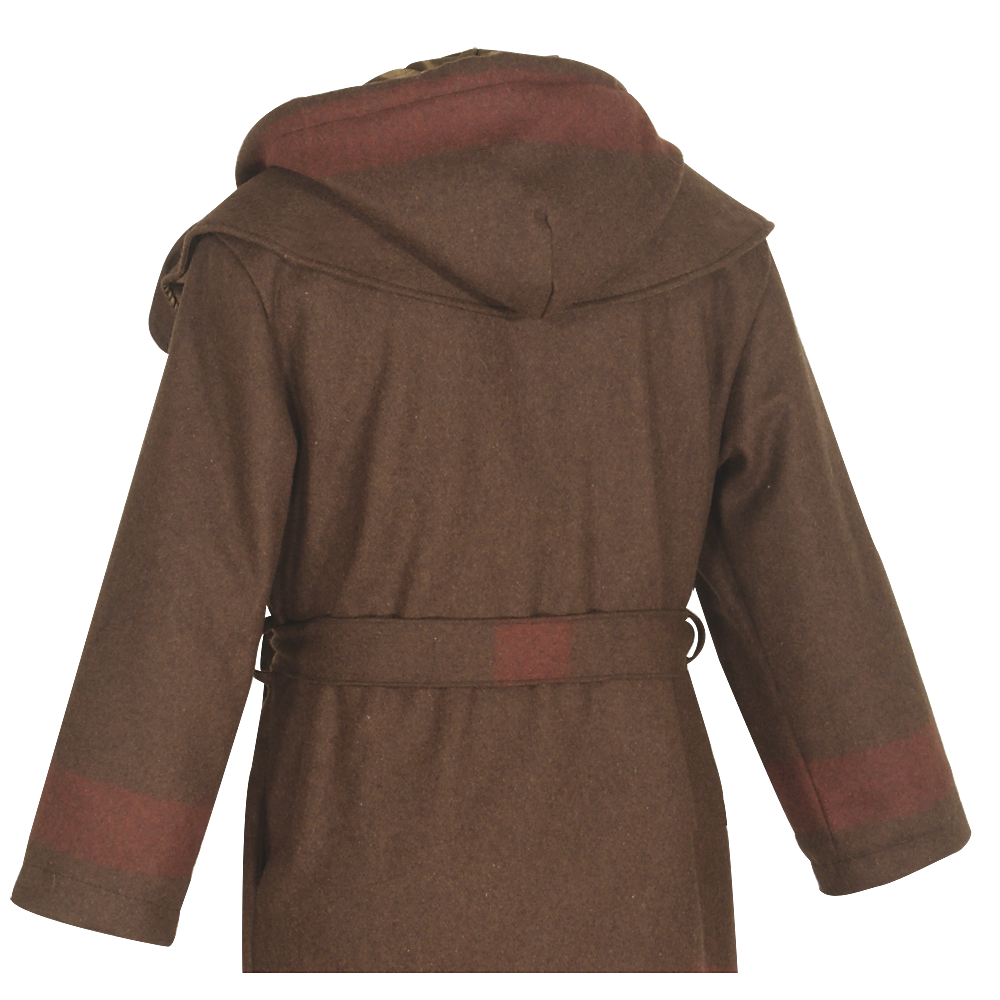
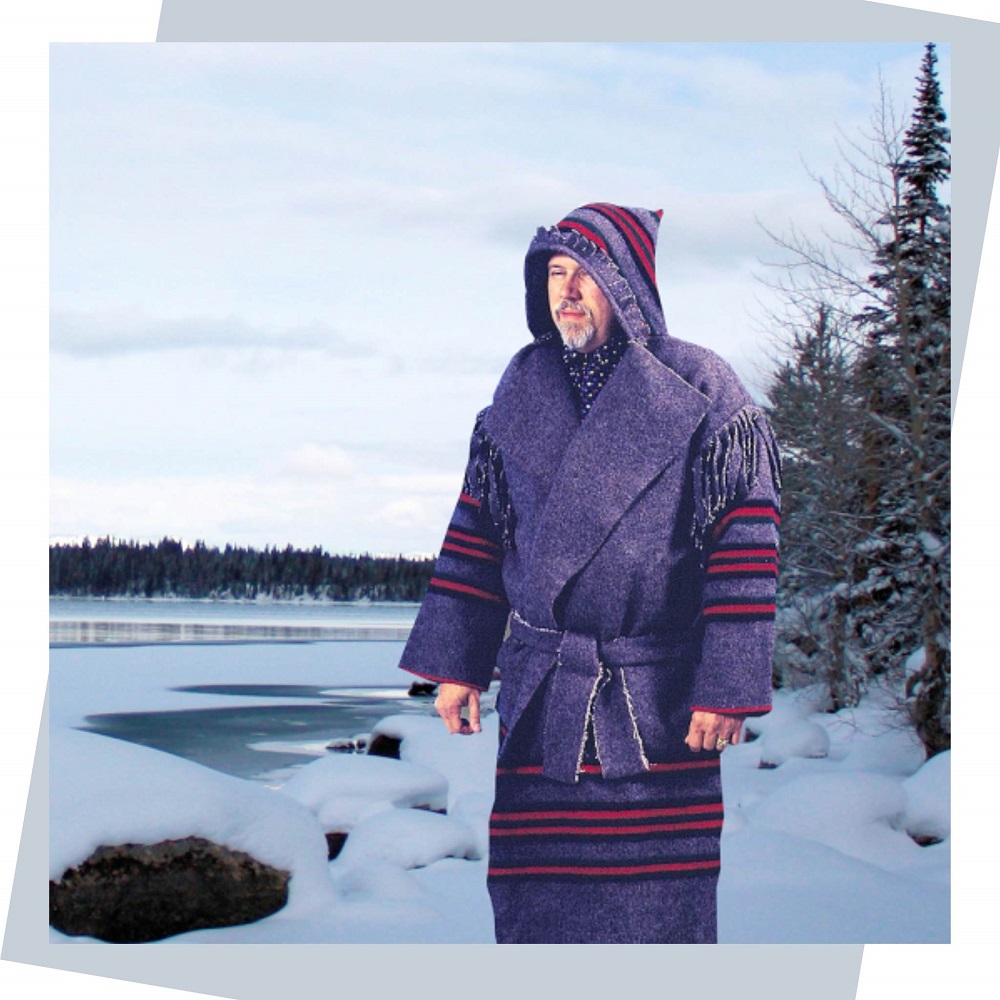
The capote’s design reflects both function and style. Traditionally, it featured long sleeves, a hood, and a belted waist. These elements ensured protection against cold while allowing ease of movement.
Bright colors and bold patterns are signature features, inspired by trade blanket designs. Many capote coats have intricate stitching or embellishments that highlight Indigenous artistry. Modern versions may experiment with tailored cuts, shorter lengths, or minimalist designs, while honoring traditional influences.
The timeless appeal of the capote coat lies in its balance of comfort, practicality, and cultural richness. These unique features make it a standout addition to any wardrobe.

How to Style a Capote Coat
Styling a capote coat can be both fun and versatile. Its unique design blends tradition with modern fashion, making it a standout piece suitable for various looks. Let’s explore how to wear your capote coat to fit contemporary trends and adapt to seasonal changes.
Modern Trends and Pairings
Modern fashion embraces the capote coat in creative ways. Pair it with sleek jeans or tailored pants for a chic look. Neutral or monochrome underneath makes the coat’s vibrant patterns pop. Over knee-high boots, the coat brings a bold, stylish vibe.
For a timeless outfit, layer the capote over a turtleneck sweater. Choose complementing colors for a harmonious appearance. Add a wool scarf or chic hat to highlight the coat’s cultural roots and design details.
Accessorize thoughtfully. Minimalist jewelry works best to balance the coat’s intricate patterns. Crossbody bags or clutches keep the look refined without overpowering the statement piece.
Seasonal Adaptations
The capote coat is perfect for transitioning through seasons. During winter, layer it over thicker sweaters and add gloves. Its wool heritage provides essential warmth. Opt for ankle boots or sturdy snow boots to complete a winter-ready outfit.
In spring, style the capote coat over light dresses or flowy skirts. Pick bright or pastel colors to complement the season. Pair with ankle boots or flats to keep the outfit breezy and playful.
For fall, wear the coat with earthy tones like brown or burgundy. Match it with cozy knits underneath. Leather shoes or boots add stability and elegance to the autumn look.
Even in summer evenings, lighter versions of the capote coat provide stylish layering. Linen trousers or lightweight dresses go well. Aim for breathable fabrics to maintain comfort while showcasing the timeless appeal of the capote coat.
From casual outings to formal events, the capote coat adapts effortlessly. It celebrates both heritage and modern design, offering endless opportunities for personal styling.
Benefits of Owning a Coat
Owning a capote coat offers several advantages that make it a valuable addition to any wardrobe. This timeless piece combines practical benefits with versatile fashion options, ensuring it remains a cherished staple for years to come.
Durability and Practicality
One of the standout features of the capote coat is its durability. Traditionally crafted from thick wool blankets, these coats can withstand harsh weather conditions. Wool is naturally insulating, protecting against cold temperatures and keeping you warm even in freezing climates.
Modern capote coats often incorporate durable fabrics like wool blends and synthetic fibers. These materials improve resistance to wear and tear while maintaining comfort. Some designs feature water-resistant coatings, making the coat ideal for rain or snow.
The practical design elements of the capote coat further enhance its utility. Features such as hoods, belted waists, and long sleeves provide extra protection from wind and cold. Its layered structure makes it perfect for adapting to different seasons, whether you’re exploring nature or commuting in winter.
Versatility in Fashion
The capote coat is a versatile fashion statement suitable for various occasions. Its bold patterns and vibrant colors draw attention, making it a unique piece to elevate casual or formal outfits. Whether styled with jeans or tailored trousers, the coat adds a touch of heritage and flair.
For casual looks, wear the coat over cozy sweaters or light dresses. Pair it with boots or sneakers for a relaxed yet chic appearance. Accessories like scarves and hats can enhance the coat’s artistic details, ensuring a finished look.
In formal settings, the capote coat complements sleek dresses or polished attire. Neutral-colored versions blend seamlessly with suits or gowns, providing elegance and warmth. The coat’s cultural significance also draws admiration at events, highlighting your appreciation for timeless craftsmanship.
The capote coat’s ability to adapt across seasons and trends solidifies its place as a fashionable, practical investment. From durability to unique style opportunities, it offers consistent benefits that make ownership rewarding and enjoyable.
How to Choose the Perfect Coat
Finding the right capote coat requires careful consideration. It’s essential to choose a coat that balances function, style, and comfort. Whether you’re seeking a traditional design or modern flair, keeping key factors in mind can enhance your decision-making process.
Factors to Consider When Shopping
- Material: Focus on the coat’s fabric. Wool offers warmth and durability. Modern blends may add flexibility and lighter weight. Look out for sustainable or ethically-sourced materials for eco-friendly options.
- Fit and Size: Ensure the coat fits you well. Check the sleeve length and overall design. A good capote coat should allow easy movement without being bulky.
- Design Features: Look for essential elements like a hood and belted waist. Consider vibrant patterns inspired by traditional trade blankets, or opt for minimalist designs if you prefer subtler styles.
- Occasion: Think about where you’ll wear the coat. For casual use, lighter designs might work. For colder climates or formal attire, opt for thicker, tailored versions.
- Price: Set a realistic budget. Capote coats vary in cost based on materials, craftsmanship, and brand.
Custom-Made vs Ready-to-Wear
Choosing between custom-made and ready-to-wear capote coats depends on personal preference.
Custom-Made Capote Coats:
- Personalized designs let you pick materials, patterns, and fit.
- Tailored coats often reflect unique cultural or artistic elements.
- These may be pricier but offer exclusivity and better customization.
Ready-to-Wear Capote Coats:
- Ready-made options are more accessible and convenient.
- They cater to a wide range of styles and prices.
- Faster availability and standardized sizing may suit most shoppers.
Both options have unique advantages. Custom coats highlight individuality while ready-made ones offer simplicity and affordability. Whichever you choose, ensure the coat aligns with your style and practical needs.
Caring for Your Coat
Owning a capote coat means understanding its care needs to ensure it lasts for years. Proper care involves regular cleaning and safe storage, which preserve its quality and maintain its charm. Here are practical tips for maintaining your capote coat:
Cleaning and Maintenance Tips
- Understand the Material:
- Most capote coats are made of wool. Handle with care to avoid damage.
- Check the garment label for specific cleaning instructions.
- Spot Clean As Needed:
- Use a damp cloth to gently remove stains.
- Avoid scrubbing hard to prevent fibers from fraying.
- Dry Cleaning:
- For deep cleaning, take your coat to a professional dry cleaner.
- Opt for one experienced with wool or specialty fabrics.
- Avoid Frequent Washing:
- Wool doesn’t require frequent washing. Air out your coat to remove odors.
- Overwashing may weaken the fibers.
- Handle Wet Coats Properly:
- If your capote coat gets wet, do not wring it.
- Hang it to air dry naturally, away from direct sunlight or heaters.
- Pilling Prevention:
- Use a fabric shaver to remove any pilling from wool surfaces.
- This keeps your coat looking fresh and smooth.
Proper Storage for Longevity
- Clean Before Storing:
- Always clean your coat before storing it away. Leftover dirt could attract insects.
- Choose a Breathable Cover:
- Use a cotton or muslin garment bag to allow ventilation.
- Avoid plastic covers, which may trap moisture.
- Use Cedar or Lavender:
- Place cedar blocks or lavender sachets in storage to deter moths naturally.
- Hang Appropriately:
- Use a sturdy, padded hanger to maintain the coat’s shape.
- Avoid flimsy hangers that may distort shoulders.
- Store in a Cool, Dry Place:
- Avoid damp or humid spaces like basements.
- Keep your coat out of direct sunlight to prevent fading.
- Inspect Periodically:
- Check for signs of wear, dust, or pests. Take action if any issues arise.
Investing time in cleaning and proper storage will keep your capote coat in excellent condition. This care enhances the coat’s lifespan and preserves its timeless appeal, ensuring you can enjoy it for years to come.
Where to Buy a Capote Coat
Finding the right capote coat requires knowing where to shop. From big retailers to local artisans, options are plenty. It’s important to choose reputable sellers that offer quality products. Let’s explore two prominent avenues to find your perfect capote coat.
Popular Retailers and Artisans
Large retailers and local artisans provide reliable sources for capote coats. Many fashion brands now include capote-inspired designs in their collections. Online department stores and clothing chains carry modern versions with a variety of styles and sizes.
Artisans and smaller boutiques offer handmade coats that reflect heritage. These are often crafted with high-quality materials and attention to detail. Look for shops focusing on traditional designs or Indigenous-owned businesses for authentic products. Craft fairs and cultural events are excellent places to discover unique capote coats.
Shopping locally or online, compare materials, patterns, and customer reviews. Retailers and artisans each offer benefits—whether you prioritize accessibility or cultural authenticity.
Supporting Indigenous Craftsmanship
Indigenous artisans play a vital role in preserving the tradition of capote coats. Supporting these makers celebrates craftsmanship while contributing to their communities. Many Indigenous businesses create capote coats using traditional methods and designs.
Purchasing from Indigenous artisans ensures your coat holds cultural significance. These coats often feature patterns with deep meanings, passed down through generations. Supporting Indigenous-made products fosters a connection to the coat’s origins and sustains these unique traditions.
Seek Indigenous-owned businesses, cultural marketplaces, and Indigenous arts organizations. Spending on these products supports fair trade and empowers artisans directly. When buying from these sources, you invest in timeless skill and heritage.
Whether you choose popular retailers or Indigenous artisans, buying the capote coat aligns fashion with meaningful history. It’s a perfect opportunity to embrace style and culture simultaneously.