Why Dogs Need Winter Coats
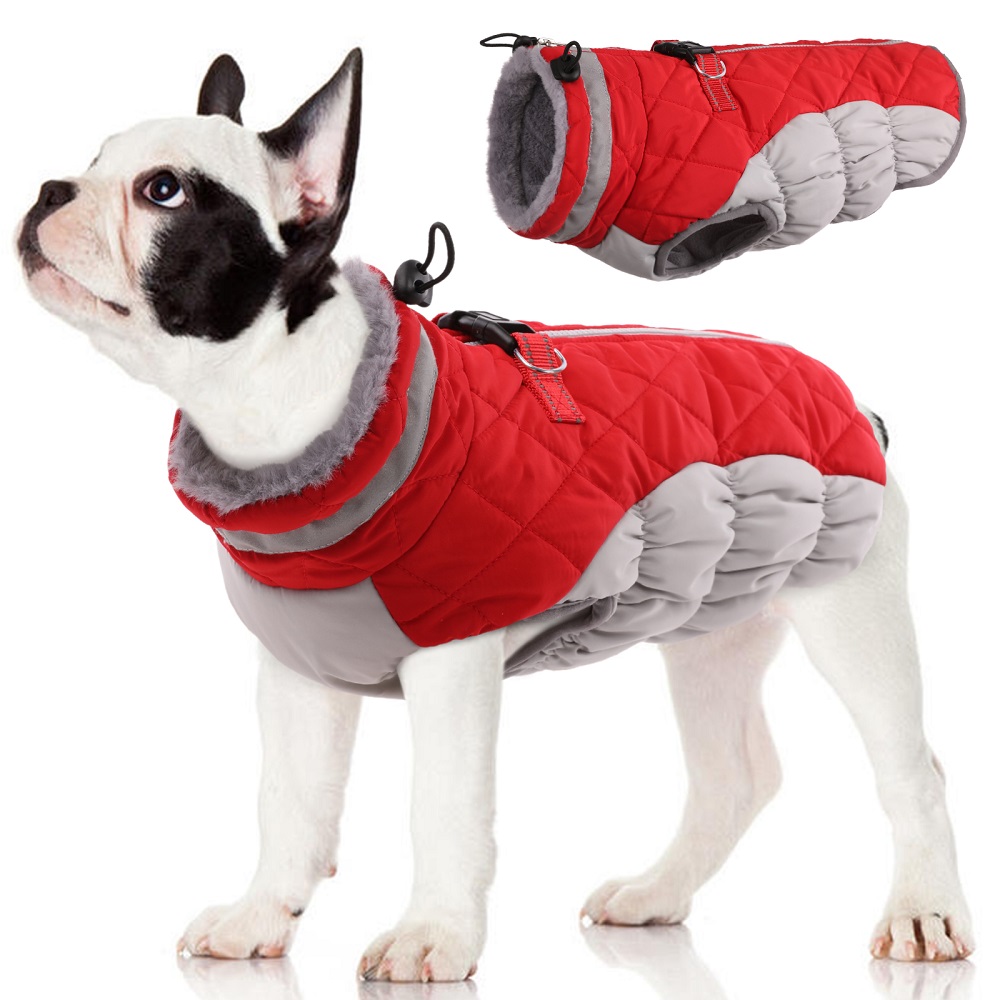
Winter coat for dogs are essential in the colder months. Dogs, like humans, can struggle with freezing temperatures. They may feel cold or uncomfortable during chilly days. Not all breeds have thick fur to provide natural warmth. Small, elderly, or short-haired dogs are especially vulnerable to cold weather. Understanding their needs can help keep them safe and comfortable.
Signs Your Dog May Need Extra Warmth
Some dogs show obvious signs of being cold. Watch for shivering or trembling after outdoor walks. Reluctance to go outside or seeking extra blankets may indicate cold discomfort. Dry or cracking skin could also hint at the need for extra warmth. Pay attention to their behavior, especially in freezing temperatures.
Benefits of Keeping Your Dog Warm in Cold Weather
A winter coat ensures your dog stays warm and healthy. It protects them from frostbite and hypothermia during freezing weather. Warm clothing adds a layer of comfort, making outdoor activities more enjoyable. Proper warmth also helps support their immune system and joint health. Providing warmth keeps your dog happy and safe in winter.
Factors to Consider When Choosing a Winter Coat
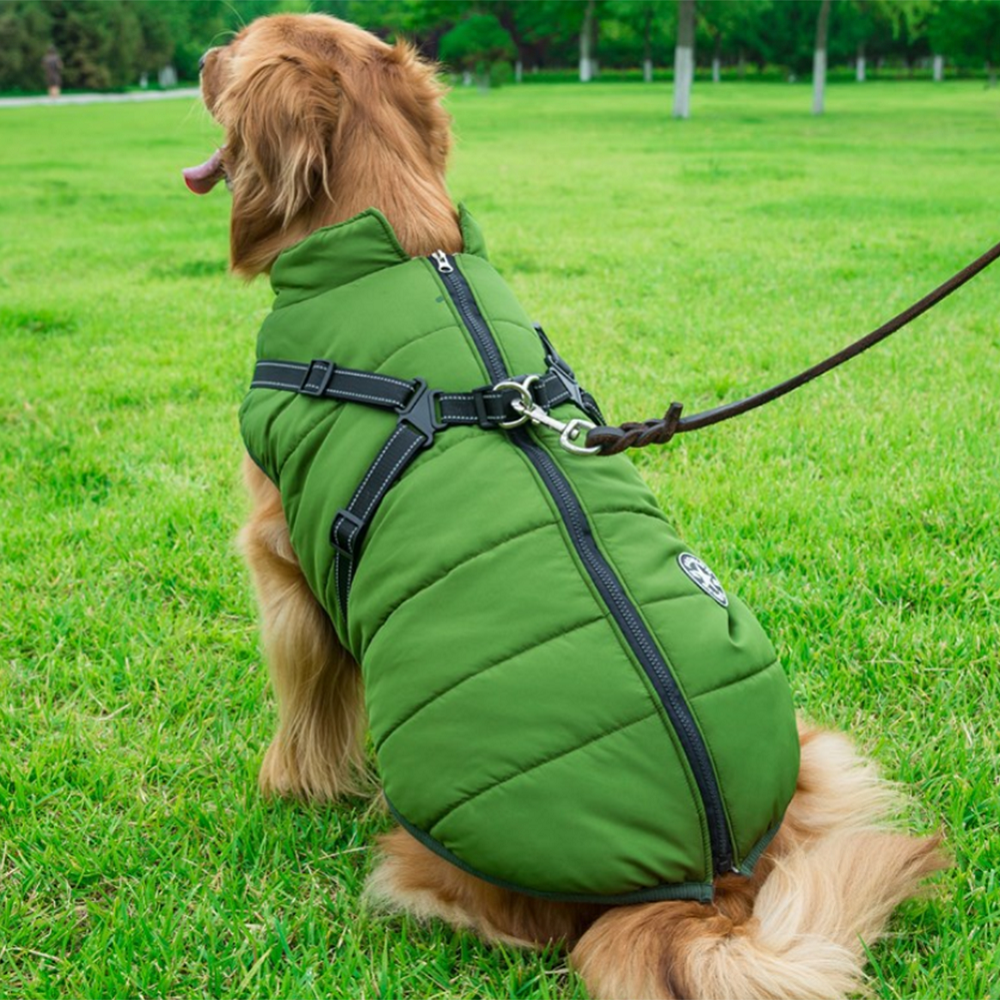
Choosing the right winter coat for dogs is essential for their comfort and protection. Several factors should guide your decision to ensure proper functionality and satisfaction.
Size and Proper Fit for Comfort
A correctly fitting coat is crucial for a dog’s comfort and mobility. Measure your dog’s length, chest, and neck accurately. The coat should cover their body without being too tight or too loose. Ensure it doesn’t restrict movement or cause discomfort around the legs or neck. A snug fit prevents the coat from slipping or dragging during walks.
Material and Insulation for Warmth
The choice of materials significantly impacts the coat’s warmth. Look for coats made with wool, fleece, or padded insulation. These materials trap heat and keep your dog warm in cold conditions. Lightweight fabrics may work for mild winters, but thicker, insulated coats are better for freezing temperatures.
Waterproof vs. Water-Resistant Options
Decide based on your region’s weather. Waterproof coats are ideal for wet and snowy environments. They keep your dog dry during walks in rain or snow. Water-resistant coats are suitable for less extreme conditions but may soak through in heavy rain. Consider the coverage provided, especially if your dog enjoys outdoor play.
Ease of Cleaning and Maintenance
Dogs often get dirty during outdoor activity. Select a coat that is machine washable or easy to clean by hand. Durable materials that resist stains and odors are ideal. Regular cleaning ensures the coat remains hygienic and odor-free, keeping your dog comfortable.
By considering these factors, you can find a winter coat for dogs that ensures warmth, comfort, and durability.
Types of Winter Coats for Dogs
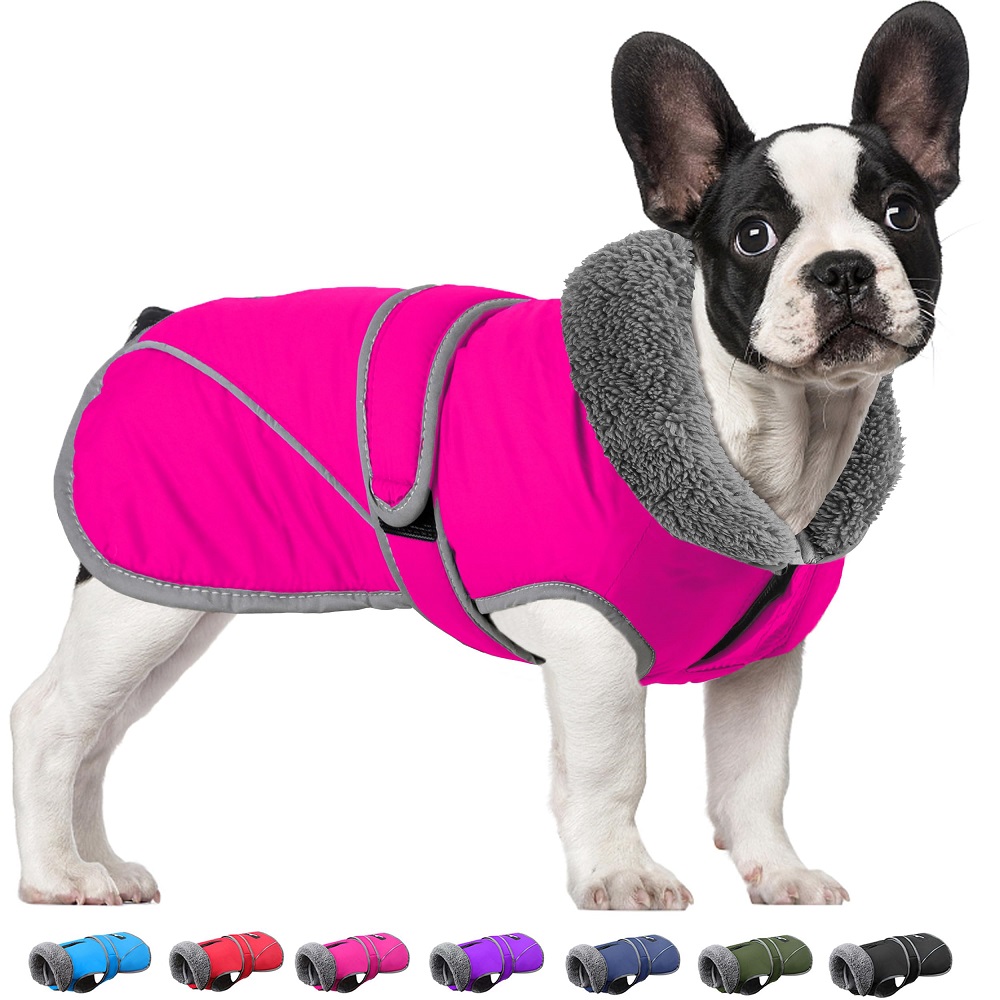
Winter coats for dogs come in various designs to suit different needs. Each type offers unique benefits. Understanding these types ensures the best choice for your dog.
Basic Insulated Coats
Basic insulated coats provide essential warmth during cold days. They feature soft, padded materials like fleece. These coats are ideal for short walks in mild winter weather. Ensure the coat covers the back and chest for maximum warmth. Smaller or short-haired breeds benefit most from basic insulated coats.
Rain-Resistant Coats with Warmth
Rain-resistant coats protect dogs from cold rain and light snow. Coats with combined insulation offer added comfort. Waterproof materials like nylon or polyester are commonly used. These coats keep your dog warm and dry during wet, chilly conditions. Choose one with adjustable straps for a snug fit.
Full-Body Coverage Coats
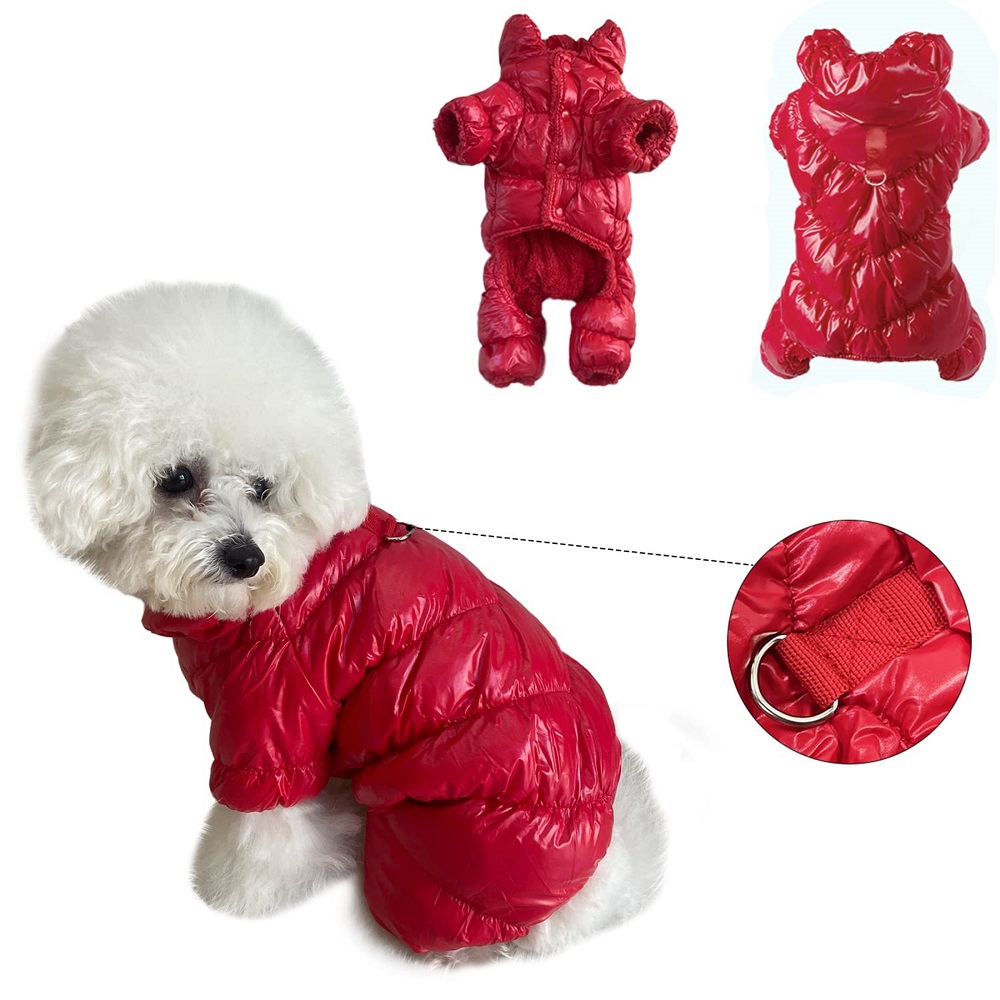
Full-body coats offer maximum protection against extreme cold and wind. They cover the torso, legs, and even neck areas. These coats are ideal for long walks in freezing temperatures. Many feature attached hoods for added warmth. Full-body coats suit dogs that live in harsh winter environments.
Coats for Different Dog Breeds
Certain breeds require specific coat designs based on their shape and needs. Small or slim breeds benefit from thicker, insulated coats. Breeds with longer bodies, like Dachshunds, need coats tailored to their length. Dogs with deep chests, such as Greyhounds, require special cuts for comfort. Consider your dog’s breed when selecting the right winter coat.
How to Measure Your Dog for a Winter Coat
Proper measurements are key to finding a comfortable and effective winter coat for dogs. Ensuring an accurate fit helps avoid discomfort and keeps your dog cozy. Here’s how to measure your dog properly:
Essential Measurements to Take
- Neck circumference: Use a flexible tape to measure around the base of the neck. Ensure the tape is snug but not too tight.
- Chest girth: Measure the widest part of your dog’s chest, which is just behind the front legs.
- Body length: Measure from the base of the neck to the base of the tail. Keep your dog standing straight for an accurate length.
- Leg length (if needed): For full-body coats, measure the length of your dog’s front and back legs from the base to the paw.
Take these measurements twice to ensure accuracy. Write them down and compare them to size charts provided by the coat manufacturer.
Common Fit Issues and How to Avoid Them
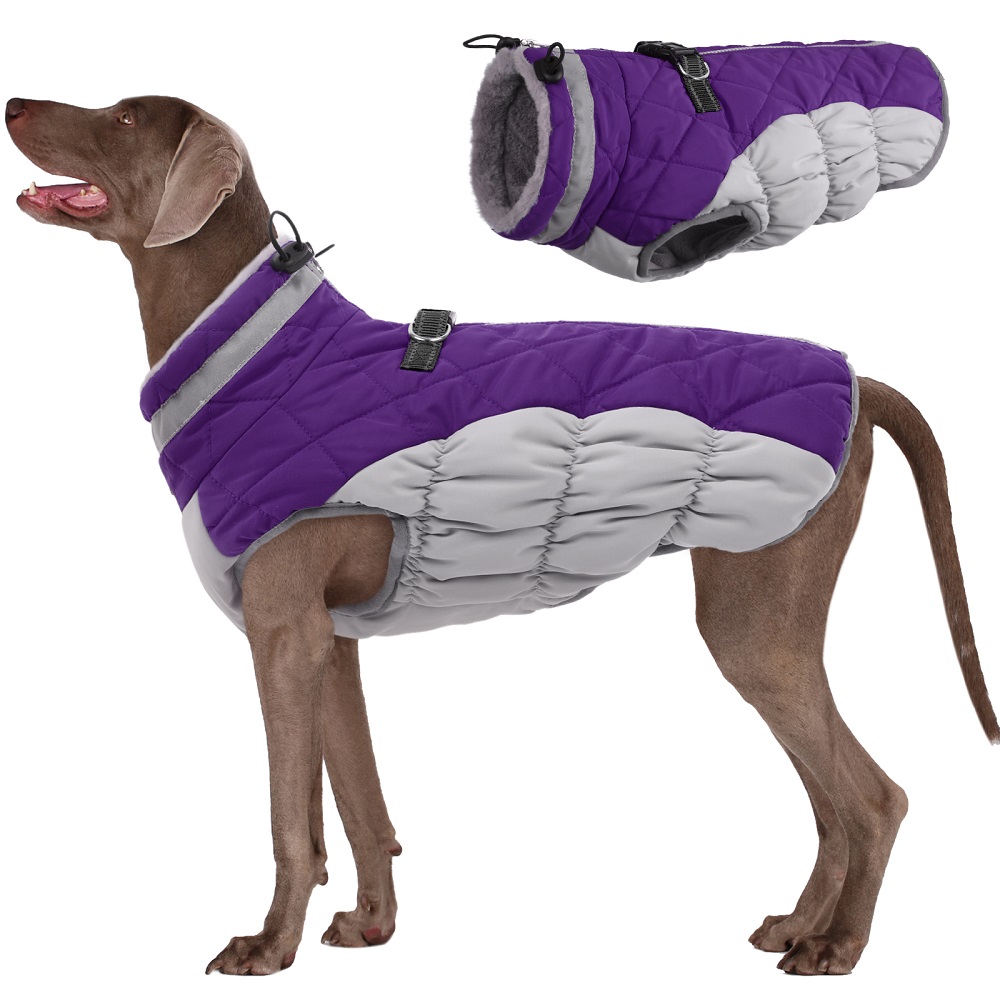
- Too tight or loose around the neck: A neck that is too tight restricts breathing and swallows. Choose adjustable closures to customize the fit.
- Baggy chest area: A loose chest area can cause the coat to shift or slide off. Match measurements to the manufacturer’s guidelines to get the right size.
- Insufficient length coverage: Coats that are too short leave your dog’s rear end exposed. Ensure the length covers your dog without reaching the tail.
- Restricted mobility: Tight leg holes or improper designs can hinder your dog’s movement. Make sure your dog can walk and run comfortably while wearing the coat.
By taking careful measurements and avoiding these issues, you can find a winter coat that fits your dog perfectly, ensuring they stay warm and happy in cold weather.
Top Features to Look for in a Dog Winter Coat
When choosing a winter coat for dogs, specific features ensure functionality, comfort, and safety. These features not only enhance usability but also keep your dog warm and secure during the colder months. Here are the top features to prioritize:
Adjustable Straps and Closures
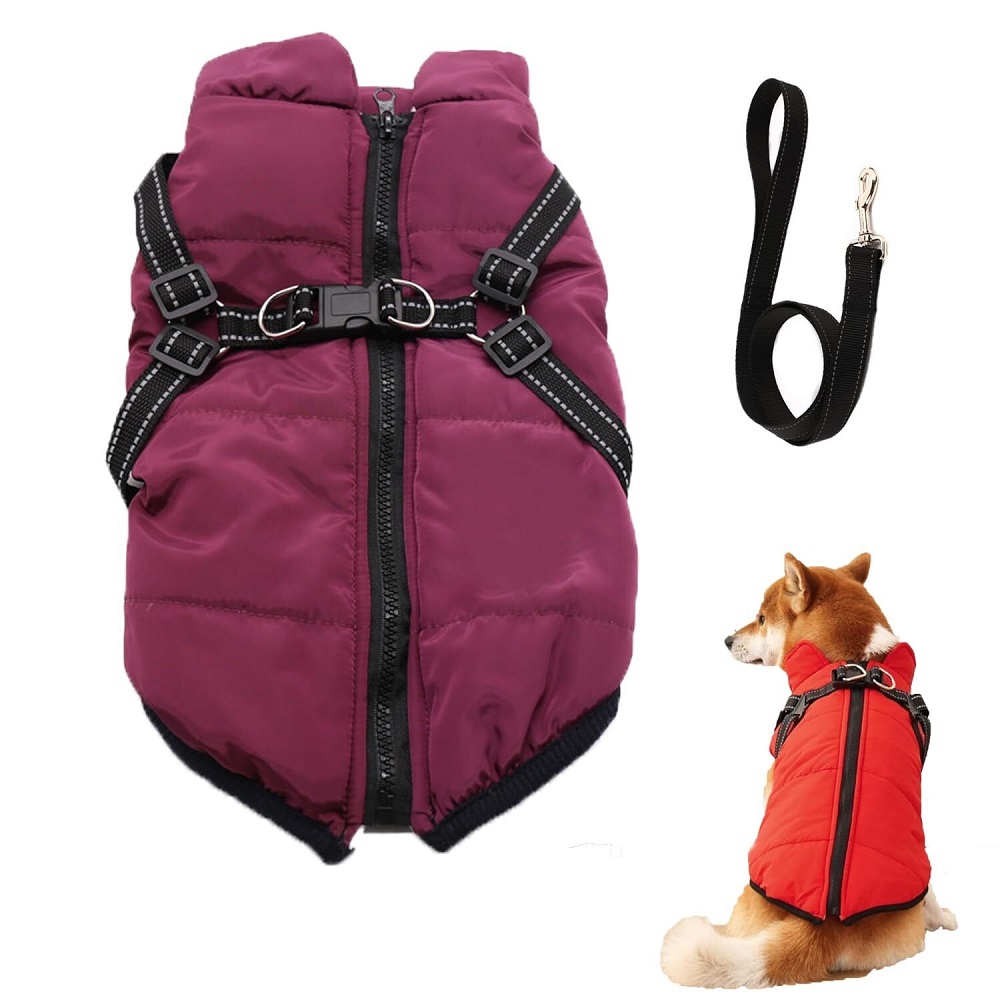
Adjustable straps and secure closures provide a customized fit for your dog’s unique size. These features prevent the coat from slipping or loosening during activities. Look for adjustable velcro straps, drawstrings, or buckle closures. Elasticized openings or stretchable fabric can ensure better flexibility and comfort. A well-fitted winter coat for dogs allows free movement and avoids any choking hazards.
Reflective Elements for Safety
Reflective elements enhance visibility during walks in low-light conditions like early mornings or evenings. These features are crucial for keeping your dog safe from cars and cyclists. Look for coats with reflective strips, piping, or patches. These reflective add-ons make your dog more easily spotted in dark or foggy conditions. Safety should always be a top priority during winter outings.
Style and Aesthetic Options
Besides functionality, style matters when picking a winter coat for dogs. Select designs that suit your dog’s personality and your preferences. Coats come in various colors, patterns, and styles to match your dog’s unique look. Some coats even feature cute designs, like plaid or polka dots. Choose a coat that fits your dog’s shape while making them look adorable.
A winter coat for dogs with these features ensures maximum protection and a positive experience. Stay focused on comfort, safety, and personal style for the best results.
Tips for Introducing Your Dog to a Winter Coat
Introducing your dog to a winter coat can be challenging but manageable. Dogs may initially resist wearing a coat. Using proper techniques ensures a smooth adjustment. Gradual steps and reinforcement will help them feel comfortable.
Gradual Introduction Techniques
- Start Slowly: Place the coat near your dog without putting it on. Let them sniff and examine it.
- Short Trials: Dress your dog in the coat for a few minutes initially. Keep sessions brief and positive.
- Indoor Practice: Allow your dog to wear the coat indoors first. This helps them get used to the feel.
- Gradual Fit Adjustments: If the coat has straps or closures, adjust them over time for a perfect fit. Ensure no discomfort.
- Outdoor Walks: After indoor sessions, let your dog wear the coat during short outdoor walks. Gradually increase walk duration as they acclimate.
Positive Reinforcement Methods
- Offer Treats: Reward your dog with treats when they wear the coat. Treats create positive associations.
- Use Encouraging Words: Praise your dog while dressing them in the winter coat. Use an upbeat tone.
- Playtime Rewards: Let your dog play their favorite games while wearing the coat. This makes wearing the coat fun.
- Keep Calm: Avoid forcing the coat on your dog. Stay patient to maintain their trust.
Helping your dog adjust to a winter coat requires patience and positivity. Following these tips ensures a smooth transition during cold months.
Caring for Your Dog’s Winter Coat
Proper care of your dog’s winter coat keeps it effective and long-lasting. Regular maintenance is essential for hygiene, durability, and comfort. Here are some key care tips:
Washing and Maintenance Tips
- Follow Label Instructions: Always check the care label on the coat for washing instructions.
- Use Cold Water: Wash the coat in cold water to maintain its fabric quality.
- Mild Detergent Only: Use a gentle, pet-safe detergent. Avoid harsh chemicals or fabric softeners.
- Hand Wash When Possible: If the coat is delicate, hand wash it to prevent damage.
- Air Dry Completely: Allow the coat to air dry. Avoid using dryers as heat may weaken materials.
- Spot Clean for Minor Dirt: For small stains, use a damp cloth to spot clean instead of full washing.
- Inspect Regularly: Check for damages like tears or loose seams and repair them promptly.
These steps ensure your dog’s coat is clean, comfortable, and lasts through the season.
Storage During Warmer Months
- Clean Before Storage: Wash the coat before storing it to avoid stains or odors during storage.
- Dry Thoroughly: Ensure the coat is fully dry to prevent mold or mildew.
- Use a Storage Bag: Store the coat in a breathable cloth bag to protect it from dust.
- Store in a Cool Place: Choose a dry, cool area to keep the coat safe from humidity or insects.
- Avoid Folding Excessively: Instead, hang the coat or store it flat to maintain its shape.
- Inspect Before Next Use: Before winter starts, check the coat for damage or wear.
Proper storage helps retain the coat’s quality and keeps it ready for the next winter season.
Popular Winter Coat Brands and Products for Dogs
Selecting the right winter coat for dogs extends beyond design and material. Trusted brands and products ensure quality, comfort, and durability. They offer diverse options suited to different needs and budgets.
Overview of Trusted Brands
- Ruffwear: Known for rugged outdoor gear, Ruffwear offers durable, insulated dog coats. Their designs prioritize functionality and comfort for active dogs.
- Kurgo: Kurgo provides stylish and adjustable coats. These are ideal for dogs of various sizes and activities.
- Hurtta: A premium brand specializing in fitting coats for different dog breeds. Their coats feature heavy-duty materials ideal for extreme weather.
- Canada Pooch: Valued for fashionable yet functional winter coats. Their designs include thermal features for optimal warmth.
- Petsafe: Petsafe offers economical yet effective coats. They deliver reliable insulation for protection during cold days.
These brands stand out for quality, adaptability, and long-lasting performance.
Budget-Friendly vs. Premium Options
Budget-Friendly Choices
- Affordable coats still provide basic warmth and weather-resistance.
- Brands like Petsafe offer simple insulated designs at lower prices.
- Machine-washable materials for easy upkeep are common.
- Suitable for less extreme weather and short outdoor trips.
Premium Options
- Premium coats feature advanced insulation and waterproofing.
- Brands like Ruffwear and Hurtta focus on durability and all-weather readiness, justifying higher costs.
- Adjustable features ensure personalized fit for supreme comfort.
- Ideal for dogs in harsh winter climates or frequent outdoor activities.
When picking winter coat for dogs, consider your budget, your dog’s needs, and the weather conditions. Trusted brands and quality products ensure warmth, comfort, and safety during the winter months.