Introduction to Home Humidifiers
The Importance of Humidity Levels
Maintaining optimal humidity levels in your home is essential for comfort and health. Humidity refers to the amount of moisture present in the air. When the air is too dry, it can lead to a range of problems, including dry skin, respiratory issues, and increased susceptibility to viruses. Conversely, excessive humidity can create a breeding ground for mold and dust mites. Ideal indoor humidity levels are typically between 30% and 50%. Understanding the significance of humidity provides the foundation for recognizing the value of home humidifiers in your living space.
How Humidifiers Work
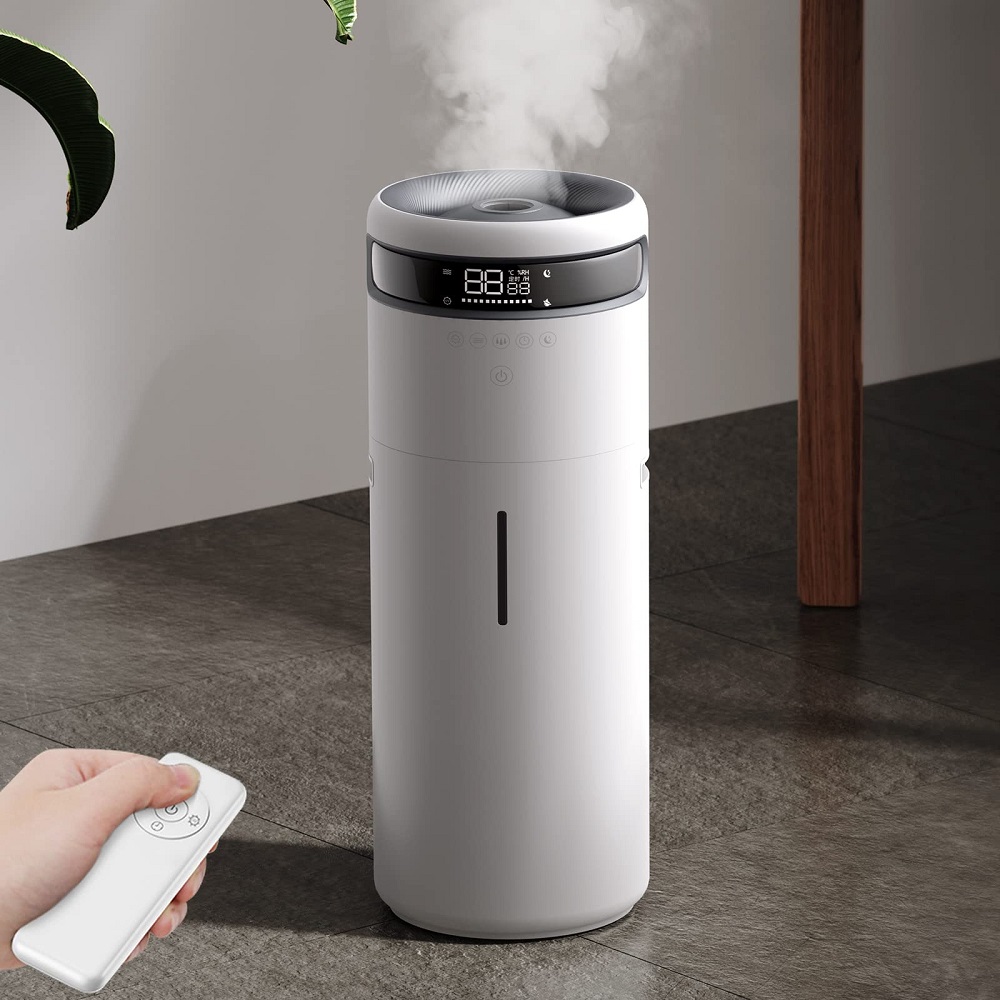
Humidifiers are devices designed to increase moisture levels in the air. They work by releasing water vapor or mist into the living environment. Different types of humidifiers employ various methods to achieve this, such as evaporation, ultrasonic vibrations, or steam. By adding moisture to the air, humidifiers create a more comfortable atmosphere. They are particularly beneficial during the winter months when indoor heating can strip the air of humidity. Using a humidifier can help improve your indoor air quality and overall well-being.
Purpose of This Article
This article aims to guide readers through the best home humidifiers available. We will explore the various types, features, and benefits associated with each. Additionally, we will provide tips on choosing the right humidifier based on your specific needs. By the end of this article, you will have a comprehensive understanding of your options when it comes to home humidifiers. This knowledge will aid you in selecting a device that enhances your living environment.
Types of Home Humidifiers
Evaporative Humidifiers
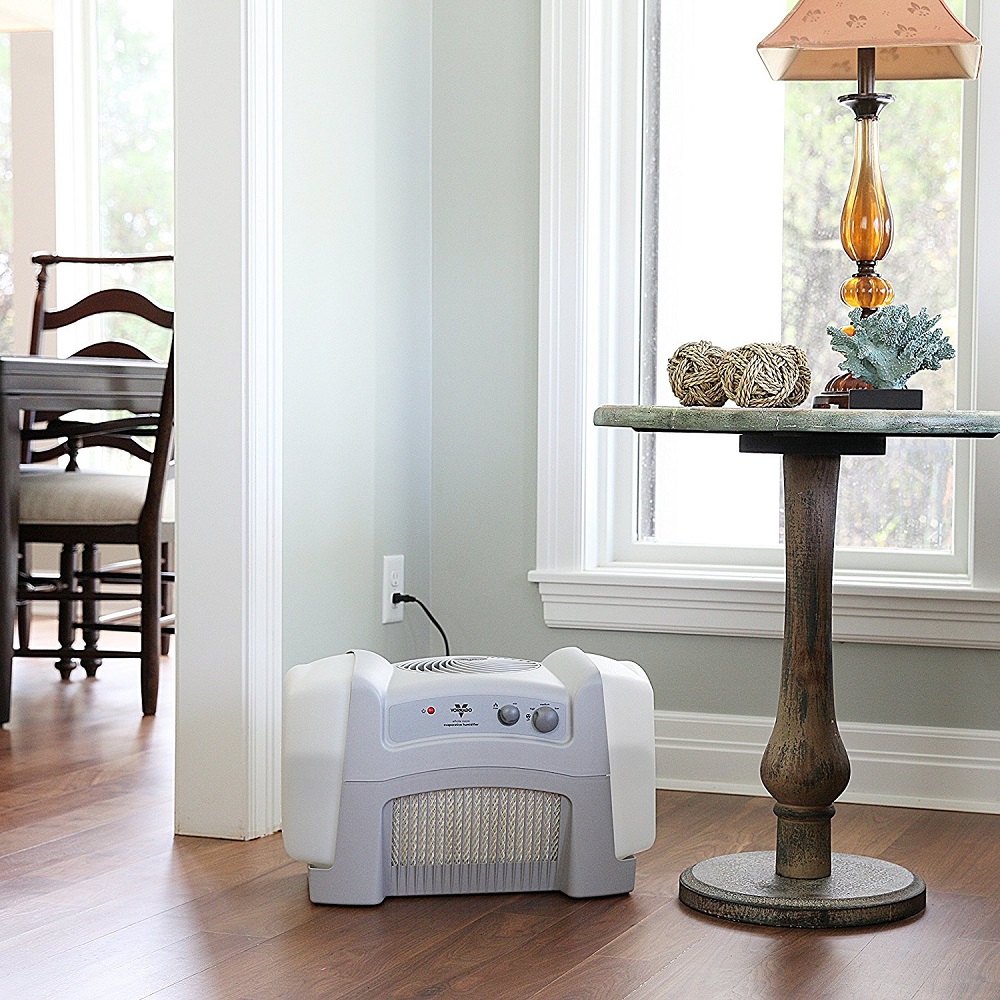
Evaporative humidifiers are one of the most common types used in homes. They function by drawing air through a moistened wick or filter. As the air passes through, it picks up moisture and is released back into the room. These humidifiers are self-regulating; as humidity levels rise, evaporation slows down, helping to prevent over-humidification. Evaporative models are easy to maintain, but they do require regular wick replacement. Their ability to effectively regulate humidity levels makes them a popular choice for many households.
Ultrasonic Humidifiers
Ultrasonic humidifiers utilize high-frequency vibrations to produce a fine mist of water. They are known for their quiet operation, making them suitable for bedrooms and other quiet spaces. Most ultrasonic models come with adjustable settings, allowing users to control the amount of mist produced. They are energy-efficient and come in various designs and sizes. The fine mist produced by these humidifiers easily spreads throughout the room, promoting consistent moisture levels.
Steam Vaporizers
Steam vaporizers work by boiling water to produce steam, which is then cooled slightly before being released into the air. This method effectively kills bacteria and germs that may be present in the water. Steam vaporizers are particularly useful during cold and flu season as they can relieve respiratory symptoms. However, it’s essential to be cautious with these units, especially around children, as the hot steam and boiling water can pose a burn risk. Steam vaporizers are a great choice for those looking for added warmth and moisture during the cold months.
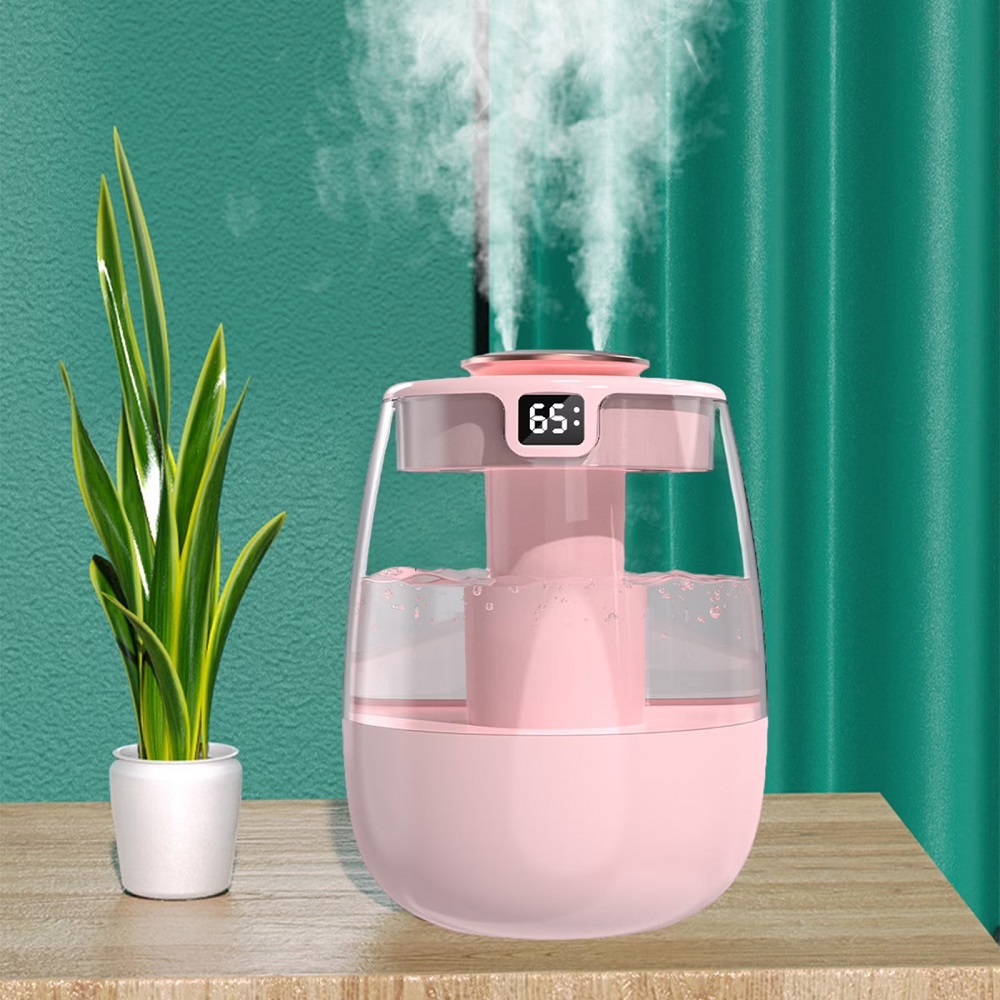
Key Features to Consider
Tank Capacity
When choosing a humidifier, tank capacity is an essential factor to consider. The size of the tank determines how long the unit can operate before requiring a refill. Smaller tanks may need daily refills, while larger tanks can run continuously for several days. Assessing your daily needs and how often you want to refill the tank will help you make a decision. If you prefer a low-maintenance option, choose a humidifier with a larger tank capacity to ensure uninterrupted operation.
Run Time
The run time of a humidifier is another critical aspect to evaluate. It is determined by tank capacity, but the mist output level also factors into it. Some humidifiers can operate for 24 hours or more on a single tank. If you plan to use the humidifier overnight or for extended periods, a longer run time is essential. This feature can significantly enhance convenience, allowing users to enjoy humidified air consistently.
Humidity Control Settings
Modern humidifiers often come equipped with humidity control settings. This feature allows users to set specific humidity levels and automatically maintain them. Some models might include built-in hygrometers to monitor humidity levels in real-time. Having the ability to adjust settings based on comfort needs can lead to better air quality and comfort. Choosing a humidifier with precise humidity control enhances the experience of using the device.
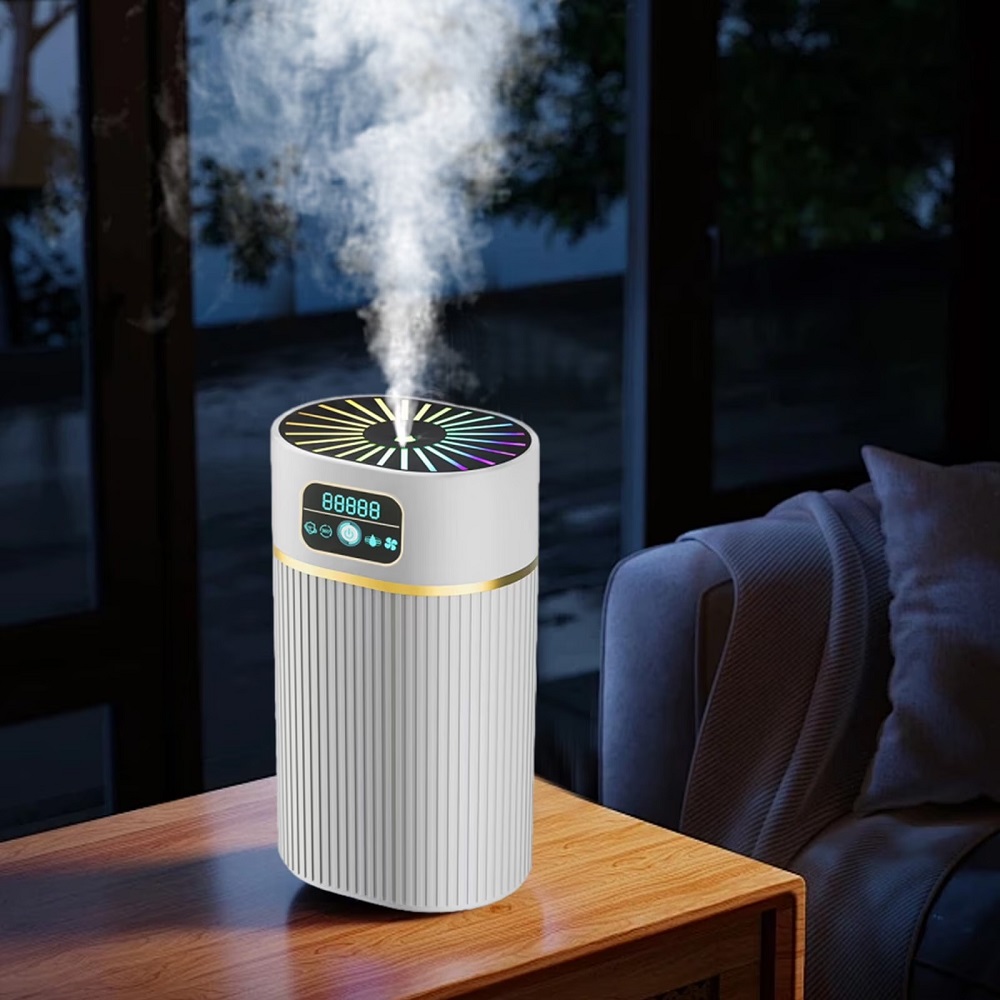
Maintaining Your Humidifier
Regular Cleaning
Proper maintenance is crucial to ensure that your humidifier runs efficiently. Weekly cleaning is generally recommended to avoid mineral buildup and bacterial growth. Many humidifiers come apart easily, allowing for thorough cleaning of all components. Using a mixture of vinegar and water can help remove mineral deposits. For models with filters, be sure to follow the manufacturer’s instructions for cleaning or replacing them. Establishing a regular cleaning schedule will help keep your humidifier functioning well and improve the air quality in your home.
Tank Maintenance
The tank of the humidifier is where water is stored, so it is important to keep it clean. A dirty tank can lead to mold and bacteria growth, which might be released into the air. To clean the tank, empty it and use a bottle brush with mild soap or vinegar to scrub the interior. Rinse thoroughly and ensure that no residues remain before refilling it with clean water. Regular tank maintenance helps maintain healthy air quality and ensures the device functions optimally.
Monitoring for Repairs
Regularly inspect the humidifier for any signs of wear or malfunction. Look for leaks, strange noises, or reduced mist output. Addressing these issues early can prevent larger problems down the line. If any parts need replacing, it is essential to do so promptly to maintain efficiency. If your unit requires significant repairs, it may be more cost-effective to invest in a new one rather than spending more on fixes. Keeping an eye on your humidifier helps ensure that it remains effective in improving the air quality in your home.
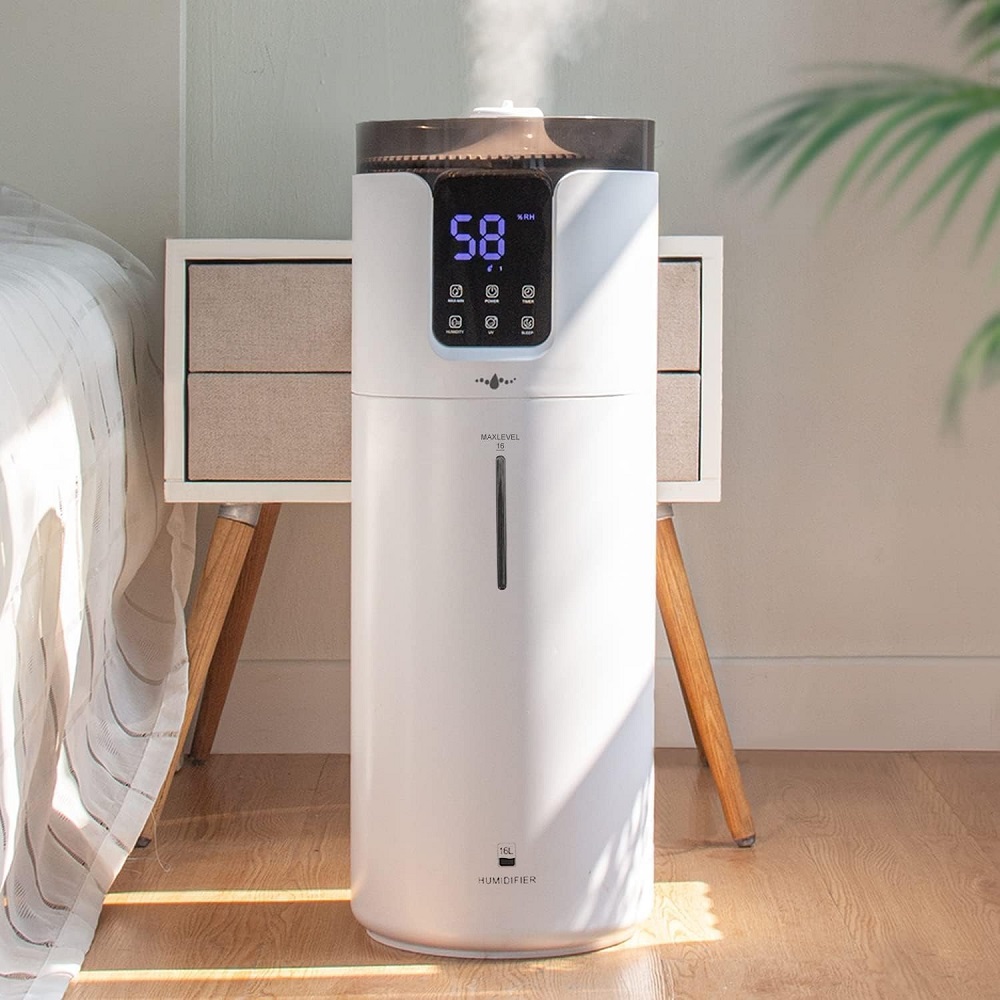
Benefits of Using a Humidifier
Improved Air Quality
Using a humidifier can significantly enhance your home’s air quality. It helps reduce the level of airborne particles, such as dust and allergens, making the air safer to breathe. By adding moisture, humidifiers can also ease breathing problems related to dryness, such as asthma or allergies. Improved air quality contributes to better health and comfort, particularly during dry seasons. This enhancement in air quality can lead to a more pleasant living environment for all family members.
Enhanced Comfort
Dry air can lead to discomfort, including dry skin, chapped lips, and irritated sinuses. By adding moisture, humidifiers create a more comfortable atmosphere. This is especially beneficial during winter when indoor heating can strip the air of moisture. A humidifier can help alleviate these issues, making your home a relaxing sanctuary. Enhanced comfort leads to a better overall quality of life, allowing you to enjoy your living space fully.
Health Benefits
Using a humidifier can offer several health benefits beyond improving comfort. Moist air can help prevent the spread of respiratory infections and soothe symptoms associated with colds and allergies. When the air is appropriately humidified, nasal passages remain moist, reducing irritation and allowing for easier breathing. Families with children or individuals with asthma and allergies may find that using a humidifier improves their quality of life. Ensuring a healthy indoor environment is crucial for overall health and well-being.
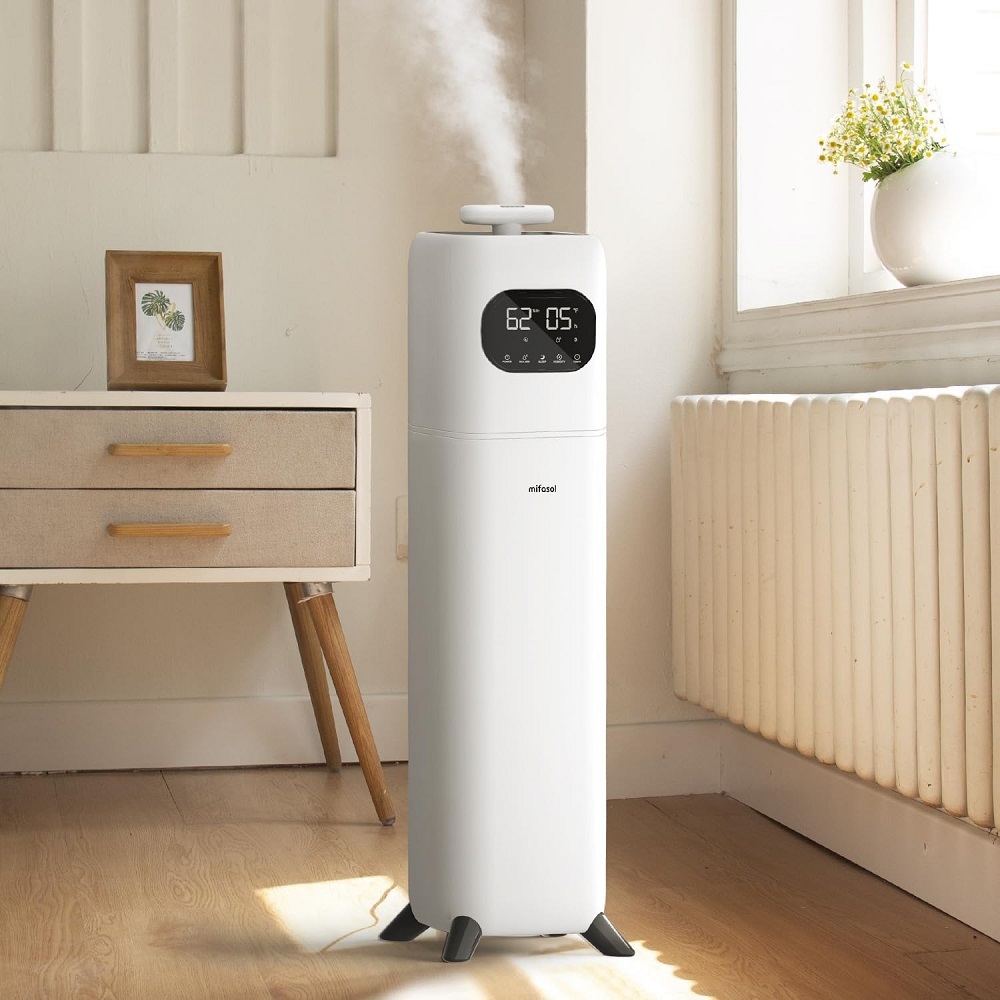
Selecting the Right Humidifier for Your Home
Assessing Your Space
When choosing a humidifier, it is essential to assess your living space. Notice the square footage of the room where you plan to use it. Humidifiers vary in size and capacity, with some designed for small rooms and others for larger areas. Choosing a unit that fits the size of your space ensures effective humidity distribution. Check the manufacturer’s recommendations to find a model that will provide optimal performance in your chosen area.
Style and Design Preferences
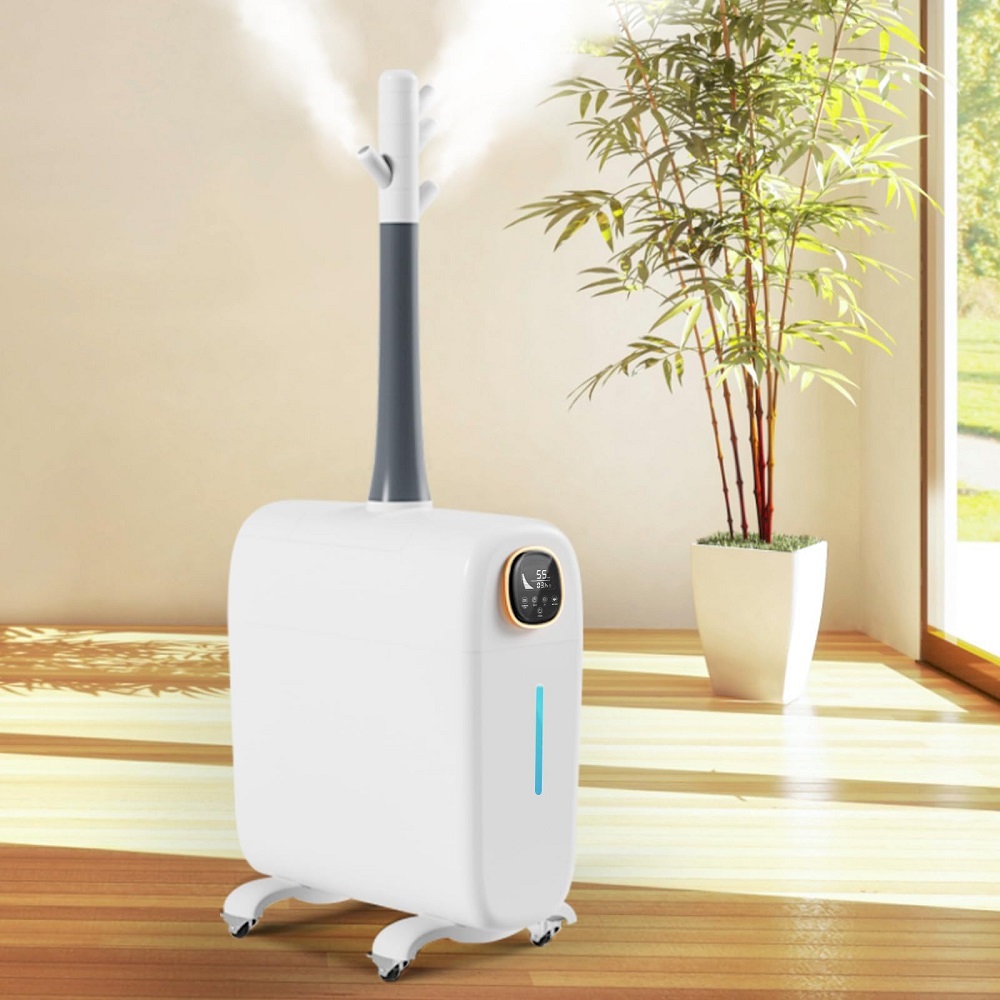
The style and design of a humidifier can add to the overall aesthetic of your home. Many modern humidifiers feature sleek designs that blend well with home decor. Consider choosing a style that complements your interior design. Additionally, look for noise levels if you plan to use the humidifier in a bedroom or quiet space. Some models operate silently while others may produce noticeable sounds. Picking an attractive and functional model enhances both comfort and interior design.
Price Considerations
Budget is an important consideration when purchasing a humidifier. Prices can vary significantly depending on size, type, and brand. It is essential to set a budget before shopping and stick to it. While it may be tempting to choose the cheapest option, investing in a quality humidifier can provide better results. Consider long-term costs associated with maintenance, filters, and energy efficiency. Finding a balance between quality and cost helps ensure that you select the right humidifier for your home.
FAQ:
- What are the different types of home humidifiers?
- The main types include evaporative humidifiers, ultrasonic humidifiers, steam vaporizers (warm mist), and impeller humidifiers. Each type has its benefits and drawbacks, such as maintenance requirements, noise levels, and heating capacity.
- How do I choose the right humidifier for my home?
- When selecting a humidifier, consider factors such as the size of the room, the type of humidifier, humidity output (measured in gallons per day), added features (like a built-in hygrometer or auto shut-off), and ease of cleaning. It’s advisable to choose a model suitable for the specific size of the space you want to humidify.
- How often should I clean my humidifier?
- To maintain a clean and efficient unit, you should clean your humidifier every three days for regular use and perform a thorough cleaning once a week. Refer to the manufacturer’s instructions for specific cleaning guidelines to prevent mold and bacteria buildup.
- Can a humidifier help with health issues like allergies and asthma?
- Yes, a humidifier can help alleviate symptoms associated with allergies and asthma by keeping the airways moist and reducing discomfort due to dry air. However, it’s essential to monitor the humidity levels to prevent excess moisture, which can foster mold and worsen allergies.
- How do I determine the ideal humidity level for my home?
- The ideal indoor humidity level generally falls between 30% and 50%. You can use a hygrometer to measure the current humidity in your home. Maintaining this range can help improve comfort, health, and protect your home from damage caused by high or low humidity.
Conclusion
The Essential Role of Humidifiers in Your Home
In summary, humidifiers play a crucial role in enhancing your home’s comfort and air quality. Their ability to maintain optimal humidity levels leads to various health benefits and improves overall well-being. Selecting the right type of humidifier, understanding its features, and considering your needs will help you choose a device that suits your lifestyle perfectly.
Embracing Moisture for Health and Comfort
Embracing the use of a humidifier not only improves comfort but can also benefit your health in numerous ways. From alleviating dry skin to reducing respiratory issues, the advantages of proper humidity cannot be overstated. By integrating a humidifier into your home, you promote a healthier environment for yourself and your family.
Encouragement to Explore Your Options
I encourage you to explore the wide range of humidifiers available on the market today, paying attention to the features to look for in a home humidifier. Take into consideration the styles, functionalities, and maintenance required. Investing in a humidifier is an excellent decision for your home and well-being. Enjoy the benefits of improved air quality and the comfort that comes with it. Embrace this essential home appliance and create a cozy atmosphere for you and your loved ones!