Introduction to Humidifiers
The Purpose of Humidifiers
Humidifiers are devices designed to add moisture to the air. They play a crucial role in maintaining comfortable humidity levels indoors. Proper humidity levels can range from 30% to 50%. Low humidity can lead to problems such as dry skin, respiratory issues, and allergies. Conversely, too much humidity can promote mold growth and dust mites. Understanding how types of humidifiers work helps consumers choose the right type for their needs and lifestyle.
How Humidity Affects Health
Humidity has a direct impact on health and comfort. When the air is too dry, it can irritate the skin, throat, and nasal passages. This can lead to issues like cracked skin and sinus irritation. Additionally, dry air can worsen conditions like asthma and allergies. Proper humidity levels can provide relief from these symptoms. By using a humidifier, individuals can improve their indoor air quality and enhance their well-being.
Overview of This Guide
This article provides a comprehensive guide to the types of humidifiers available. It will explore various types and their functions, highlighting their features, benefits, and ideal uses. By the end of this article, readers will have the information needed to make informed choices about which humidifier suits their needs best. Understanding each type will empower you to create a comfortable environment at home.
Types of Humidifiers
Evaporative Humidifiers
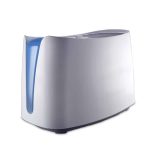
Evaporative humidifiers are one of the most common types available. They use a fan to blow air through a wet wick or filter. As the air passes through the moistened media, it absorbs moisture and releases it into the room. This design makes evaporative humidifiers self-regulating. When humidity levels rise, evaporation slows down automatically. This prevents over-humidification, making them suitable for larger spaces. However, they require regular maintenance, such as changing the wick.
Ultrasonic Humidifiers
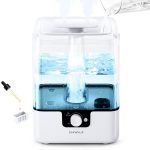
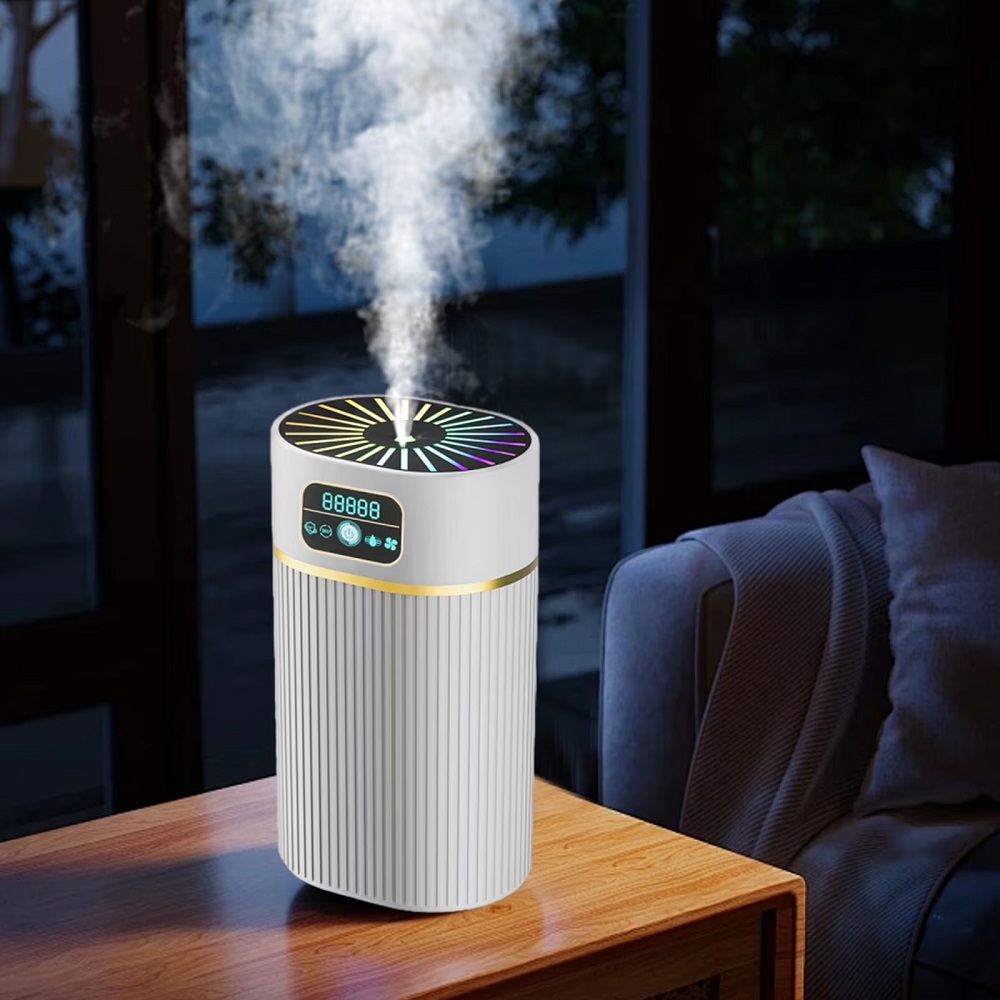
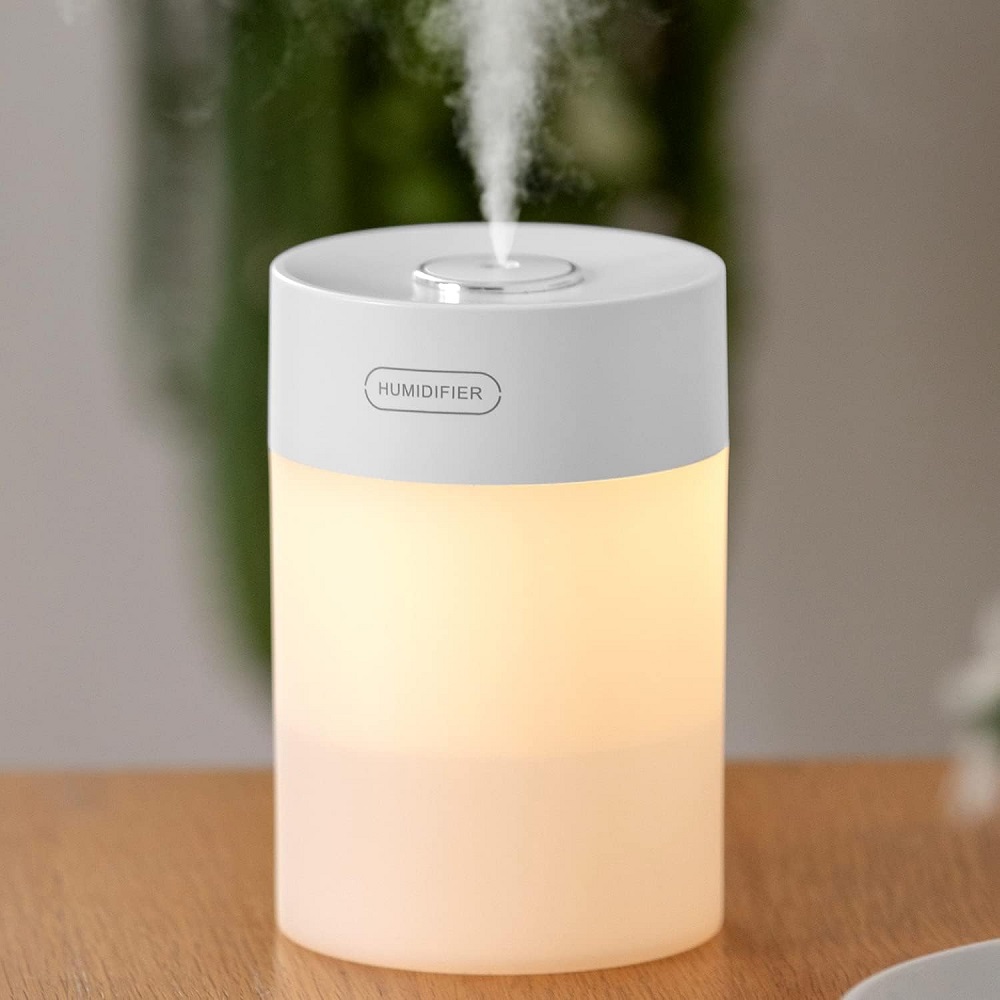
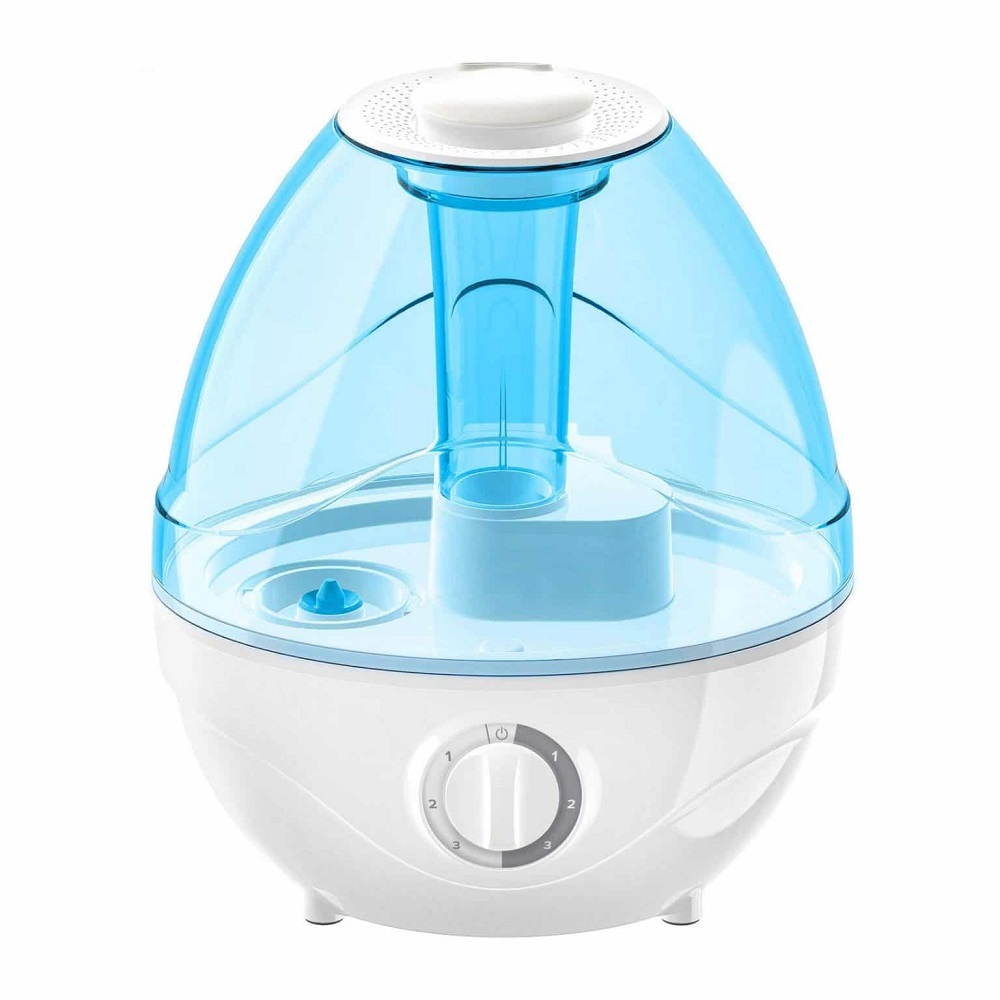
Ultrasonic humidifiers operate using high-frequency vibrations. These vibrations create a fine mist which is released into the air. Known for being quieter than other types, ultrasonic humidifiers are ideal for bedrooms and offices where noise can be an issue. Many ultrasonic models also feature adjustable mist settings, allowing for customizable humidity output. Their compact size makes them convenient for various spaces. However, like evaporative models, regular cleaning is essential to prevent bacteria growth.
Steam Vaporizers
Steam vaporizers work by boiling water to produce steam, which is then cooled slightly before being released into the air. This method effectively adds moisture while killing bacteria and viruses present in the water. Steam vaporizers can be beneficial during cold and flu seasons, as they provide relief from respiratory issues. However, they require more energy to operate and can pose a burn risk if not used properly. Users should take care when operating these devices around children and pets.
Impeller Humidifiers
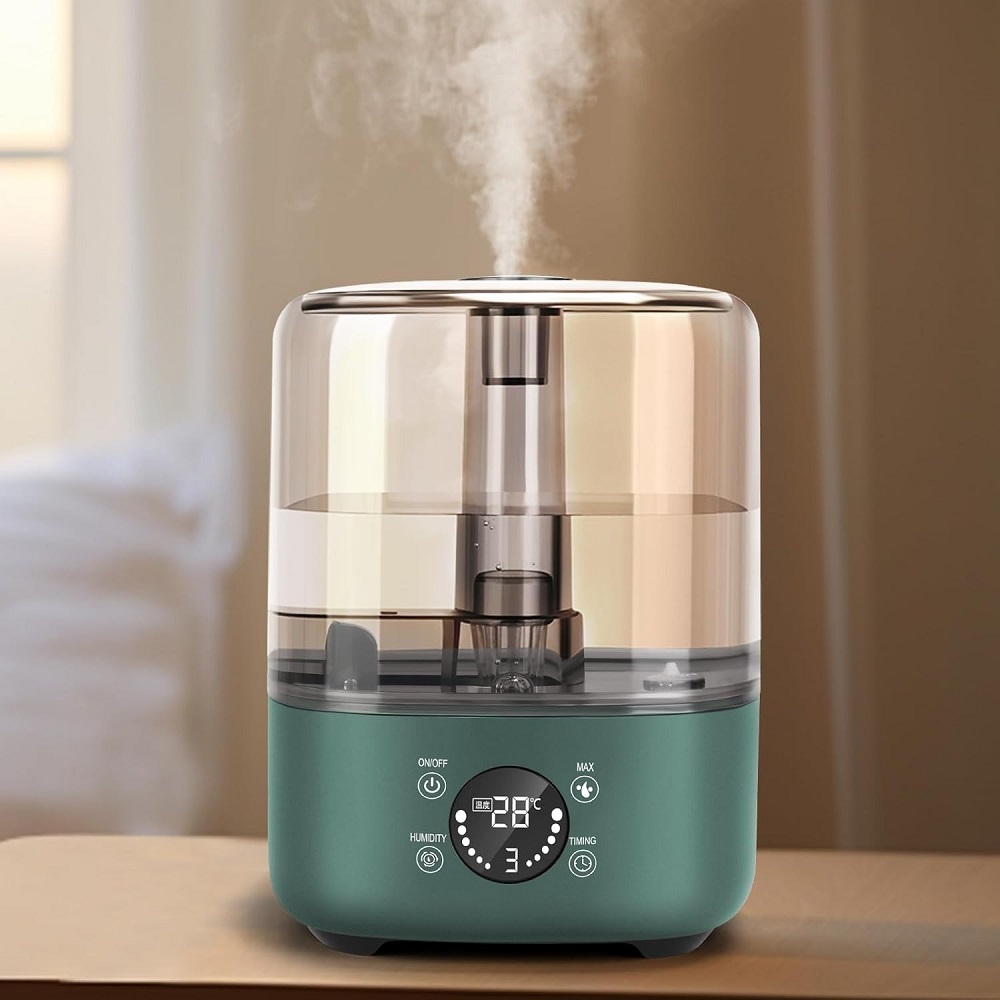
Impeller humidifiers use a rotating disk to fling water into a diffuser, which breaks the water into tiny droplets. This type distributes cool mist evenly into the air while being quieter than evaporative humidifiers. Impeller models are efficient for cooling and humidifying spaces. However, like many other types, they require cleaning to prevent mold and mineral buildup. These devices usually require less maintenance than some other options, making them appealing for families.
Central Humidifiers
Central humidifiers are designed for whole-home use, connected directly to your home’s heating and cooling system. These systems can maintain a specific humidity level throughout the entire space, ensuring consistent comfort. Central humidifiers are often more expensive than portable models but provide a high level of efficiency. They are great for larger homes, offering convenience and performance. Regular maintenance by a professional may be required to keep these systems running efficiently.
Cool Mist Humidifiers
Cool mist humidifiers are designed to release cool moisture into the air. They can be evaporative or ultrasonic, depending on the mechanism used. These types of humidifiers are particularly popular in warmer climates, as they can help lower indoor temperatures slightly. They also provide relief from dry air during hot summer months. Since they do not cause overheating, cool mist humidifiers are often preferred for children’s rooms or nurseries.
Warm Mist Humidifiers
Warm mist humidifiers, as the name suggests, release warm moisture into the air. These devices are often steam vaporizers that heat water and then disperse steam. They are beneficial during colder months, providing warmth and humidity simultaneously. Warm mist can soothe respiratory discomfort caused by colds or allergies. However, caution is needed when using these devices around children due to the risk of burns.
Benefits of Using Humidifiers
Improved Air Quality
Using types of humidifiers can greatly improve air quality. They help reduce the presence of allergens and irritants in the air, such as dust, pollen, and pet dander. When humidity levels are appropriate, these particles are less likely to circulate in the air. By maintaining optimal humidity, you create a cleaner breathing environment, which is especially beneficial for individuals with allergies or asthma.
Enhanced Comfort
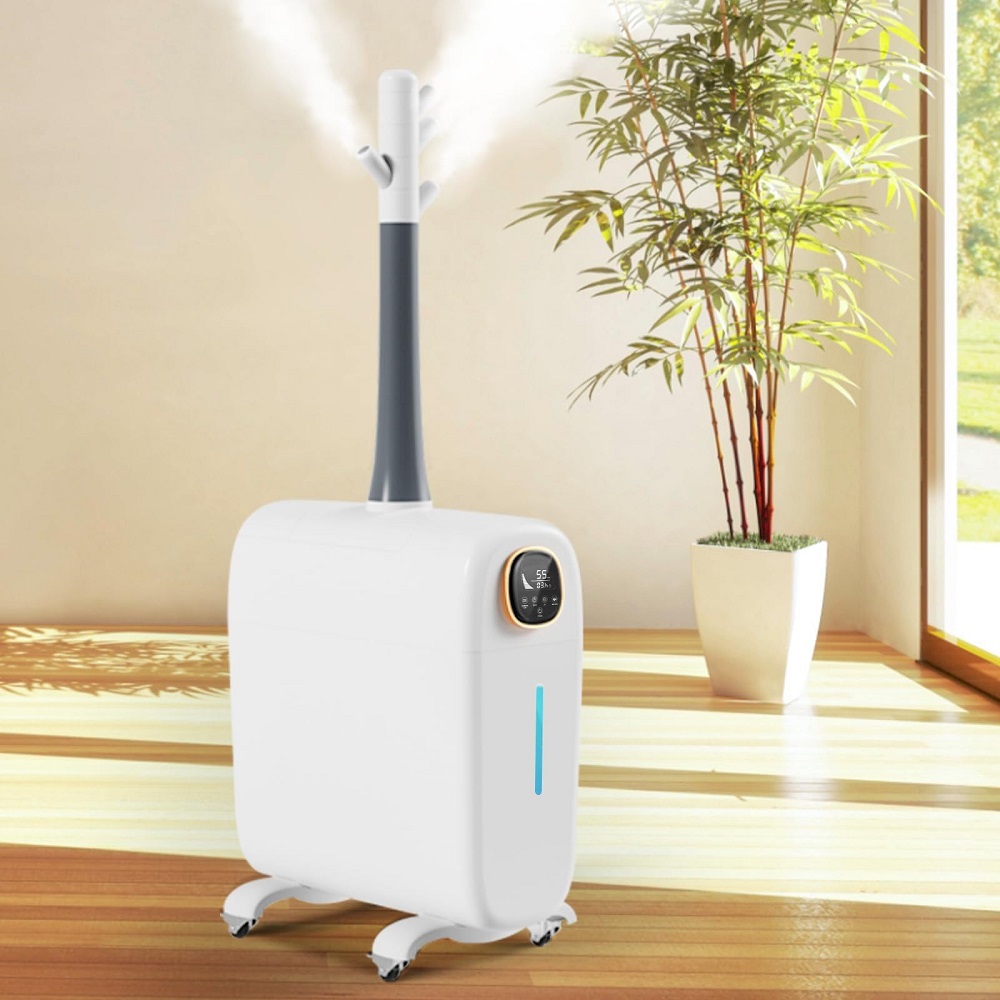
Humidifiers add moisture to the air, which can lead to enhanced comfort. When air is dry, it can cause skin irritation and discomfort. Humidifiers help alleviate these symptoms by providing the necessary moisture that keeps skin from drying out. Additionally, proper humidity can help maintain healthy hair and prevent static electricity buildup, making everyday life more enjoyable.
Health Benefits
The use of humidifiers can provide significant health benefits. They can reduce the risk of respiratory infections by keeping nasal passages and airways moist. This is particularly important during times when colds and flu are prevalent. Humidifiers can also soothe sore throats and reduce coughing during the night. Overall, maintaining proper humidity levels contributes to a healthier home environment and promotes overall well-being.
Choosing the Right Humidifier for Your Home
Evaluating Your Space
Before selecting a humidifier, take into account the size of the space where it will be used. Smaller units may be adequate for bedrooms or offices, while larger ones are better suited for living areas or basements. Most manufacturers specify the area coverage, so be sure to choose a model that can effectively humidify your room size without being overpowered.
Understanding Features
Different humidifier models come with varying features that may influence your decision. Common features include adjustable mist settings, built-in hygrometers, and automatic shut-off capabilities. Features like timers or remote controls can add convenience. Take time to compare the features of different models and choose one that fits your lifestyle and preferences.
Setting a Budget
When shopping for a humidifier, setting a budget can help narrow down your options. Prices vary widely based on brand, type, and features. While lower-priced models may seem attractive, investing in a higher-quality humidifier can yield better performance and longevity. Consider how much you are willing to spend and balance it with the features you desire. This mindful approach can lead to a more satisfying purchasing decision.
Maintenance Tips for Humidifiers
Regular Cleaning
Proper maintenance is essential for keeping your humidifier running efficiently. Regular cleaning helps prevent mold and bacteria growth, which can compromise air quality. Many models should be cleaned weekly to remove any water residues and prevent mineral buildup. Cleaning methods will depend on the model, so take time to read the manufacturer’s instructions for best results.
Water Quality
The quality of water used in your humidifier can significantly affect its performance. Using distilled or demineralized water is often recommended, as it reduces mineral buildup within the unit. Tap water can lead to hard water deposits, impacting the humidifier’s efficiency. Consider investing in a water filter if you plan to use tap water regularly. Opting for clean water sources ensures a better-quality mist.
Monitoring Humidity Levels
Tracking humidity levels in your home is crucial for successful humidification. Aim for a humidity range of 30% to 50% for optimal comfort and health. Too much humidity can lead to mold growth, while too little can cause dryness. Use a hygrometer to monitor indoor humidity levels accurately. Some modern humidifiers come equipped with built-in hygrometers that can provide real-time readings. Monitoring humidity levels enables you to make necessary adjustments to maintain a comfortable living environment.
Benefits of Professional Maintenance
Improved Performance
Professional maintenance can significantly enhance the performance of your humidifier. Certified HVAC technicians can assess your system and make necessary adjustments. They can also help identify potential issues that you might not notice. Professional servicing helps ensure that your humidifier operates at its best, enabling it to deliver fresh, clean air consistently.
Longer Lifespan
Regular professional care can extend the lifespan of your humidifier. Like any mechanical device, humidifiers require maintenance and care to function optimally. With expert servicing, you can address wear and tear before it becomes a significant problem. Taking proactive measures improves durability, allowing you to enjoy your humidifier for years.
Energy Efficiency
A well-maintained humidifier operates more efficiently, consuming less energy. Professional cleaning and servicing can help reduce energy usage by ensuring that the unit is functioning optimally. By maintaining efficiency, you not only save money on energy bills but also contribute to less environmental impact. This combination of cost savings and energy conservation offers a compelling reason to seek professional upkeep.
FAQ:
- How do evaporative humidifiers work?
- Evaporative humidifiers use a fan to blow air through a wet wick or filter, allowing water to evaporate into the air. This method naturally cools the air and is self-regulating; it will stop producing moisture when the desired humidity level is reached.
- What is the difference between ultrasonic and steam vaporizers?
- Ultrasonic humidifiers use high-frequency vibrations to produce a cool mist, while steam vaporizers boil water to create warm steam. Ultrasonic models are generally quieter and energy-efficient, while steam vaporizers can provide warmth but are usually noisier and require more maintenance.
- What are the benefits of using a humidifier?
- Benefits of using a humidifier include alleviating dry skin, reducing respiratory issues, easing allergy symptoms, and helping maintain a comfortable environment in your home. They can also reduce static electricity and protect furnishings from damage caused by dry air.
- How do I choose the right humidifier for my space?
- Choose a humidifier based on the size of the area you want to humidify, your specific needs (cool or warm mist), noise level preferences, maintenance requirements, and any additional features you may desire, such as humidistats or programmable settings.
- How often should I clean my humidifier?
- It is recommended to clean your humidifier every three days during regular use and perform a deep cleaning weekly to prevent mold and bacteria buildup. Always follow the manufacturer’s specific cleaning instructions to maintain the device’s efficiency and safety.
Conclusion
Embracing the Benefits of Humidifiers
In conclusion, humidifiers offer numerous benefits for your home environment. They improve air quality, enhance comfort, and promote overall health. Understanding the different types of humidifiers and their features helps you choose the right one for your needs. Whatever your choice may be, incorporating a humidifier into your home can lead to a healthier and more enjoyable living space.
Fostering Comfort and Well-Being
Choosing the right humidifier is crucial for fostering a comfortable atmosphere in your home. With proper maintenance and care, your humidifier can effectively improve your indoor environment. Each family or individual will have different needs, so personalizing your humidification system is key. By investing in quality products and maintaining them diligently, you will enjoy moisture levels that contribute positively to your well-being.
Encouragement to Explore Humidifier Options
I encourage readers to explore the wide range of humidifiers available today, including top-rated ultrasonic and evaporative humidifiers. Take the time to assess your needs, preferences, and budget before making a decision. Understanding the features, types, and maintenance involved will empower you to select the humidifier that best fits your home. Enjoy the many benefits that come with improved air quality and comfort through the use of types of humidifiers. Embrace this essential addition to your home and experience the positive impact on your everyday life!