Introduction to Winter Jackets
The Importance of a Good Winter Jacket
Choosing the right winter jacket is crucial for staying warm during the cold months. A good winter jacket protects against low temperatures, wind, and snow. It acts as your first line of defense against harsh weather conditions. When temperatures drop, having the right jacket can make a significant difference in your comfort and health. Quality winter jackets not only keeps you warm but also allows for freedom of movement. This combination can improve your overall winter experience.
Different Types of Winter Jackets
There are many types of winter jackets available, each designed for different activities and conditions. Some jackets are tailored for outdoor sports, while others are meant for everyday wear in urban settings. This variety can make choosing the right jacket overwhelming. Understanding the differences between styles will help you make an informed decision. Factors such as insulation type, material, and additional features will influence your choice. Recognizing what suits your lifestyle is essential in selecting the right winter jacket.
Purpose of This Article
This article aims to provide insights into choosing the perfect winter jacket for cold weather. It will explore various styles, features, and qualities to consider when making a decision. By the end of this article, readers will have the necessary knowledge to select a jacket that meets their needs. Being informed can help you stay warm, comfortable, and stylish during the colder months.
Types of Insulation
Down Insulation
Down insulation is made from the soft feathers of ducks or geese. This natural material offers excellent warmth-to-weight ratio, making it very effective for lightweight jackets. Down jackets are known for their ability to trap body heat, keeping you warm without adding bulk. They are great for extreme cold conditions but may lose insulation efficiency if wet. Many down jackets come with water-repellent shells, which can help them perform better in damp conditions. When purchasing down jackets, look for responsible sourcing to ensure ethical treatment of animals.
Synthetic Insulation
Synthetic insulation is a popular alternative to down and is often made from polyester fibers. This type is generally less expensive and is known for its moisture-wicking properties. Unlike down, synthetic insulation retains warmth even when wet. This quality makes it ideal for damp and rainy climates. Synthetic jackets often come with additional features, such as quick-drying fabrics. Many outdoor enthusiasts prefer synthetic insulation for its performance and durability. The ability to withstand varying weather conditions is a significant advantage.
Fleece Lining
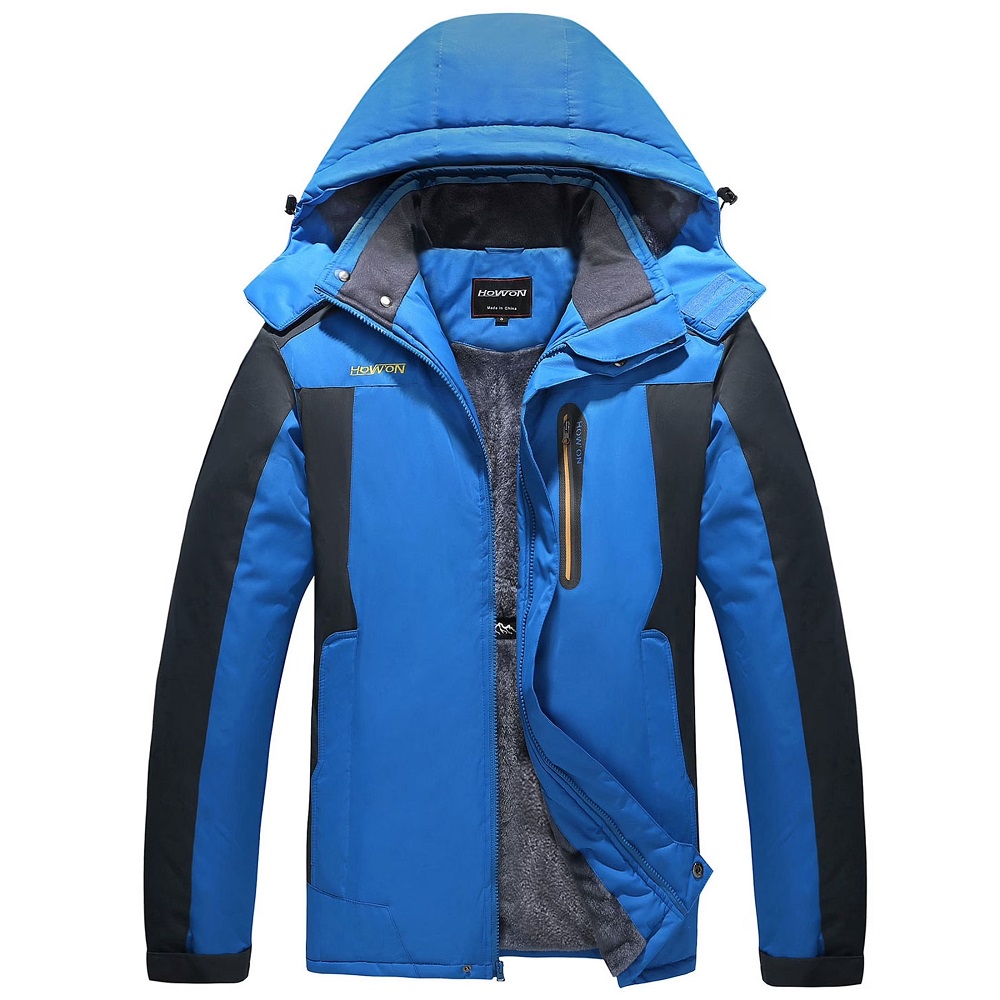
Some winter jackets feature fleece lining for added comfort and warmth. Fleece is soft and lightweight, providing insulation without the bulk of heavier materials. Jackets with fleece lining are great for layering, as they are easy to wear under heavier shells. They are suitable for milder winter weather or as liners beneath other coats. While fleece alone may not be enough for extreme cold, it effectively maintains warmth on chilly days. Look for jackets with fleece lining for a cozy feel.
Key Features to Consider
Waterproof vs. Water-Resistant
When shopping for a winter jacket, consider whether you need waterproof or water-resistant materials. Waterproof jackets are designed to keep you dry in heavy rain or snow. They typically feature sealed seams and special coatings to ensure that water does not penetrate. Water-resistant jackets, on the other hand, provide some protection against light rain but may not hold up in more severe conditions. Assess the weather conditions in your area to determine which option is more suitable for your needs.
Breathability
Breathability is another important factor to consider. Jackets that are not breathable can trap moisture inside, leading to discomfort. This can be especially problematic during physical activities like hiking or skiing. Look for jackets made with breathable materials that allow moisture to escape while providing adequate insulation. Breathable jackets often feature ventilation zippers or mesh panels, enhancing airflow. This additional comfort can make a significant difference during active use.
Fit and Comfort
The fit of the jacket is crucial for warmth and mobility. A well-fitted jacket should allow for layering without feeling restrictive. Consider your body shape and choose a style that suits your frame. Many brands offer jackets in different cuts, including fitted, relaxed, and longer lengths. If you plan to wear heavy layers underneath, opt for a slightly larger size. Comfort is essential, especially if you plan to wear the jacket for extended periods.
Popular Styles of Winter Jackets
Parkas
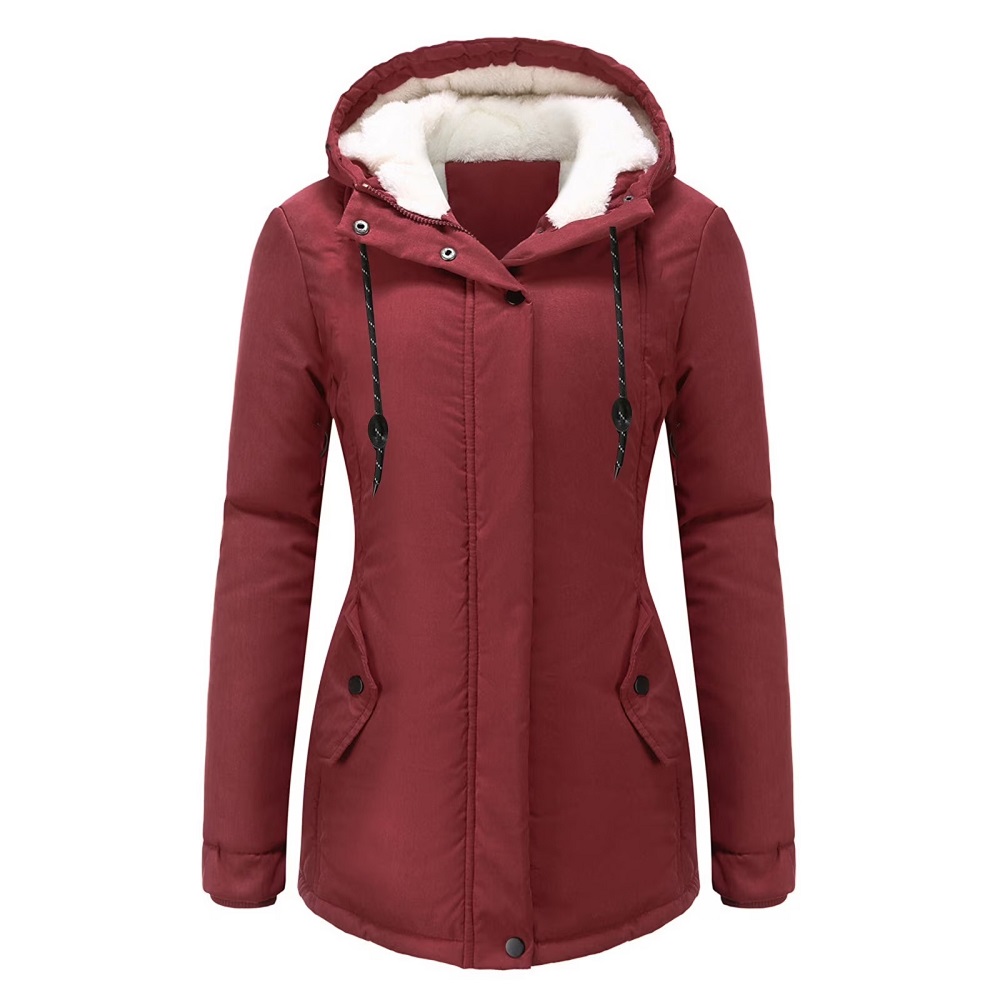
Parkas are long jackets designed to provide maximum warmth. They usually feature an insulated hood and are often lined with fleece or down for added comfort. Parkas are perfect for extreme cold conditions and are popular for winter vacations or outdoor adventures. Many styles also include external pockets for storing essentials, making them practical as well. Their longer length offers more coverage, protecting your lower body from cold winds and snow.
Puffer Jackets
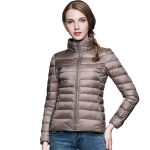
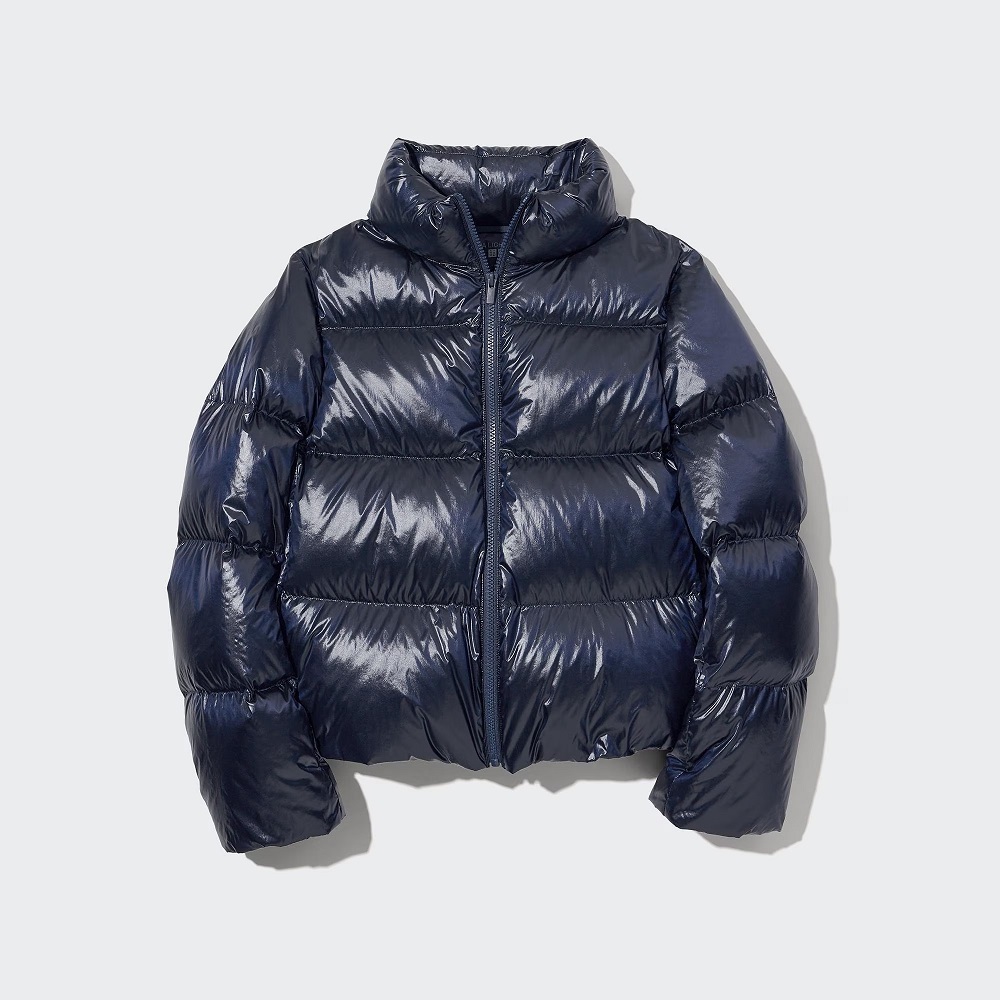
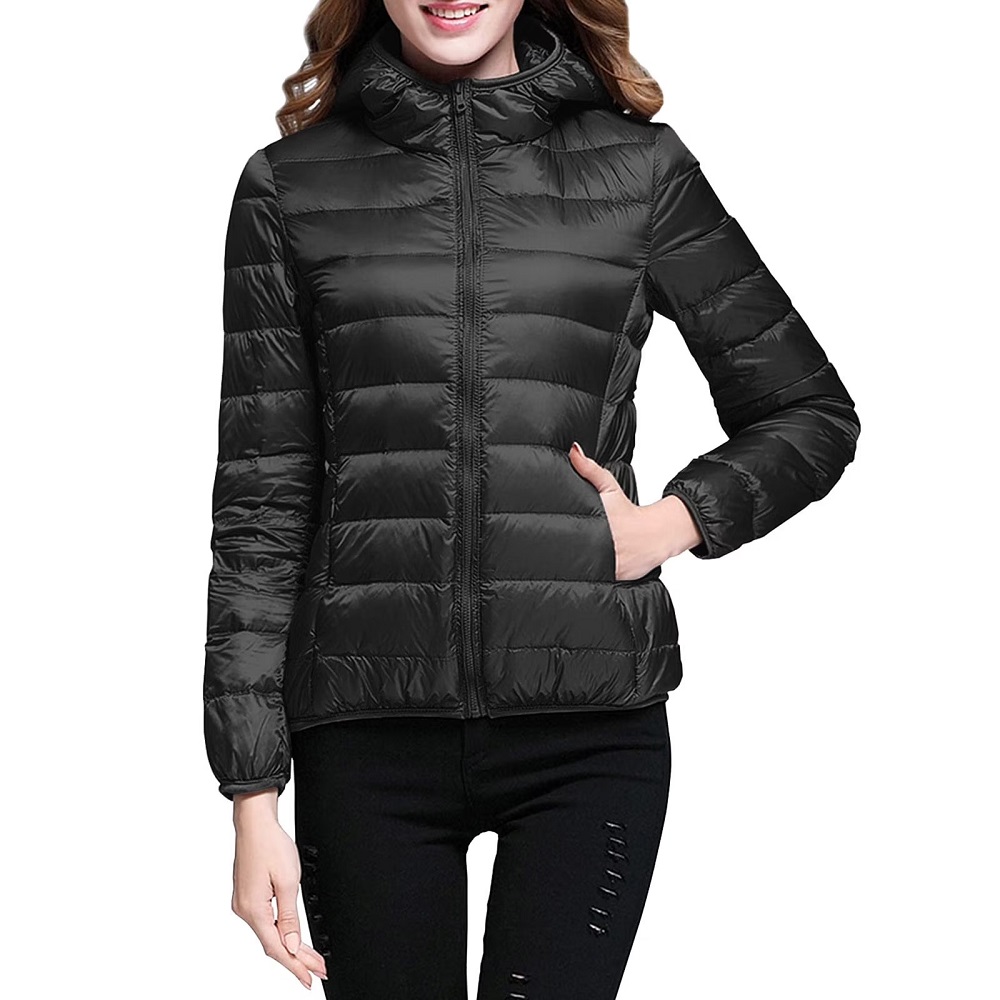
Puffer jackets are recognizable by their quilted design and filled insulation. This style is especially effective at trapping heat, making it an excellent option for cold weather. Puffer jackets come in various lengths and fits, providing options for different preferences. They are lightweight and packable, making them suitable for travelers. Many modern designs also offer stylish aesthetics, allowing wearers to stay fashionable while keeping warm.
Softshell Jackets
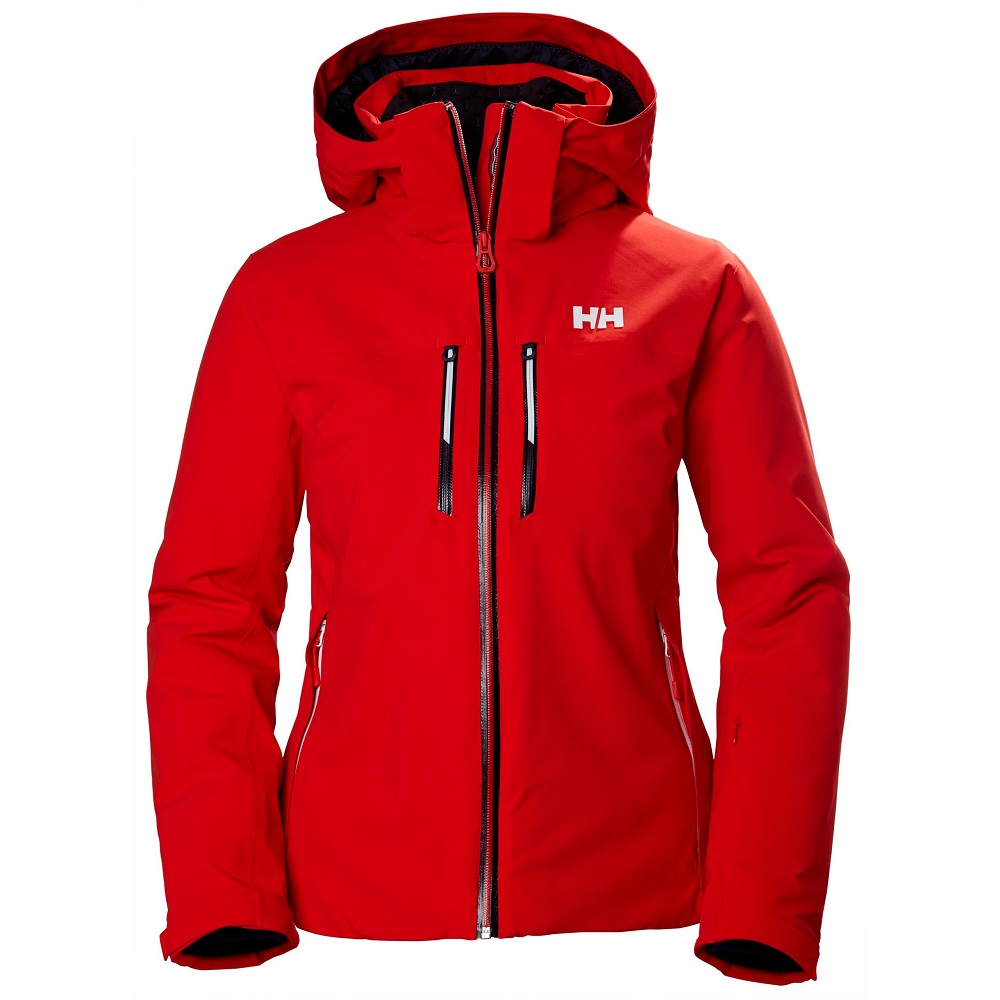
Softshell jackets are versatile options that combine comfort and protection. They typically feature water-resistant materials and offer some insulation. Softshell jackets are favored for active use because they allow for greater freedom of movement. This makes them ideal for activities like skiing, hiking, and climbing. While they may not provide as much warmth as heavier jackets, they offer excellent breathability and flexibility.
Care and Maintenance
Cleaning Your Winter Jacket
Proper care is essential for maintaining the quality of your winter jacket. Always follow the manufacturer’s cleaning instructions to avoid damaging the fabric or insulation. For most jackets, machine washing on a gentle cycle with cold water is recommended. It is advisable to use a mild detergent that won’t compromise the materials. Review the care label for specific guidelines on cleaning and drying methods, ensuring that your jacket remains in good condition.
Storing for Off-Season
When winter ends, it’s important to store your jacket properly to maintain its longevity. First, ensure that the jacket is clean before storing it away. A dirty jacket can attract pests and develop odors. Store the jacket in a cool, dry place away from direct sunlight, which can fade colors and damage materials. Use a breathable garment bag or a large storage box to protect it from dust and moisture. Proper storage ensures that your jacket is ready for use when the cold weather returns.
Addressing Repairs
If your winter jacket suffers damage, addressing repairs promptly is essential. Small tears or loose zippers can often be fixed with simple sewing techniques or fabric patches. For larger repairs or issues with insulation, consider consulting a professional. Some outdoor retailers offer repair services that can restore your jacket effectively. Keeping your jacket in good repair can extend its life and contribute to better performance over time.
Health Benefits of Wearing the Right Winter Jacket
Maintaining Body Temperature
A well-fitted winter jacket helps maintain body temperature in cold weather. Proper insulation traps heat close to the body, providing warmth without excessive bulk. This insulation helps prevent heat loss, allowing people to stay comfortable even in frigid conditions. Maintaining body temperature is important for outdoor activities, ensuring you can enjoy winter sports and adventures without discomfort.
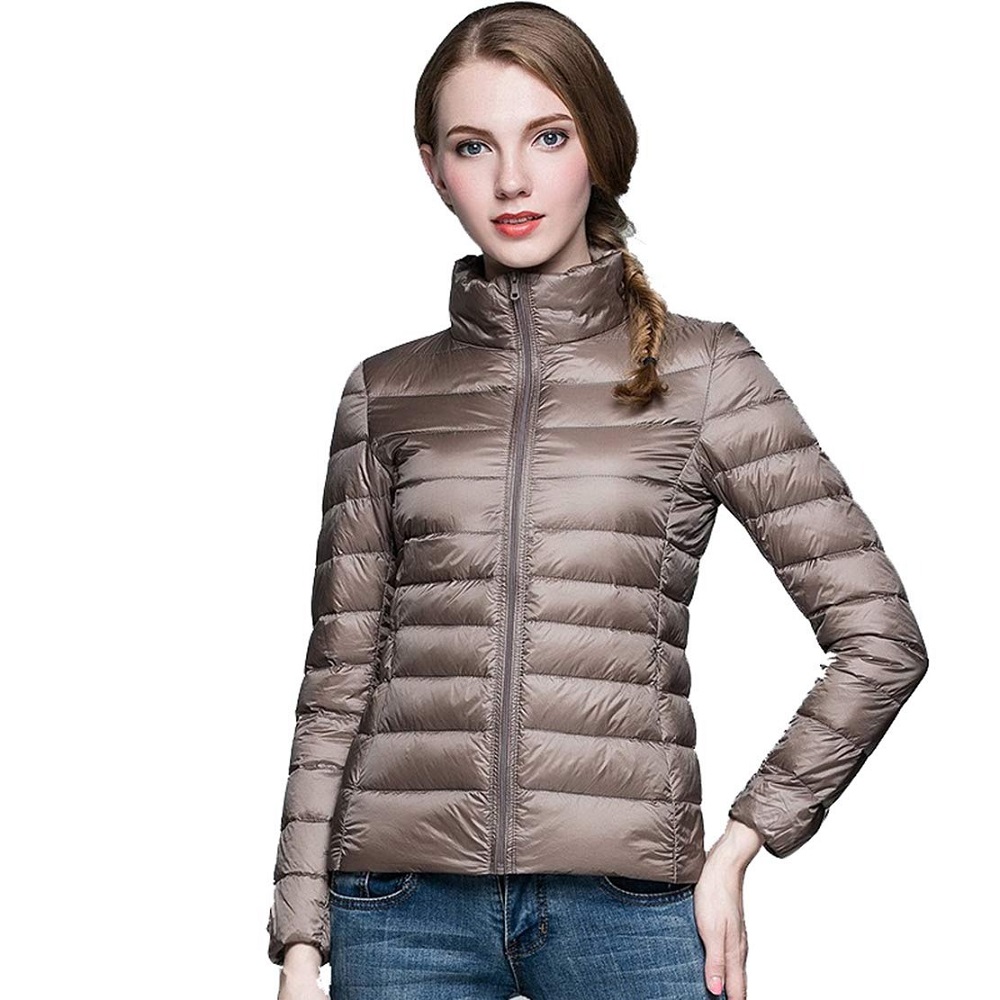
Wearing a suitable winter jacket can help prevent cold-related illnesses. Hypothermia and frostbite are serious risks when exposed to freezing temperatures without proper clothing. Insulated jackets protect against extreme conditions, keeping the body warm and reducing these risks. Ensuring that you are warmly dressed in winter can protect against health issues and ensure a safe, enjoyable experience outdoors.
Enhancing Mood and Well-Being
Staying warm in winter can positively affect mood and overall well-being. Cold weather can lead to discomfort and irritability, which may affect daily activities. A comfortable, warm jacket can help improve your overall experience outdoors. Feeling good in your clothing can enhance your enjoyment of outdoor activities during winter.
FAQ:
- How do I choose the right insulation for my winter jacket?
- Insulation options typically include natural down and synthetic materials. Down insulation offers excellent warmth-to-weight ratio but may not perform well when wet. Synthetic materials are less expensive, dry faster, and retain warmth even when damp. Consider your typical weather conditions and activities when deciding.
- What features should I look for in a winter jacket?
- Important features include water resistance or waterproofing, windproofing, adjustable hoods, pockets for convenience, insulation type, and breathability. Additional considerations might include packability and compatibility with layering for cold weather activities.
- How do I determine the right size for a winter jacket?
- To determine the right size, consult the brand’s sizing chart and consider your body measurements for chest, waist, and hips. It’s also wise to account for layering underneath. Ensure there’s enough room for comfortable movement, without being excessively loose.
- Are winter jackets machine washable?
- Most winter jackets are machine washable, but it’s essential to check the care label for specific instructions. Generally, use cold water on a gentle cycle, and air dry or tumble dry on low with dryer balls to maintain insulation loft and prevent clumping.
- How should I layer under my winter jacket?
- When layering under a winter jacket, choose moisture-wicking base layers to keep sweat away from your skin, followed by insulating mid-layers (like fleece or down vests) for warmth. Shell layers, like your winter jacket, will protect against wind and precipitation.
Conclusion
The Value of Quality Winter Jackets
In conclusion, selecting the right winter jacket is vital for personal comfort and health during cold weather. Understanding the various types of jackets available enables consumers to make informed decisions based on their needs and preferences. Features such as insulation material, fit, and breathability all play essential roles in finding a suitable jacket.
Embracing Winter with Confidence
Choosing a high-quality winter jacket allows you to embrace the season with confidence. A well-chosen jacket will provide the warmth and protection needed for outdoor activities. It also enhances the enjoyment of daily life during colder months. By taking care of your winter jackets and paying attention to maintenance, you can ensure that it lasts for many winters to come.
Encouragement to Explore the Options
I encourage readers to explore the various options available in the winter jacket market, including the best winter jackets for extreme cold. Take the time to assess your needs, preferences, and budgets to find the perfect fit for your lifestyle. Investing in a reliable winter jacket is a step toward comfort and protection throughout the colder months. With the right jacket, you can enjoy every snow-filled adventure and stay warm while looking stylish!