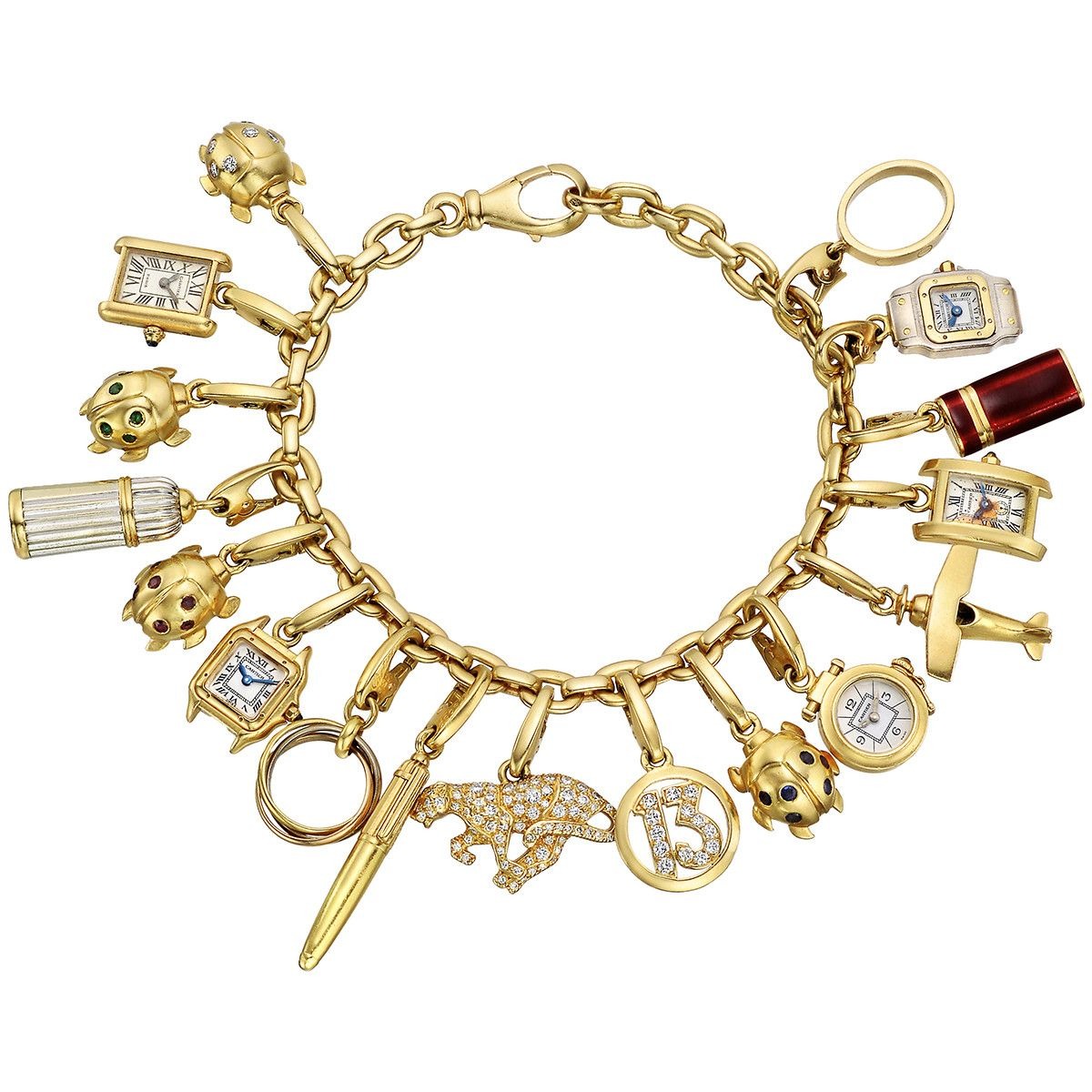
Vintage charm bracelets have captivated jewelry lovers for generations. These delicate pieces combine beauty with personal meaning. Each charm tells a story. Together, they form a wearable timeline of memories, milestones, and passions.
Collectors and fashion enthusiasts alike are drawn to their nostalgic elegance. Unlike modern mass-produced accessories, vintage charm bracelets carry history. They reflect the eras they come from—whether Art Deco, Mid-Century Modern, or the free-spirited 1970s. Their enduring charm lies in both craftsmanship and emotional depth.
 What Defines a Vintage Charm Bracelet
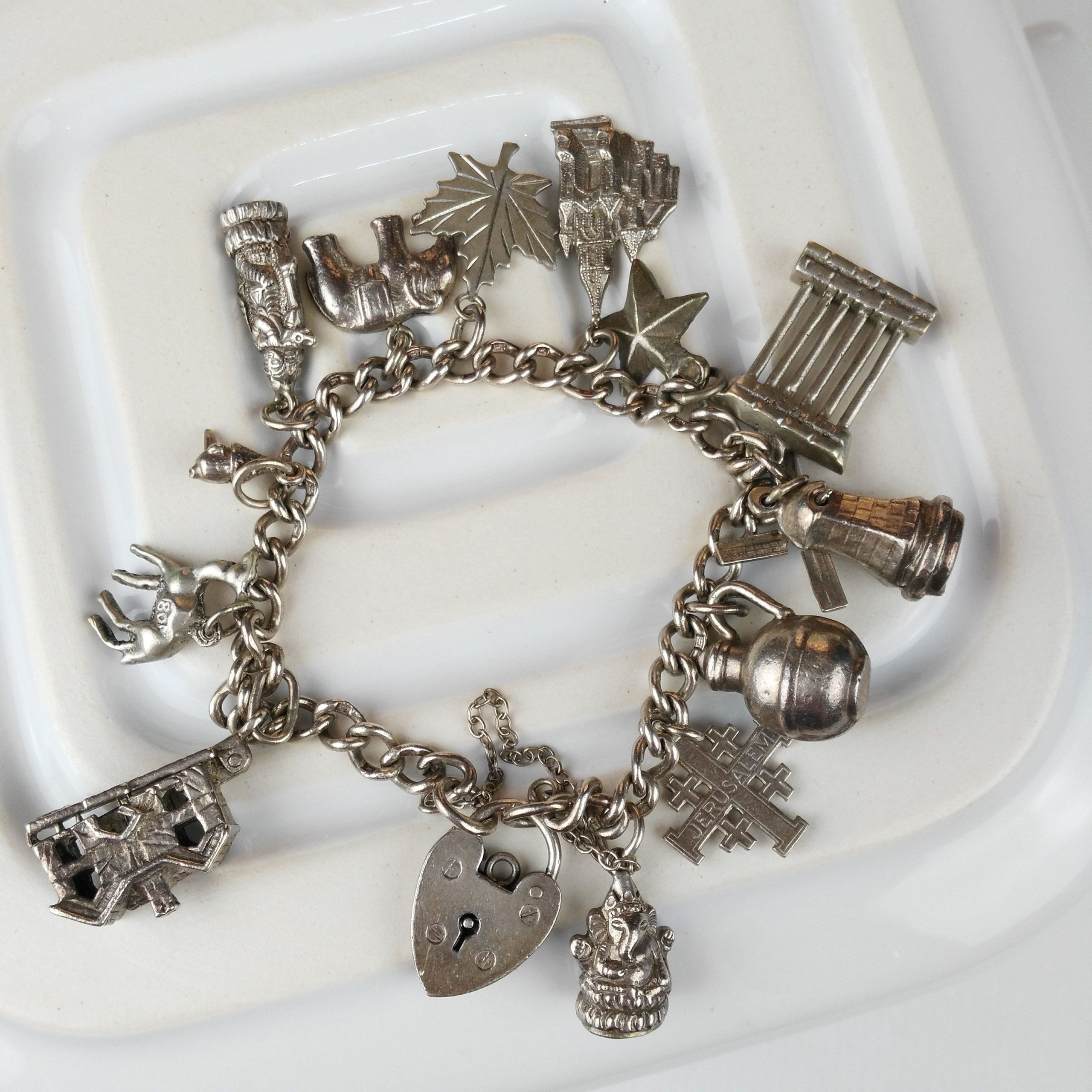
A vintage charm bracelet is typically at least 20 to 30 years old. Most date from the early 1900s through the 1980s. These bracelets feature a chain or link system that holds small decorative charms.
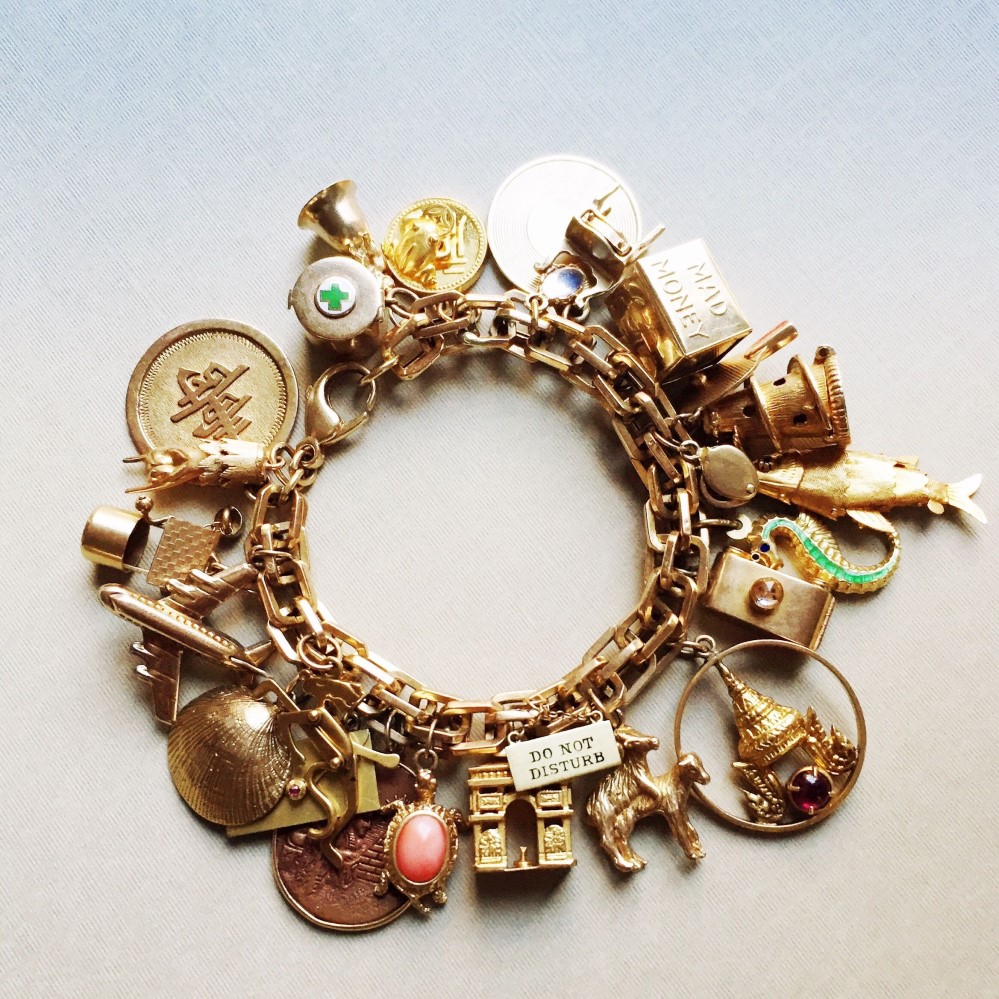
Each piece was often acquired over time. Charms marked birthdays, graduations, travels, or family events. This slow accumulation gives them authenticity. They were not bought all at once but collected with purpose.
Design Elements That Stand Out
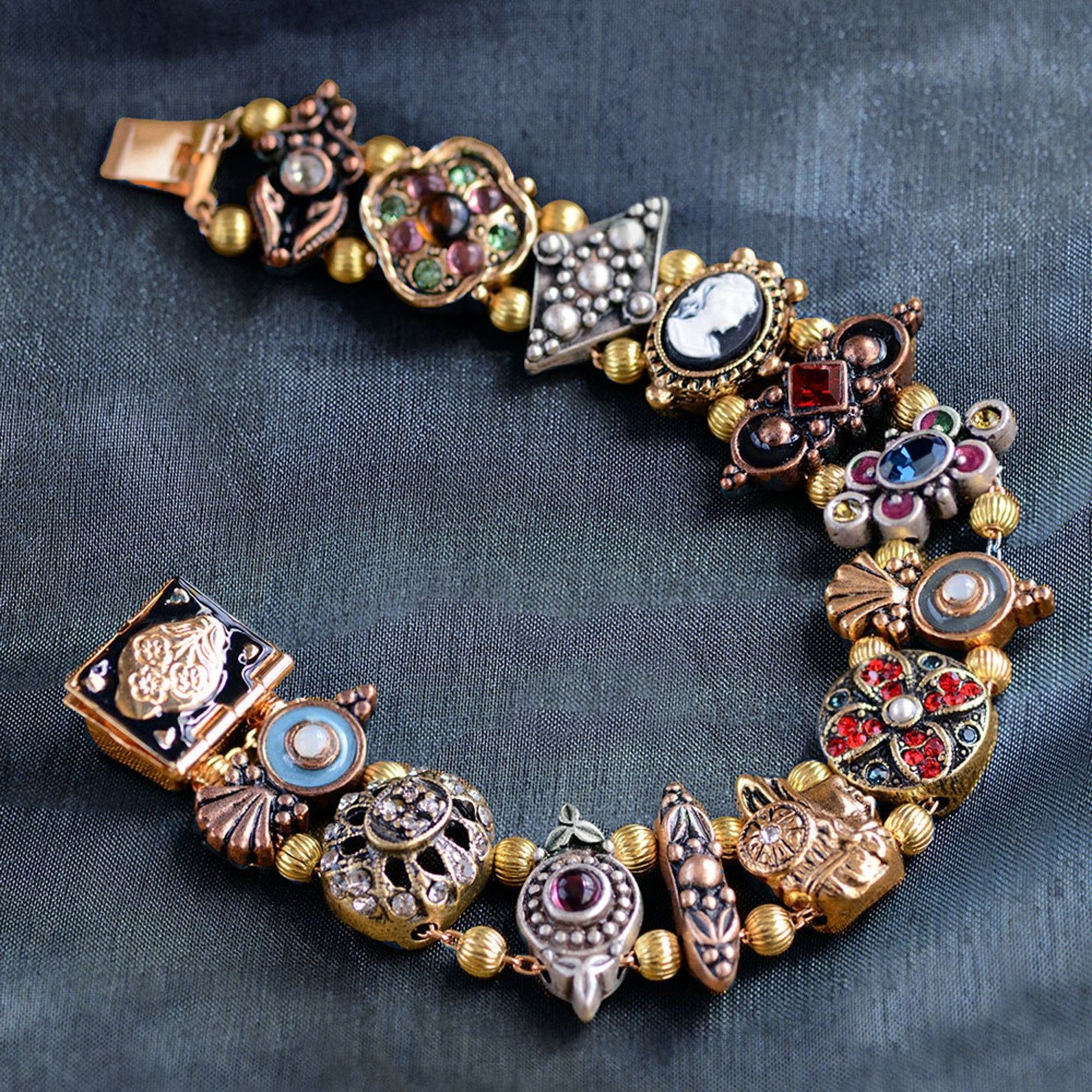
Vintage charm bracelets showcase intricate details. Many charms are handcrafted with fine engraving. Materials include sterling silver, gold, enamel, and even semi-precious stones.
The clasps themselves can be works of art. Lobster clasps, spring rings, and barrel closures were common. Some feature safety chains for added security. These functional parts also add to the aesthetic appeal.
Why Age Matters
True vintage pieces predate modern manufacturing techniques. Factories today use molds and machines. Older pieces were often made by hand or in small workshops. This gives them unique imperfections.
These slight variations prove authenticity. No two vintage charm bracelets are exactly alike. Scratches, discoloration, or worn edges speak of real use. They are not flaws but signs of a life well-lived.
 Popular Eras and Their Influence on Bracelets
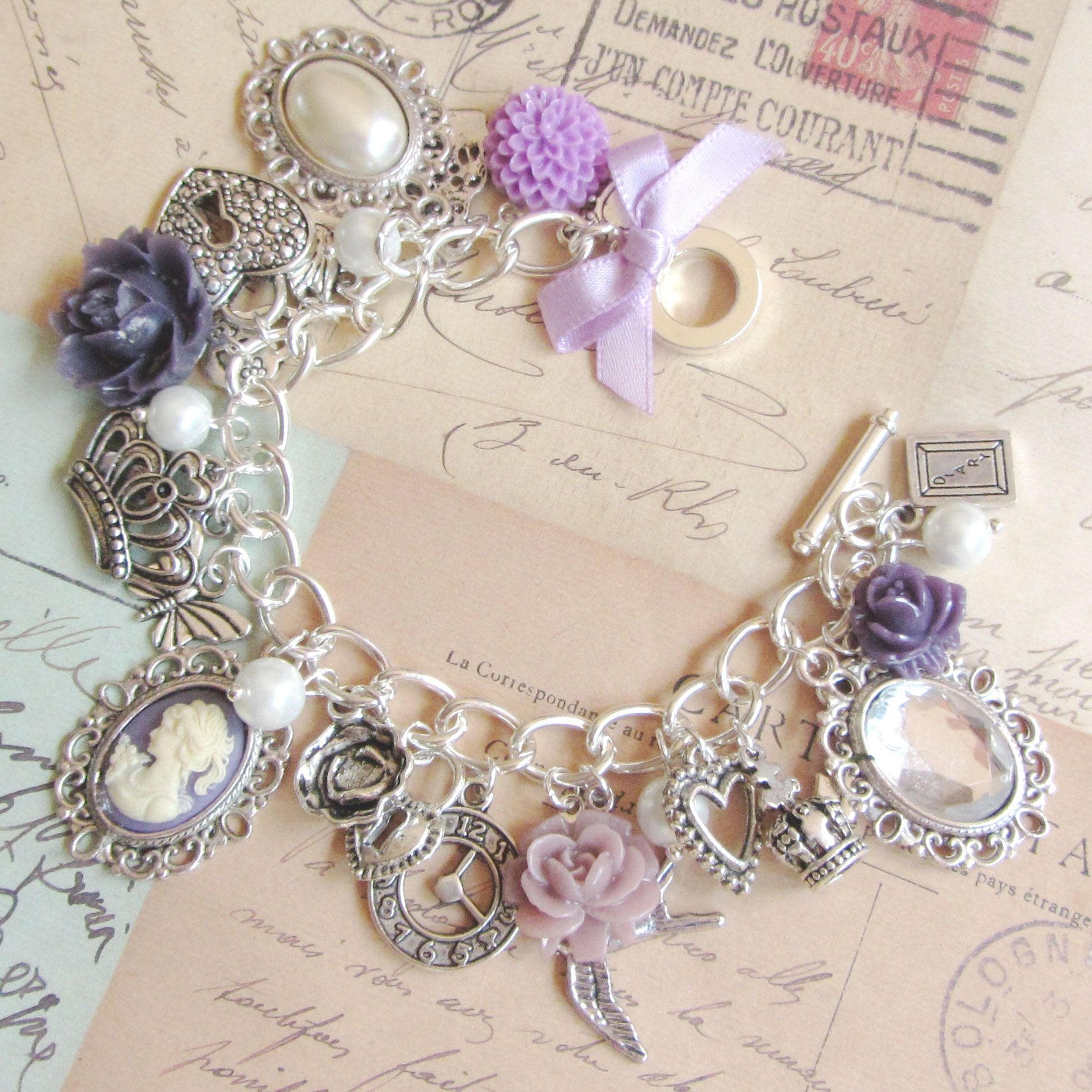
Different decades brought distinct styles to vintage charm bracelets. The 1920s introduced delicate filigree work and geometric shapes. These reflected the Art Deco movement’s love of symmetry and luxury.
In the 1940s and 1950s, charm bracelets became more accessible. Post-war prosperity allowed middle-class women to collect them. Themes included travel, hobbies, and domestic life. Tiny charms shaped like cameras, cars, and teacups grew popular.
Mid-Century Trends (1950s–1960s)
This era saw the golden age of charm collecting. Department stores sold individual charms. Women would buy one for each occasion. Birthdays, anniversaries, and vacations inspired new additions.
Bracelets often featured playful symbols. Animals, musical notes, and sports equipment were common. Enamel accents added color and whimsy. Gold-plated links gave a luxurious feel without high cost.
The 1970s and Bohemian Flair
The 1970s embraced natural materials and global influences. Leather cords replaced metal chains in some designs. Charms took on earthy shapes—feathers, moons, and peace signs.
Cultural exploration inspired new themes. Egyptian eyes, Native American motifs, and zodiac symbols appeared. These vintage charm bracelets reflected a desire for freedom and self-expression.
How to Identify Authentic Bracelets
Telling real vintage charm bracelets apart from reproductions takes attention to detail. First, check for hallmarks. Many older pieces have stamps indicating metal purity. Look for “925” for silver or “14K” for gold.
Second, examine the wear patterns. Genuine vintage items show consistent aging. Polishing should not look too perfect. Over-cleaning removes historical value.
Construction Clues
Older bracelets often have handmade jump rings. These connect the charms to the chain. Machine-made rings are uniform. Hand-formed ones vary slightly in size and shape.
Also, observe how the charms move. Authentic pieces swing freely. Stiff or glued-on charms suggest modern assembly. Movement adds life to the design.
Packaging and Provenance
Some vintage charm bracelets come with original boxes or tags. These increase value and verify age. Family stories or dated inscriptions help confirm origin.
Ask sellers about history when possible. Reputable dealers provide background. Estate sales and antique shops often have better documentation than online marketplaces.
 Styling Bracelets for Modern Wear
One of the joys of owning vintage charm bracelets is wearing them today. They pair beautifully with both casual and formal outfits. The key is balance. Let the bracelet stand out without overwhelming your look.
Wear it with solid colors. Avoid busy patterns that compete for attention. A simple blouse or dress lets each charm shine. Rolled sleeves show off wrist details.
Layering with Contemporary Jewelry
You can mix vintage charm bracelets with modern pieces. Try stacking them with plain bangles or leather bands. This creates contrast between old and new.
Use similar metals to maintain harmony. Pair silver charms with other silver accessories. Gold-toned pieces work best together. Mismatched metals can clash unless styled intentionally.
Occasion-Based Styling
For everyday wear, choose lighter vintage charm bracelets. Smaller charms make less noise and snag less easily. They suit office environments and errands.
At weddings or parties, go bold. Larger or more ornate bracelets draw admiration. Coordinate with your outfit’s theme. A red dress pairs well with ruby-accented charms. Match the mood with thoughtful selections.
Caring for Your Bracelets
Proper care keeps vintage charm bracelets beautiful for years. First, clean gently. Use a soft cloth to wipe away oils and dust. Never soak them in liquid cleaners. Moisture damages metal and weakens links.
Avoid exposing the bracelet to perfumes, lotions, or chlorine. Apply cosmetics before putting it on. This prevents chemical buildup that dulls the finish.
Storage Tips
Store each vintage charm bracelet separately. Place it in a fabric-lined box or soft pouch. This prevents scratches from harder jewelry.
Lay it flat or hang it if possible. Coiling may cause kinks in the chain. Keep it away from direct sunlight. UV rays can fade enamel and weaken materials over time.
Handling Repairs
If a charm falls off or a clasp breaks, seek a professional. Jewelers experienced in antique repair can fix issues without harming the piece.
Do not attempt DIY fixes with glue or pliers. These often cause permanent damage. Preserve original parts whenever possible. Replacement pieces should match in style and material.
Emotional and Sentimental Value
Beyond beauty, vintage charm bracelets hold deep emotional meaning. Many are passed down through families. A grandmother’s bracelet becomes a daughter’s treasure. Each charm connects generations.
Some pieces survive wars, migrations, or personal hardships. They symbolize resilience and continuity. Wearing one feels like carrying a loved one close.
Storytelling Through Charms
Every charm represents a moment. A tiny airplane might mark a first flight. A heart could celebrate an anniversary. Even abstract shapes may have private significance.
People often inherit incomplete sets. Adding one new charm honors the past while continuing the story. This blend of memory and creation makes vintage charm bracelets deeply personal.
Gifts That Last
Giving a vintage charm bracelet is a powerful gesture. It shows thoughtfulness and appreciation. The recipient knows it carries history.
Even adding a single charm to an existing bracelet strengthens bonds. Parents give them to mark graduations. Friends exchange them after trips. These acts build lasting connections.
 Frequently Asked Questions
How do I know if my vintage charm bracelet is valuable?
Value depends on age, material, brand, and condition. Sterling silver or gold pieces are worth more. Brands like Tiffany & Co., Gorham, or Miriam Haskell increase worth.
Rare charms also boost value. Limited editions or discontinued designs attract collectors. Research similar items online. Compare prices from trusted antique sources.
Can I add new charms to a vintage charm bracelet?
Yes, you can add modern charms carefully. Choose ones that match the style and era. Avoid plastic or overly bright pieces. Stick to metal, enamel, or stone.
Ensure the jump rings are secure. Use tools designed for jewelry repair. Too many new charms may reduce authenticity. Balance preservation with personalization.
Are vintage charm bracelets only for women?
No, these bracelets are for anyone who loves storytelling through jewelry. Men wore charm bracelets in the mid-20th century too. Military personnel used them during wartime.
Today, unisex styles are rising in popularity. Leather bands with symbolic charms appeal to all genders. Interest grows as fashion becomes more inclusive.
Should I clean my vintage charm bracelet at home?
Light cleaning is safe. Use a dry or slightly damp soft cloth. Gently rub tarnished areas. Never use dips, ultrasonic cleaners, or baking soda.
For heavy tarnish or damaged parts, consult a jeweler. Professionals clean without removing patina. They preserve the piece’s character and integrity.
Where can I find authentic vintage charm bracelets?
Estate sales, antique shops, and thrift stores are great places. Online marketplaces like Etsy or eBay offer wide selections. Always read descriptions carefully.
Look for clear photos and detailed histories. Ask sellers questions before buying. Join collector groups for advice and leads. Patience often leads to the best finds.
 Conclusion
Vintage charm bracelets remain timeless treasures in the world of jewelry. They combine artistry, history, and emotion in one delicate piece. Each charm adds meaning. Every bracelet tells a unique story.
From identifying authentic finds to styling them today, these accessories offer endless possibilities. Whether inherited or newly discovered, they connect us to the past. As long as people value memory and beauty, vintage charm bracelets will continue to inspire.