What is a Merle Coat Pattern?
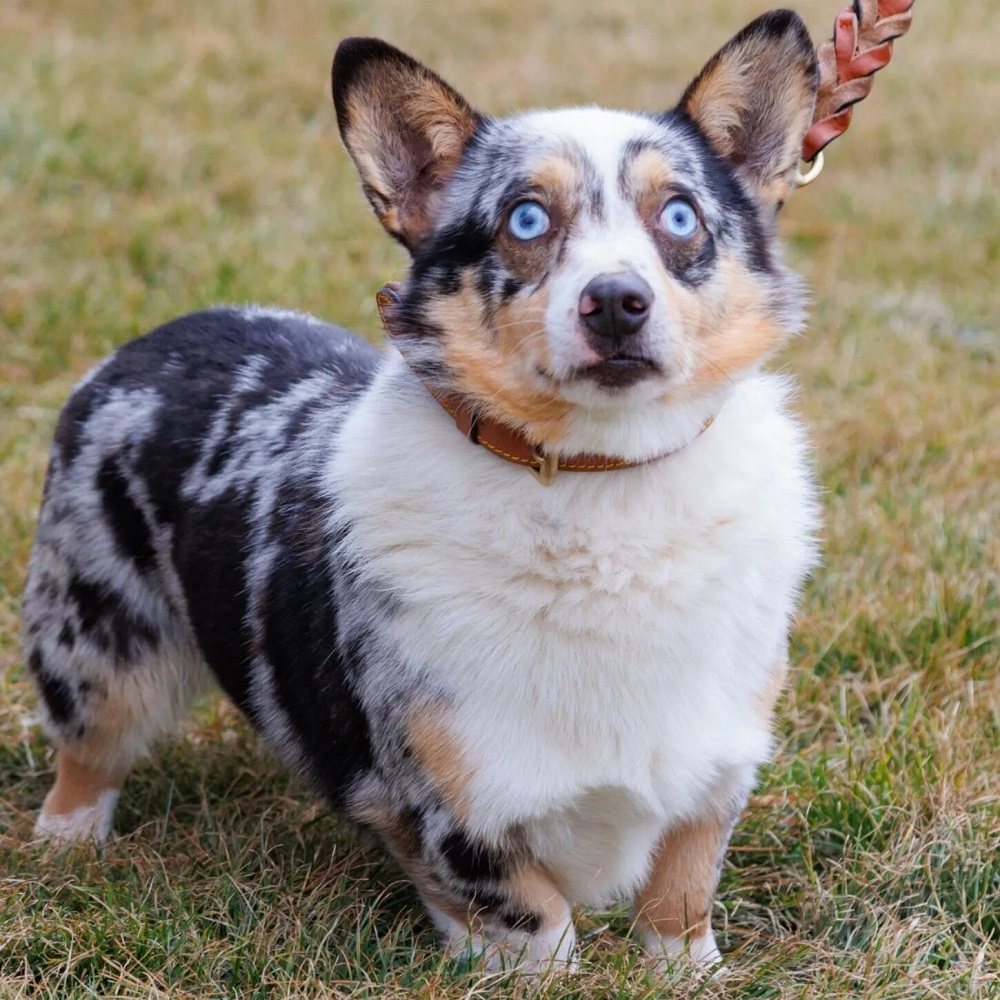
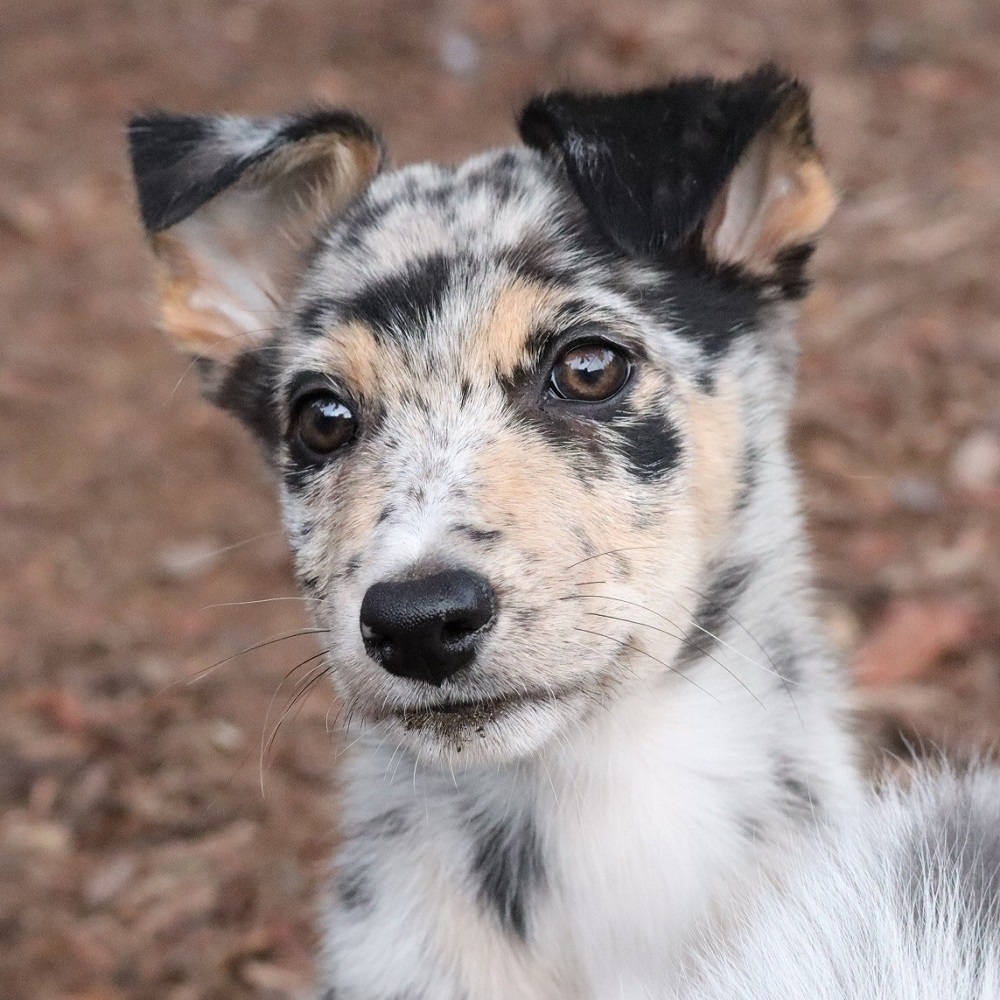
The merle coat pattern is unique and eye-catching in dogs. It creates a mottled or patchy appearance on the dog’s coat. This pattern usually combines lighter and darker shades of color. It gives a marbled or speckled effect, making merle dogs visually distinct.
Definition and Appearance of Merle
Merle refers to a genetic pattern in a dog’s coat. It can affect skin color and pigmentation in the eyes. Dogs with a merle coat have irregular patches of diluted and solid colors. The lighter spots often break up the darker base coat, creating the marbled look. The pattern can also influence the dog’s eye color, often resulting in blue or partially blue eyes.
Types of Merle Patterns (Blue Merle, Red Merle, etc.)
There are different versions of the merle coat based on the base color:
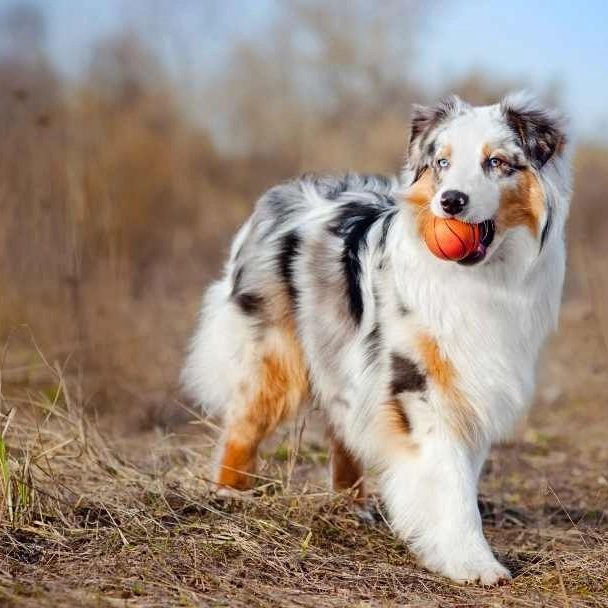
- Blue Merle: Features a grayish-blue base with black spots or markings. It is common in breeds like Australian Shepherds.
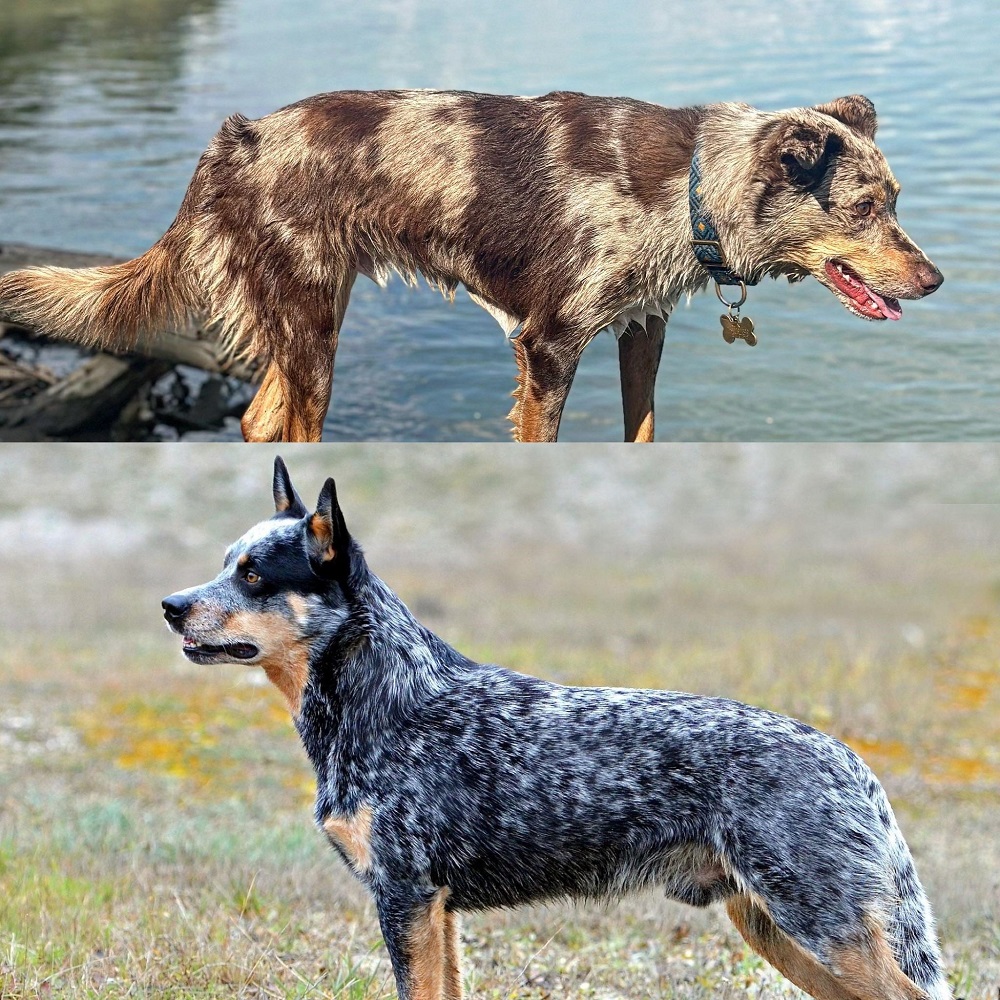
- Red Merle: Shows a lighter red or liver base with darker red or brown markings. This type is striking and appealing to many dog lovers.
- Cryptic Merle: The merle pattern might be subtle or nearly invisible. These dogs might not appear merle at first glance.
Each type of merle is beautiful in its way. However, combining two merle-coated dogs for breeding should be done carefully due to health risks.
Genetics Behind the Coat Pattern
Understanding the genetics of the merle coat pattern is essential for breeders and dog enthusiasts. The merle coat pattern originates from specific genetic factors, influencing both appearance and health.
The Merle Gene and Its Function
The merle gene is responsible for the unique coat pattern in dogs. It modifies the pigment in a dog’s coat, resulting in a marbled or speckled look. This gene dilutes random sections of the coat color, creating lighter patches.
Additionally, the merle gene can affect more than just coat pigment. It can influence eye color and sometimes even skin pigmentation. For instance, dogs with the merle gene may have blue eyes or one blue and one brown eye.
The merle gene is a dominant gene. This means a dog needs only one copy of the gene from a parent to exhibit the coat pattern. However, the gene’s action on appearance can vary, creating wide variations in coat and eye expression.
Inheritance of Merle Coat Patterns in Breeds
The merle coat pattern is passed down genetically. A dog inherits the pattern when one or both parents carry the merle gene. If one parent has the gene, offspring may display the merle pattern, depending on genetic combinations.
Breeding two merle-patterned dogs, however, can result in a double merle. Double merles inherit two copies of the merle gene. This can cause extreme health issues, including hearing and vision impairments.
The inheritance of merle patterns also varies among dog breeds. For example, Australian Shepherds, Shetland Sheepdogs, and Catahoula Leopard Dogs commonly exhibit merle traits. Depending on the breed, the pattern’s intensity and visibility may differ significantly.
Understanding the genetics behind the merle coat aids in better breeding practices. It also helps in managing the health risks associated with the pattern.
Dog Breeds with Coats
Merle coat patterns are common in several dog breeds. These patterns make them visually unique and appealing. From Australian Shepherds to Dachshunds, many breeds showcase the beauty of merle coats.
Popular Breeds with Merle Coat Patterns
Several dog breeds are known for their merle coat patterns. Here are some popular ones:
- Australian Shepherds: This breed frequently displays stunning blue merle and red merle patterns. They are one of the most recognizable merle-coated breeds.
- Border Collies: Merle patterns in Border Collies enhance their striking appearance. Blue and red merle are most common.
- Dachshunds: Merle-coated Dachshunds, often called dapple, are loved for their smaller frame and unique coats.
- Catahoula Leopard Dogs: Known for their diverse coat colors, Catahoulas often exhibit cryptic and vibrant merle patterns.
- Cardigan Welsh Corgis: This breed occasionally showcases blue merle coats, often combined with white markings.
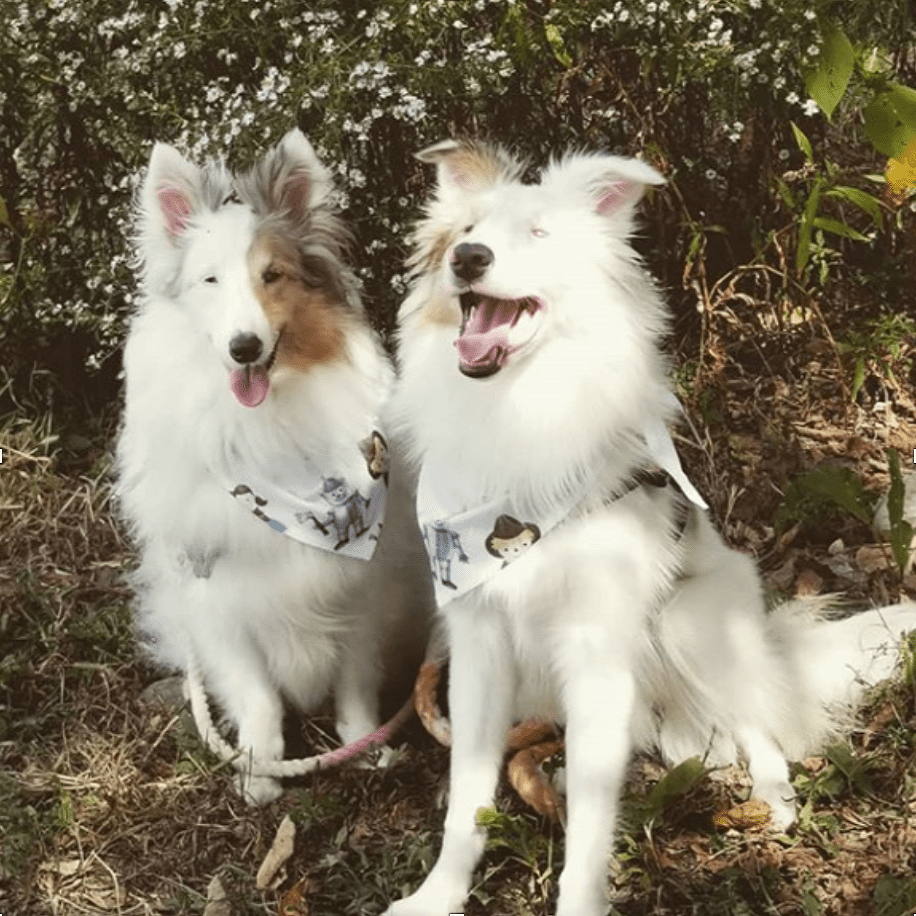
- Shetland Sheepdogs: Blue merle patterns in Shelties complement their majestic look.
Each breed displays merle patterns differently, adding to their individuality and charm.
Differences in Merle Expression Among Breeds
How merle appears varies greatly among breeds. Factors like the base coat color and genetic makeup influence this:
- Intensity of the Pattern: Some breeds may show bold, larger patches, while others show finely speckled designs. For example, Australian Shepherds often have a more pronounced merle pattern compared to Dachshunds.
- Cryptic Merle: In breeds like Border Collies or Catahoula Leopard Dogs, cryptic merle can occur. This subtle pattern may not be easily visible.
- Eye Color Influence: Merle patterns often create unique eye color expressions. Some breeds display blue or partially blue eyes due to merle genetics.
- Coat Texture: Different coat textures can influence the appearance of merle. Long-haired breeds might show a softer marbled look compared to short-haired breeds.
Understanding these differences helps identify merle traits in specific breeds. It also highlights the genetic diversity within merle-coated dogs.
Health Concerns Associated with Coats
Merle-coated dogs are beautiful but may face specific health challenges. These concerns often relate to their unique genetics. Responsible breeding and proper care can reduce such risks.
Potential Risks of Double Merle Gene
Breeding two merle-coated dogs can result in a double merle. Double merle dogs inherit two copies of the merle gene. This genetic combination significantly increases the risk of severe health problems.
Common issues faced by double merle dogs include:
- Hearing Problems: Many double merles are born deaf in one or both ears. This is due to a lack of proper ear development caused by the gene combination.
- Vision Impairments: Cataracts, reduced eyesight, or complete blindness are common in double merles. Structural eye deformities can also occur.
- Sensitive Skin: Double merles may have increased skin sensitivity due to reduced pigmentation, leading to a higher risk of sunburn or skin damage.
Responsible breeding practices prioritize avoiding this gene pairing. Breeders must carefully select mates to prevent producing double merles.
Hearing and Vision Issues Related to Merle Coats
Even single merle-coated dogs can develop hearing or vision problems. These are due to the gene’s impact on pigmentation and development.
- Hearing Loss: Merle genetics may reduce or eliminate pigment cells in the inner ear. This can cause partial or complete deafness.
- Vision Problems: Irregular pigmentation in the eyes sometimes leads to vision defects. Ghosting, poor night vision, or even blindness can occur.
- Eye Disorders: Dogs with merle coats may be prone to colobomas or microphthalmia. These conditions affect the shape and functionality of the eyes.
Regular veterinary check-ups are essential to manage these conditions. Special care and monitoring help ensure the quality of life for merle-coated dogs.
Caring for Dogs with Coats
Merle-coated dogs require special care to ensure their health and well-being. Their striking coats and unique genetics come with specific needs. Paying attention to grooming and health monitoring is essential for these beautiful pets.
Grooming Requirements for Merle-Coated Dogs
Proper grooming is necessary to maintain the beauty of merle coats. Here’s how you can care for them:
- Brush Regularly: Brush their coat at least twice a week to prevent tangles and matting.
- Bathe Occasionally: Use mild dog shampoo to keep their skin healthy without stripping natural oils.
- Trim Nails: Trim their nails every few weeks to prevent discomfort while walking or running.
- Check Skin Condition: Examine their skin for signs of irritation, dryness, or sunburn due to lighter pigmentation.
- Protect from the Sun: Dogs with lighter merle coats can be sensitive to sunlight. Limit their sun exposure or use protective dog clothing.
Regular grooming helps keep their coat shining while preserving its unique patterns.
Health Monitoring and Preventative Care
Merle-coated dogs may face health risks linked to their genetics. Regular monitoring is critical:
- Eye Check-ups: Visit the vet to monitor for vision problems like cataracts or colobomas.
- Hearing Tests: Check their hearing to detect any potential issues, especially in double merle dogs.
- Skin Care: Keep their skin hydrated and protected from sun exposure to prevent damage.
- Routine Vet Visits: Schedule annual check-ups to catch health issues early.
- Balanced Diet: Feed them a nutritious diet to support overall health and coat condition.
- Exercise: Provide regular physical activity to keep them physically and mentally stimulated.
Taking preventative measures and staying proactive will ensure your merle-coated dog leads a healthy life.
Myths and Misconceptions About Coats
Merle coats are stunning but often misunderstood due to myths surrounding their genetics and traits. It’s important to clarify these misconceptions for better understanding.
Common Misunderstandings About Merle Dogs
- Merle Dogs are Always Unhealthy: Not all merle dogs face health issues. Many live healthy lives.
- All Merle-Coated Dogs are Deaf or Blind: Health risks primarily arise in double merles, not single merle dogs.
- All Merle Dogs are Blue-Eyed: While blue eyes are common, not all merle dogs have them.
- Merle is a Breed: Merle refers to a coat pattern, not a specific breed.
- Merle Coats are Always Visible: In cryptic merles, the pattern may be hidden or very subtle.
Clearing these misunderstandings helps recognize the true characteristics of merle-coated dogs.
Clarifying the Truth Behind Genetic Risks
- Double Merle Risks: Breeding two merle dogs can result in severe health problems. Double merle dogs inherit two merle genes.
- Single Merle Health: Dogs with one merle gene are typically healthy but still require proper monitoring.
- Pigmentation Effects: Merle genetics influence pigment in the coat, skin, and eyes. This can lead to unique traits but also potential concerns.
- Responsible Breeding: Ethical practices ensure the reduction of genetic risks, protecting the dog’s health.
By addressing myths and clarifying risks, we promote better care and responsible breeding for merle-coated dogs.
Merle Coat Patterns in Breeding Practices
Breeding dogs with merle coat patterns requires careful planning and responsibility. This ensures the health and well-being of the dogs. Combining knowledge of genetics with ethical practices is essential.
Responsible Breeding Practices for Merle Dogs
Responsible breeding involves understanding how the merle gene works. Breeders should:
- Avoid Breeding Two Merle Dogs: This prevents the risk of producing double merle offspring. Double merles can suffer severe health issues like blindness and deafness.
- Genetic Testing: Conduct genetic tests before breeding to identify the merle gene. This helps ensure puppies are born without complications.
- Partner Selection: Pair merle dogs with solid-colored dogs. It reduces the chance of inheriting two merle genes.
- Educate Buyers: Inform potential buyers about the responsibilities and needs of merle-coated dogs. This includes their unique grooming and health requirements.
- Monitor Dog Health: Keep the health and well-being of both the breeding pair and puppies a top priority.
By following these practices, breeders can maintain both the beauty and health of merle-coated dogs.
Ethical Considerations in Breeding Merle-Coated Dogs
Ethical breeding practices minimize harm and prioritize animal welfare. These are key considerations:
- Genetic Diversity: Avoid overbreeding merle patterns to maintain the genetic health of the breed.
- Health-First Approach: Never prioritize appearance over the health of dogs.
- Transparency: Provide full disclosure of parents’ genetic information to potential buyers.
- Avoid Puppy Mills: Ensure breeding is done in humane, stress-free environments.
- Promote Awareness: Educate about the risks of unethical breeding practices and their impact on dogs’ quality of life.
By keeping ethical considerations at the forefront, merle coat breeding practices can improve. This ensures these strikingly beautiful dogs live healthy and happy lives.
The Beauty of Merle Coats
A Fashion Statement for Every Occasion
Merle coat represent a beautiful blend of fashion and function. With unique patterns and versatility, they can elevate any outfit. Their ability to transition between casual and formal settings makes them a valuable addition to any wardrobe. Investing in quality merle coats ensures you have a stylish piece that lasts through seasons and trends.
Confidence Through Personal Style
Wearing a merle coat can boost your confidence and enhance your style. With proper care and maintenance, your coat will maintain its beauty and functionality, allowing you to enjoy it for years to come. Embrace the chance to express personal style through this unique piece of outerwear, celebrating every occasion with confidence and grace.
Ready to Make Your Mark
As you explore the world of merle coat, embrace the opportunity to discover new styles and combinations. Leverage the tips in this guide to choose the perfect merle coat for your wardrobe. With this essential piece in hand, you’re ready to step out, showcasing your fashion sense while enjoying the blend of beauty and functionality that merle coats offer!