Why Your Dog Needs a Rain Coat
Rain coats for dogs serve both practical and comfort purposes. They are essential for keeping your pet dry during rainy weather and protecting them from harsh conditions. A rain coat for dogs can significantly improve your dog’s outdoor experience, making walks more comfortable and enjoyable.
Benefits of a Rain Coat for Dogs
Rain coats prevent your dog’s fur from becoming wet and muddy, reducing cleaning efforts. Wet fur can cause irritation and discomfort for your dog, which a rain coat helps to avoid. Additionally, rain coats can protect your dog’s skin from exposure to cold or dampness.
Rain coats are also stylish, allowing pet owners to personalize their dog’s look during outings. Some coats even include reflective strips, enhancing your dog’s visibility at night or in low-light conditions. Investing in a rain coat contributes to your pet’s overall health, safety, and appearance.

Protection Against Chilly Weather and Rain
Rain coats for dogs offer vital protection against cold rain. Dogs are susceptible to catching chills or illnesses from prolonged exposure to cold and wet conditions. A rain coat acts as an insulator, locking in warmth during rainy outdoor activities.
Some rain coats for dogs come with additional layers for colder weather. These coats are designed to shield against both rain and wind. Protecting dogs from such elements ensures their comfort and prevents problems like hypothermia. Choosing a functional rain coat helps prepare your pup for all types of wet or chilly weather challenges.
Types of Rain Coats for Dogs
Rain coats for dogs come in different styles to suit various weather conditions and needs. Selecting the right type ensures your dog stays dry, comfortable, and protected.
Lightweight Rain Coats for Mild Weather
Lightweight rain coats are ideal for warmer, rainy climates. They offer basic protection against rain without overheating your dog. These coats are often made from breathable materials that keep your dog cool during mild, wet weather. Lightweight options are easy to carry and convenient to store, making them perfect for unexpected showers.
Features to look for include adjustable straps, quick-drying fabric, and minimal coverage. Many lightweight rain coats also have hoods to protect your dog’s head from drizzle. These coats prioritize comfort and ease of movement, making daily walks more enjoyable for your pet.
Insulated Rain Coats for Cold Temperatures
Insulated rain coats are designed for colder rainy days. They provide extra warmth while keeping your dog dry. These coats often feature layers of thermal material or fleece lining to trap heat and block cold air. Insulated rain coats add protection against wind and freezing rain, ensuring your dog stays comfortable.
Choose insulated coats that fit snugly without restricting movement. Waterproof outer layers and wind-resistant designs prevent moisture from seeping through. These coats are particularly beneficial for short-haired or older dogs who are more sensitive to cold temperatures. Proper insulation ensures your dog’s safety during harsh winter rains.

Reflective and Safety Features
Rain coats with reflective features enhance your dog’s visibility in low-light conditions. Reflective strips or patches are strategically placed to make your dog noticeable to drivers and pedestrians. This is crucial for evening walks or foggy weather.
Safety-focused rain coats often include strong, durable materials and secure fasteners. Some designs combine bright colors with reflective accents for additional visibility. These coats can also feature leash holes for easy attachment, ensuring a secure and safe walking experience.
Incorporating these features keeps your dog protected and visible, even during heavy rain or gloomy weather. Rain coats designed with safety in mind provide peace of mind for pet owners during outdoor activities.
Factors to Consider When Choosing a Rain Coat
Selecting the right rain coat for dogs requires careful consideration. It ensures a comfortable, secure fit and suits various weather needs. Thoughtful choices in size, material, and maintenance ease can significantly enhance the coat’s effectiveness.
Size and Fit for Your Dog
A proper fit is crucial for your dog’s comfort and mobility. Measure your dog’s length, chest, and neck accurately. Use these measurements to choose a coat that fits snugly but allows free movement. Avoid coats that are too tight or too loose, as they can cause discomfort or restrict activity.
Adjustable straps or elastic features help customize the fit, ensuring the coat stays securely in place. Breed-specific styles are available, catering to dogs with unique body shapes like dachshunds or greyhounds. Tailored sizing ensures maximum comfort for your pet during rainy weather.
Material and Water Resistance
Rain coats must be made from waterproof or water-resistant materials. Durable fabrics like nylon or polyester are excellent choices. They provide protection against rain and reduce the risk of moisture building up.
Opt for rain coats with sealed seams to prevent water leakage. Breathable materials are ideal for maintaining airflow, keeping your dog dry and comfortable. For colder temperatures, choose insulated coats with a waterproof outer layer to shield against rain and wind effectively.
Ease of Cleaning and Maintenance
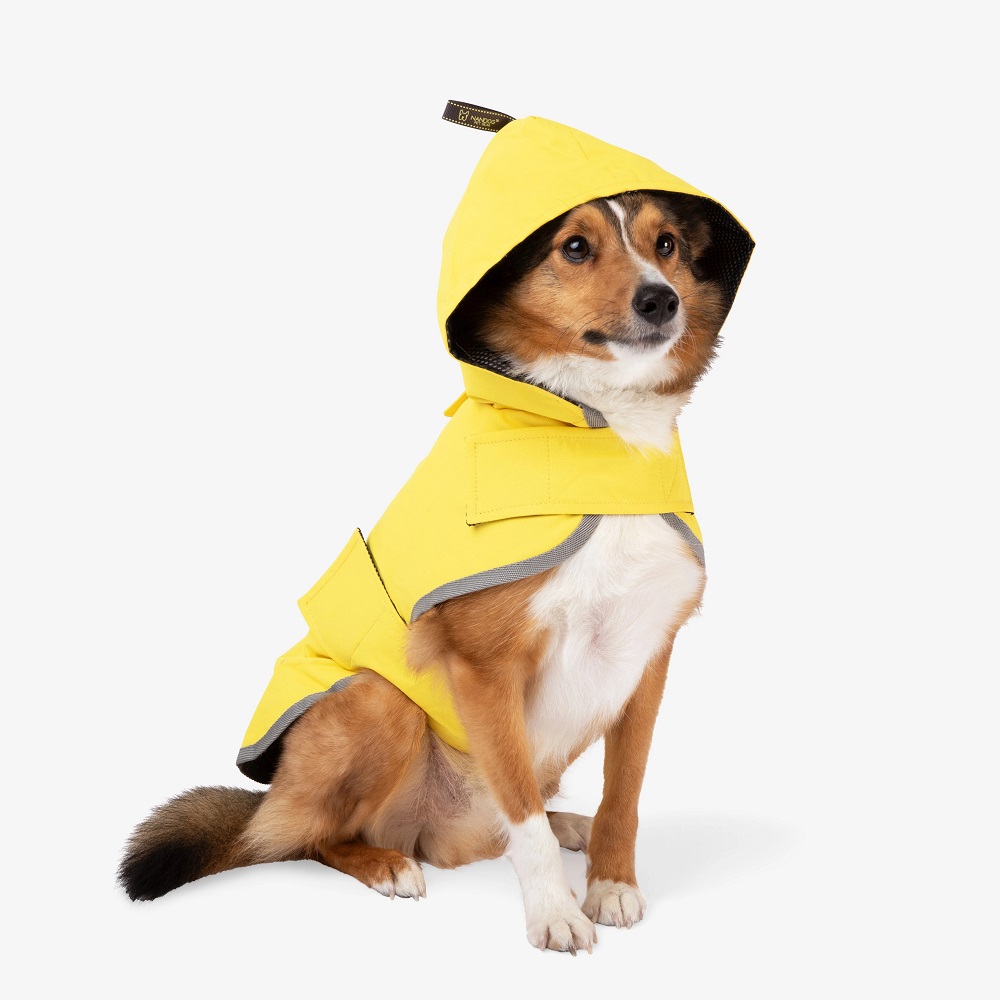
Convenience matters when maintaining your dog’s rain coat. Look for machine-washable options for effortless cleaning. Quick-drying materials save time and keep odors away.
Avoid rain coats that require delicate care or frequent replacement. Durable materials and reinforced stitching ensure the coat lasts through many uses. Practical features like removable liners or hoods can also make maintenance simpler.
Considering these factors will guide you in picking the best rain coat for your dog. When your dog is comfortable and protected, rain won’t stop your adventures together.
Top Brands for Dog Rain Coats
Selecting a rain coat for dogs from reliable brands ensures quality and durability. Trusted brands focus on functionality, comfort, and style, offering a wide range of options.
Features to Look for in Trusted Brands
- Waterproof Materials: Ensure the coat is made from premium waterproof fabrics, like nylon or polyester.
- Durable Design: Look for strong stitching and reinforced areas to withstand regular use.
- Comfortable Fit: Trusted brands offer adjustable straps and breed-specific sizing for comfort.
- Safety Additions: Many premium coats include reflective strips for visibility during low-light walks.
- Ease of Maintenance: Choose brands that provide machine-washable and quick-drying options.
- User Reviews: Positive feedback ensures reliability and satisfaction.
Brands that emphasize these features provide value, keeping dogs dry, safe, and comfortable.
Affordable Options vs. Premium Choices
Affordable Options:
- Budget-friendly coats focus on basic waterproofing and simplicity.
- Lightweight materials provide protection for occasional rainy walks.
- Affordable brands prioritize practicality but may lack advanced features.
Premium Choices:
- Premium brands combine style, durability, and advanced features.
- Insulated coats offer added warmth for cold weather.
- High-end options often include extras like reflective designs and leash openings.
- Premium coats last longer with better quality materials and construction.
Consider your dog’s needs and frequency of outdoor activities. Comparing affordable and premium options helps you make the best choice for your pet.
How to Measure Your Dog for a Rain Coat
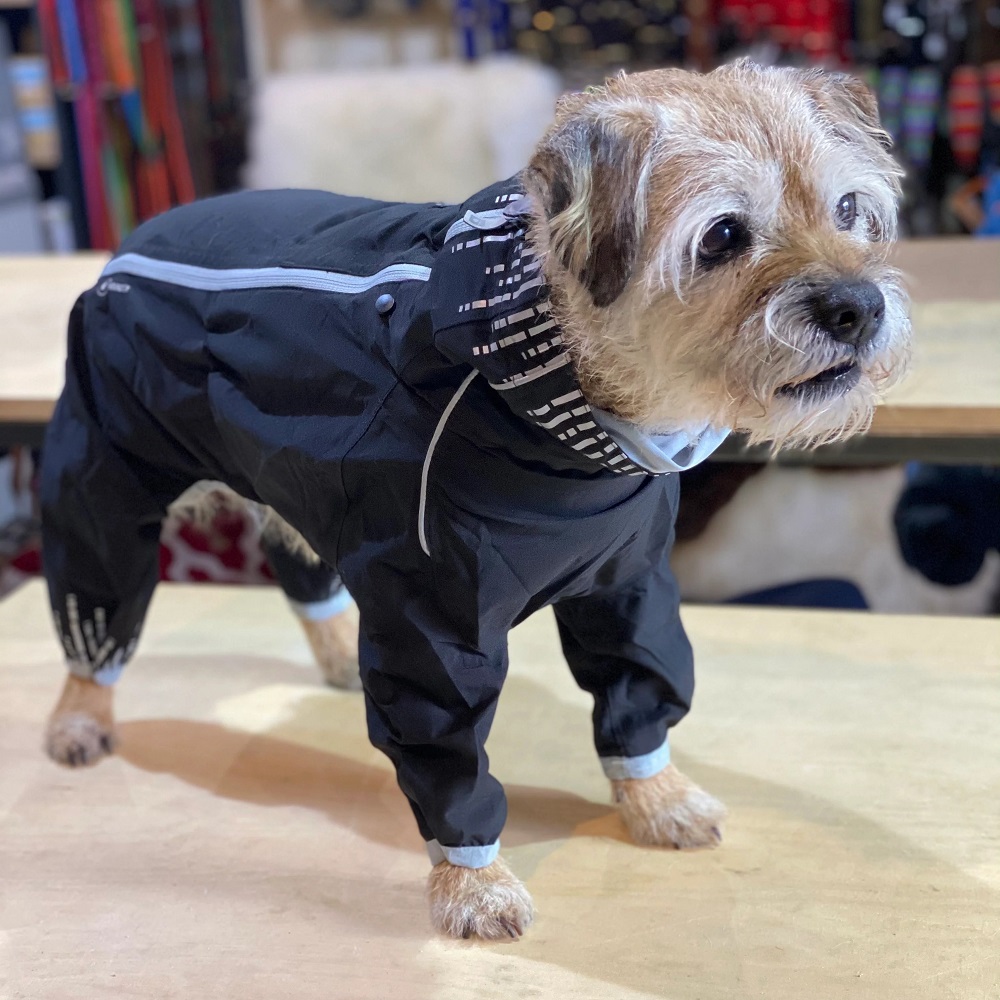
Making sure a rain coat fits your dog properly is crucial for comfort and protection. Measuring your dog accurately helps you select the right size for their needs. Follow these steps to measure your dog and ensure their new rain coat is a perfect fit.
Key Measurements to Take
- Back Length: Measure from the base of the neck to the base of the tail.
- Chest Girth: Wrap a measuring tape around the widest part of your dog’s chest.
- Neck Girth: Measure around the base of your dog’s neck where a collar sits.
- Waist: Check the width around your dog’s abdomen, just behind the ribcage.
Write the measurements down accurately. Use a flexible measuring tape for precise results. Thorough measurements help avoid coats that are too small or overly loose.
Tips for Ensuring Comfort and Flexibility
- Check for Adjustability: Look for rain coats with adjustable straps or fasteners for a customizable fit.
- Allow for Movement: Ensure the coat does not restrict your dog’s legs or cause discomfort.
- Account for Fur Length: Dogs with long hair may require a slightly looser fit.
- Consider Growth: Leave some extra room for puppies who are still growing.
- Test the Coat: Before buying, try the coat on your pet and observe their movement.
- Choose the Right Style: Pick a design that matches your dog’s unique body shape and size.
Taking accurate measurements ensures your dog can enjoy their rain coat while feeling comfortable. A well-fitted coat allows freedom of movement and optimum protection against wet weather for your furry friend.
Alternative Accessories for Wet Weather
Dogs and their owners often face challenges during wet weather. In addition to a rain coat for dogs, some alternative accessories can ensure your pet stays dry, safe, and comfortable during rainy outings. These items offer additional protection and enhance your dog’s outdoor experience.
Rain Boots for Dogs
Rain boots are excellent for keeping your dog’s paws dry and clean. Wet ground can lead to muddy paws, which are uncomfortable and messy. Rain boots also protect against cold, sharp objects, or harmful chemicals on wet surfaces.
Here’s what to consider when selecting rain boots for dogs:
- Size and Fit: Choose boots that fit snugly but allow natural movement. Measure your dog’s paws carefully.
- Material: Look for waterproof and durable materials to keep water out.
- Grip and Traction: Anti-slip soles ensure your dog doesn’t slide on slippery surfaces.
- Comfort: Opt for lightweight boots with cushioned interiors to avoid chafing.
Introducing rain boots to your dog might take time. Let them wear the boots indoors first and reward positive behavior with treats. Gradually increase the time they spend wearing the boots until they feel comfortable.
Waterproof Leashes and Harnesses
Waterproof leashes and harnesses are essential for rainy day walks. Regular leashes and harnesses can become heavy and difficult to grip when soaked. Choosing waterproof options can improve durability and comfort.
Here are some features to look for:
- Waterproof Materials: Opt for leashes made from rubber, coated nylon, or waterproof fabric.
- Durability: Ensure leashes and harnesses are strong enough to endure wet and muddy conditions.
- Easy Cleaning: Choose materials that are simple to clean and resistant to odors.
- Reflective Design: Reflective strips or bright colors improve your dog’s visibility in low light.
Waterproof leashes and harnesses are especially useful during heavy rains or hiking trips. They ensure your dog stays secure and safe, no matter the conditions.
Investing in alternative wet-weather accessories can make rainy days more enjoyable for your pet. Combined with a good rain coat for dogs, these items keep your companion dry and comfortable during walks.
Tips for Helping Your Dog Adjust to Wearing a Rain Coat
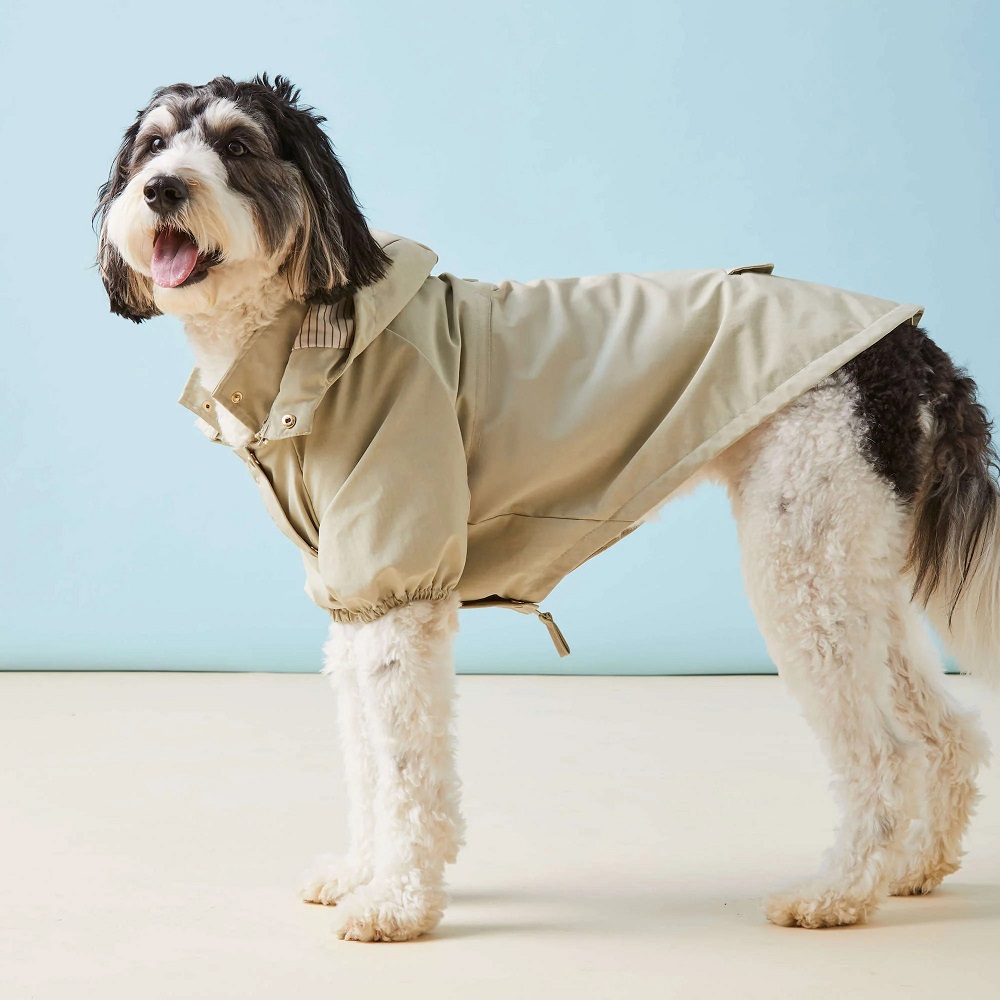
Introducing a rain coat for dogs is essential for making them comfortable in wet weather. It might take time for your pet to adapt, especially if wearing clothes is a new experience.
Gradual Introduction Strategies
- Start Slowly: Allow your dog to smell and inspect the rain coat. Let them get familiar with it.
- Use Positive Reinforcement: Reward your pet with treats and praise when they interact with the coat.
- Practice Indoors: Let your dog wear the rain coat indoors for short periods at first.
- Add Extra Time: Gradually increase the duration they wear the coat to help them adjust.
- Combine with Fun Activities: Make the experience enjoyable by introducing toys or playtime while wearing the coat.
- Watch for Comfort Cues: Ensure the coat fits comfortably without limiting movement or causing stress.
Patience and positive experiences are key. Slowly familiarizing your dog with the rain coat will make the adjustment smoother.
Common Challenges and Solutions
- Resisting the Coat: If your dog refuses, don’t force it. Allow more time for familiarization.
- Solution: Use treats and calm tones to create a positive association with the coat.
- Chewing the Coat: Some dogs may try to chew the rain coat out of curiosity.
- Solution: Use a distraction, such as a chew toy, to redirect their attention.
- Difficulty Walking: Dogs may act stiff or reluctant when wearing a coat for the first time.
- Solution: Encourage movement with short, fun walks around the house or yard.
- Fearful Behavior: Your dog might show nervousness.
- Solution: Take baby steps and ensure your dog feels safe throughout the process.
- Overheating: Dogs in insulated rain coats may feel too warm indoors.
- Solution: Use lightweight coats if indoors, and introduce insulated ones outdoors.
By addressing these challenges and being patient, your dog will soon see their rain coat as an essential part of their outdoor adventures.