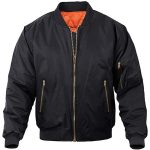
When it comes to horseback riding, having the right gear is essential. Among the crucial items in a rider’s wardrobe, the riding coat stands out for its functionality and style. A riding coat is designed not only to keep you warm and dry but also to ensure you look good while you enjoy your time in the saddle. This article will delve into the features, types, and tips for choosing the best riding coat for any weather condition.
Understanding the Purpose of a Riding Coat
Protection from the Elements
The primary purpose of a riding coat is to provide protection from various weather conditions. Whether it’s rain, wind, or chilly temperatures, a good riding coat acts as a barrier. Quality materials are often water-resistant, helping to keep you dry during unexpected downpours. Windproof designs help shield you from gusty conditions that can distract you while riding.
Maintaining Comfort
Comfort is crucial for riders, especially during long hours spent in the saddle. A well-fitted riding coat allows for movement while offering warmth. It should not restrict your range of motion, as fluidity is vital when managing a horse. Look for designs that prioritize comfort without compromising style or protection.
Enhancing Personal Style
A riding coat can also be a reflection of personal style. From classic designs to modern takes, there are countless options available. Many riders enjoy expressing their individuality through their riding attire. A stylish coat can make you feel confident and put-together, whether at a competition, on a trail ride, or during a casual outing.
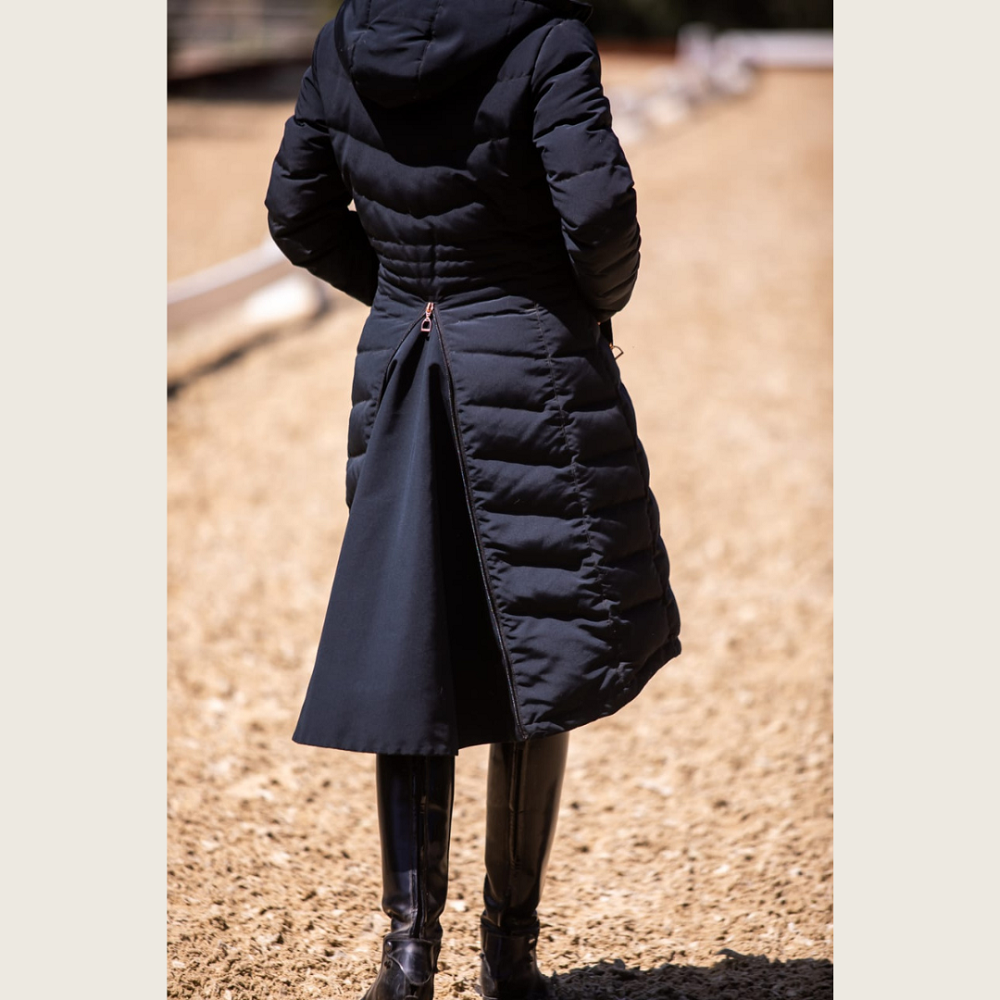
Important Features to Look For
Insulated Materials
When choosing a riding coat, insulative materials are essential. Coats made with down, fleece, or thermal insulation help keep you warm in colder weather. The coat’s lining also plays a critical role in retaining heat. Many riding coats feature breathable insulation that allows moisture to escape while keeping you warm, ensuring comfort during your ride.
Waterproofing Capabilities
Weather can be unpredictable, especially during outdoor activities like riding. A good riding coat should have waterproof or water-resistant features. Look for coats with sealed seams and high-quality zippers to ensure water cannot seep through. This protection allows you to ride confidently, knowing you won’t get wet from light rain or splashes from puddles.
Length and Fit
The length and fit of a riding coat can significantly affect your comfort and mobility. Coats that are too short may expose areas to the elements, while overly long styles can get in the way while riding. Ideally, a riding coat should reach at least mid-thigh to provide adequate coverage. Also, consider a tailored fit that allows for movement without being overly baggy.
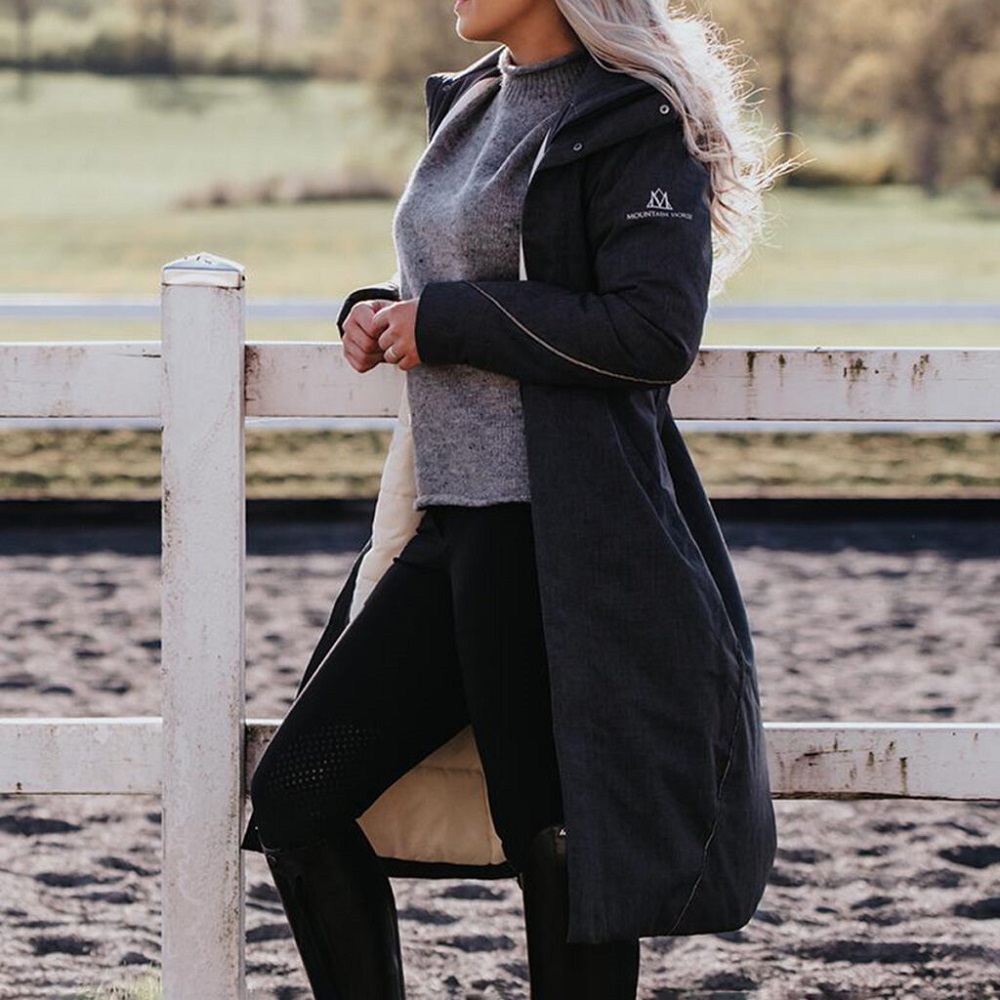
Different Styles of Coats
Classic Trench Coat
The trench coat is an iconic choice for riders. Its timeless design features a double-breasted front and a belted waist, adding elegance to functionality. Trench coats are often made from waterproof fabrics and can be insulated for colder weather. They provide a sophisticated look, perfect for riders who want to maintain an air of stylish professionalism.
Modern Riding Jacket
For those looking for a contemporary look, modern riding jackets offer a sleek alternative. These jackets often have a more fitted cut and are made from high-performance fabrics. Many feature advanced moisture-wicking technology, ensuring that you stay dry during your ride. With a stylish design, modern riding jackets seamlessly blend performance and fashion.
Lightweight Windbreaker
In warmer weather, a lightweight windbreaker can be a valuable addition to your riding wardrobe. These coats are designed to be breathable while providing protection against wind and slight rain. They are typically less insulated but can be layered over other clothing for added warmth when necessary. A good windbreaker enables you to maintain comfort without overheating during long rides.
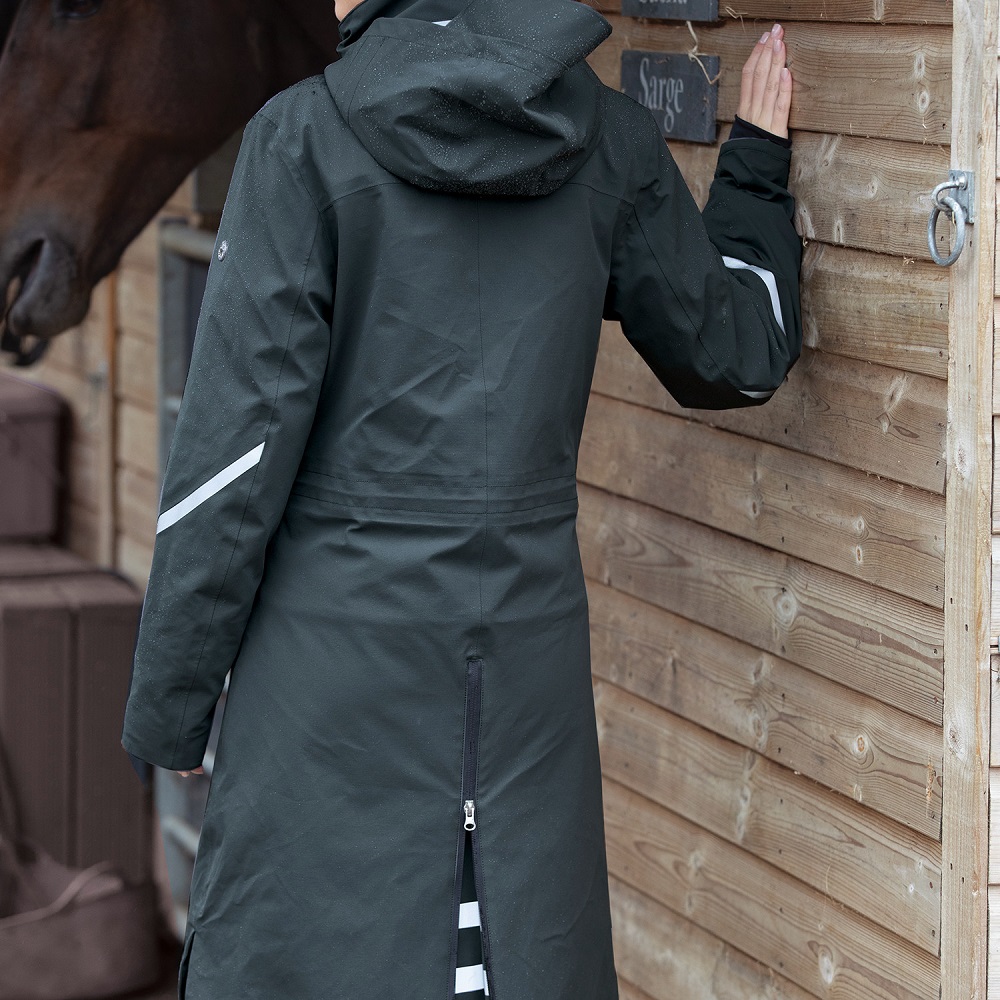
Choosing the Right Coat for Different Weather Conditions
Cold Weather Riding
When riding in cold weather, it’s essential to choose a coat that offers sufficient insulation. Look for options with a warm lining, such as fleece or synthetic insulation. A coat with a high collar and adjustable cuffs can help lock in warmth, providing additional defense against chilly gusts. Layering is also recommended, allowing you to add and remove layers as needed.
Rainy Days
On rainy days, opt for a coat specifically designed for wet conditions. Choose materials that are fully waterproof and feature breathable membranes to prevent moisture buildup. A coat with adjustable hoods can protect your head from rain. Ensure that the coat has long sleeves to provide full coverage, so you can ride comfortably despite the weather.
Mild Weather
For mild weather, look for a riding coat that can adapt to slightly chilly conditions without being overly warm. A coat made from lightweight and breathable materials will do the trick. Consider options that feature ventilation openings for airflow. This ensures comfort during rides, allowing you to enjoy favorable weather conditions while staying stylish.
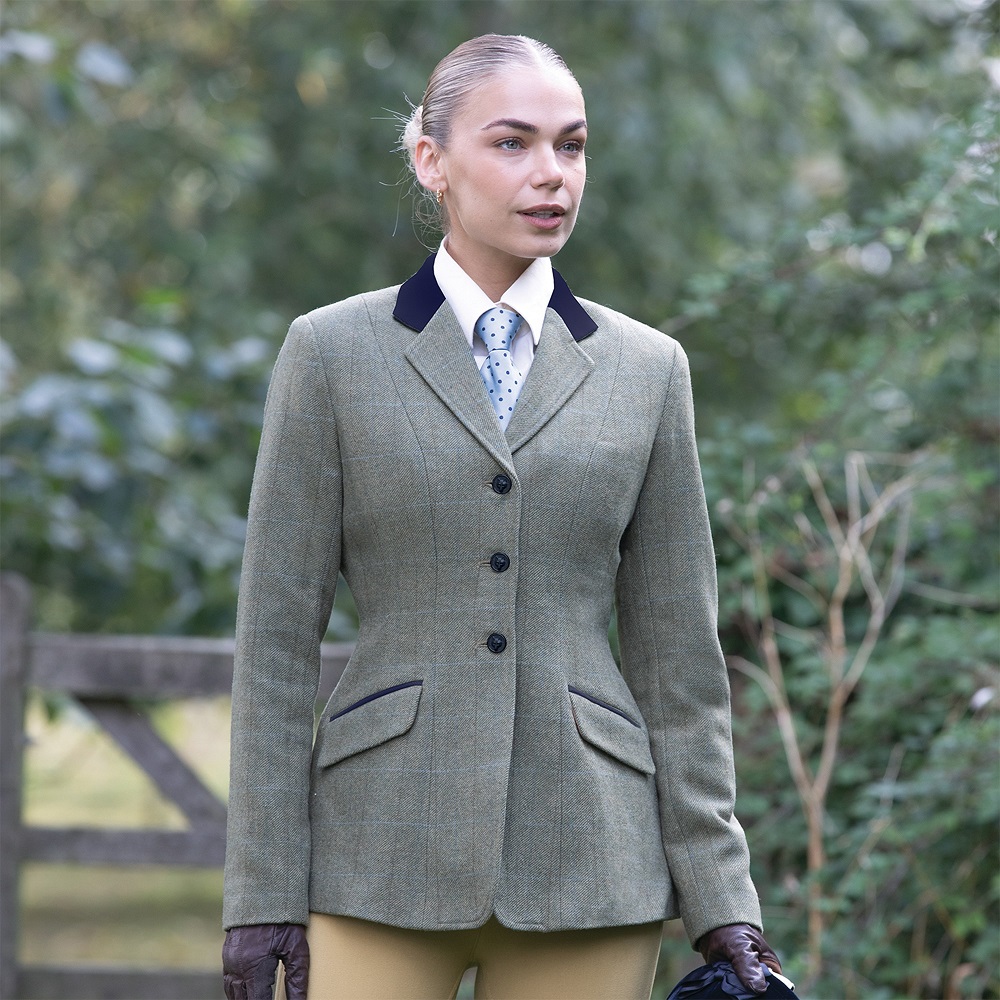
Accessorizing Your Coat
Functional Accessories
While the riding coat itself is important, the right accessories can enhance functionality and style. Consider wearing a warm scarf for additional warmth. A good riding glove is crucial for maintaining grip and control while riding. Accessories like these add layers of warmth and comfort, making your riding experience more enjoyable.
Stylish Additions
Accessorizing can also enhance your overall look. Opt for stylish hats, such as a classic felt or leather riding hat, to elevate your outfit. A chic belt can help define your waist if your coat is belted. These small touches can transform your entire look, making it stand out while still being practical for riding.
Footwear Choices
Proper footwear is crucial when riding, and your choice should complement your coat. Riding boots should provide stability while being fashionable. Leather boots often pair well with many styles of riding coats, offering a cohesive look. Ensure that your shoes are comfortable, as they will significantly impact your riding experience.
Caring for Your Coat
Regular Cleaning
To keep your riding coat in good condition, regular cleaning is essential. Most riding jackets are machine washable, but always check the care label to ensure the right method. Use gentle detergents and avoid fabric softeners, as these can reduce the coat’s waterproof qualities. Regular cleaning will help maintain its appearance and extend its lifespan.
Proper Storage
When the riding season ends, proper storage is important for preserving your coat’s condition. Ensure it is clean and dry before storing. Hang it in a cool, dry place away from direct sunlight to prevent fading and damage. Using a breathable garment bag can protect it from dust while allowing the fabric to breathe.
Addressing Minor Repairs
If your riding coat sustains any damage, such as loose threads or small tears, address them promptly. Most minor issues can be fixed with basic sewing skills. Having these repairs done quickly can prevent the damage from worsening. Keeping your coat in good repair ensures it offers maximum performance and style when it’s time to ride again.
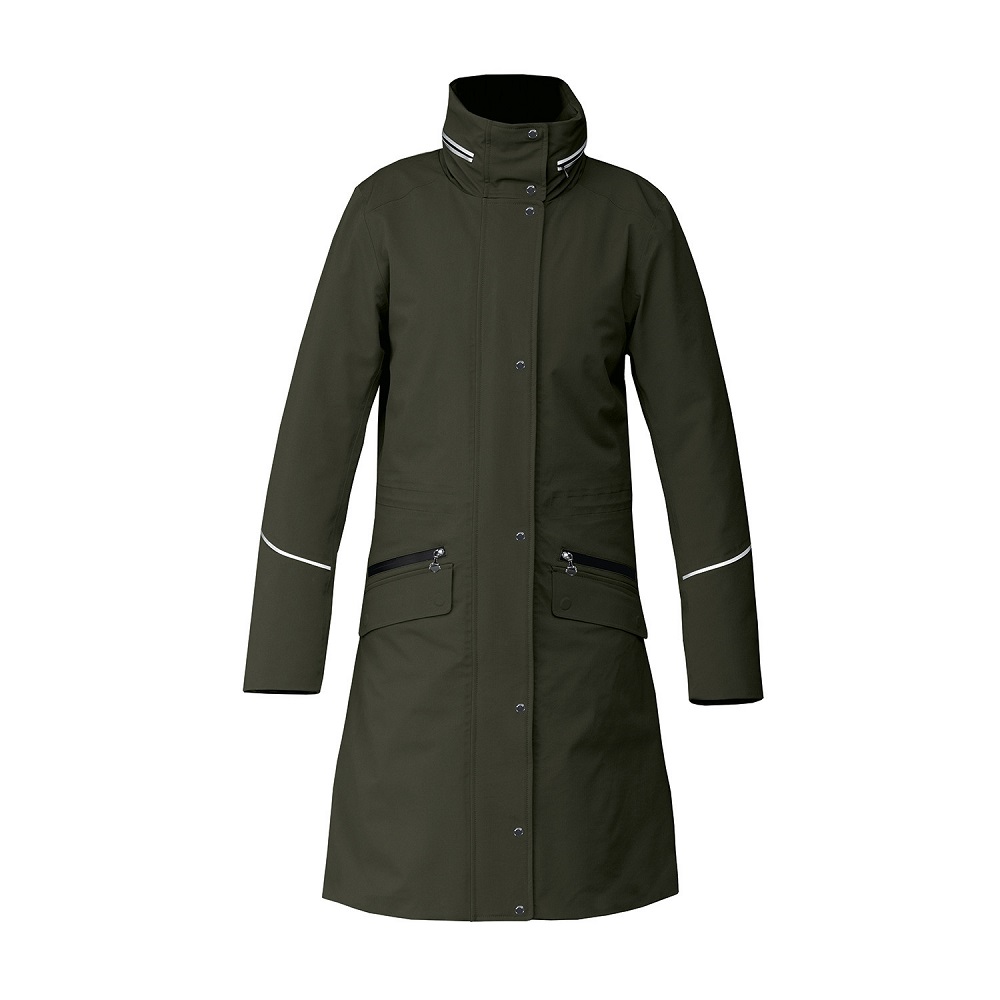
The Fashion Impact of Coats
Making a Statement
A well-chosen riding coat can make a bold statement. Riders often use their outward appearance to convey confidence, authority, and professionalism. A stylish, well-fitted coat projects not only a prepared image but also an awareness of fashion trends. This awareness can enhance perceptions and create a lasting impact in both competitive and casual settings.
Building a Personal Brand
The clothes you wear while riding are essential to your personal brand. Many riders develop a unique look that reflects their personality, and the riding coat plays a crucial role in that identity. By selecting a coat that embodies your style, you can reinforce your brand both on and off your horse. A strong personal brand can influence how others perceive your skills and character, particularly in competitive environments.
Cultural Relevance
Riding coats often carry cultural significance, especially in equestrian circles. They can represent different riding disciplines and styles, from classical looks to modern interpretations. Understanding the cultural context in which your coat exists can enhance your appreciation of this timeless garment. It allows you to connect with the riding community and engage in discussions about its impact on your experiences.
Investing in a Quality Coat
Long-Term Value
Investing in a quality riding coat pays off in the long run. High-quality coats are designed for durability and functionality, ensuring they withstand regular use. They often come with warranties or satisfaction guarantees, making them a smarter financial choice. A well-constructed coat will serve you for many seasons, making it a worthy investment for serious riders.
Choosing the Right Brand
Brands that specialize in equestrian apparel often produce the best riding coats. Research reputable brands known for their commitment to quality and performance. Customer reviews can provide insights into durability, comfort, and style. By choosing a trusted brand, you can feel confident in your purchase, knowing you are getting value for your money.
Trying Before Buying
Whenever possible, try on riding coats before purchasing them. Testing the fit is crucial in ensuring that you have full freedom of movement. Pay attention to how the coat feels when you’re sitting in a saddle and while walking. A coat that feels great while standing may restrict movement while riding. Take your time to find the perfect coat that meets your style and functional needs.
FAQ:
- Are riding coats suitable for all weather conditions?
- Yes, many riding coats are designed to withstand various weather conditions. Look for coats with removable linings or adjustable ventilation to adapt to changing temperatures and weather.
- How should a riding coat fit?
- A riding coat should fit comfortably without being too tight, allowing for freedom of movement while riding. It should also accommodate layers underneath and not restrict arm movement.
- What materials are best for riding coats?
- Ideal materials include waterproof and breathable fabrics like Gore-Tex or Mermet, as well as durable materials like nylon or polyester with insulation for colder weather.
- Can I wear a riding coat off the horse?
- How do I care for my riding coat?
- Care instructions vary by material, but generally, riding coats should be machine washed on a gentle cycle and air-dried. Avoid fabric softeners which can affect the coat’s water-resistant properties.
Conclusion: Embrace the Riding Adventure in Style
In conclusion, a riding coat is not just an article of clothing; it represents a commitment to comfort and style while pursuing your passion. Understanding the importance of insulation, waterproofing, and fit will help you make informed choices when selecting your ideal coat. Whether you are navigating wet weather, chilly conditions, or milder climates, the right riding coat can make all the difference.
Investing in a quality riding coat, such as the best riding coats for cold weather, allows you to express your personal style while enjoying the outdoors. Combining functionality with fashion, it empowers you to ride comfortably in any weather. Embrace your riding journeys with confidence, knowing you have the perfect coat to support you, keeping you warm, dry, and stylish. Equip yourself for success, and let your riding coat accompany you on every equestrian adventure.