

Introduction:
The importance of regular washing machine cleaning
Keeping your washing machine clean is crucial for maintaining its performance and prolonging its lifespan. Regular cleaning helps prevent the buildup of dirt, soap scum, and bacteria that can affect the cleanliness of your laundry and the efficiency of your machine. In this guide, we will explore how often you should clean your washing machine and provide specific recommendations for different components and cleaning methods to ensure optimal cleanliness and functionality.
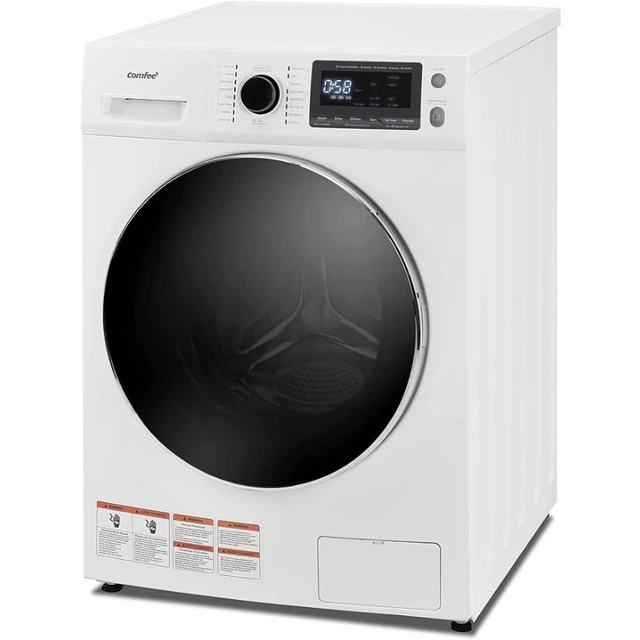
How Often Should You Clean Your Washing Machine?
-
Cleaning frequency for different components
a. Drum or tub: It is recommended to clean the drum or tub of your washing machine at least once every three months. This frequency may vary depending on factors such as usage, fabric types, and water hardness. Regular drum cleaning prevents the accumulation of dirt, lint, and residue that can impact the cleanliness of your laundry.
b. Detergent dispenser: Clean the detergent dispenser regularly to remove any buildup of detergent or fabric softener. For high-efficiency machines, clean the dispenser drawer after every few cycles. For traditional top-loading machines, clean it every month. This practice prevents clogs and ensures proper dispensing of detergent.
c. Rubber door seal: The rubber door seal, also known as the gasket, should be cleaned regularly, approximately once every two weeks. This area tends to accumulate moisture and can foster the growth of mold or mildew if not properly maintained. Thoroughly clean the rubber seal using a mild detergent, warm water, and a soft cloth.
d. Lint filter: Clean the lint filter after each use or at least once a week, depending on the frequency of usage. Accumulated lint reduces the machine’s efficiency and can cause drainage issues. Remove the lint filter, located in the agitator or near the drum, and rinse it under running water to remove lint and debris.
-
Targeted cleaning methods for different components
a. Drum or tub cleaning: Run an empty cycle with hot water and add either white vinegar or a washing machine cleaner specifically designed to remove residue and odors. This should be done every three months or as needed. For particularly stubborn stains or odors, create a paste using baking soda and water and scrub the drum with a soft brush.
b. Detergent dispenser cleaning: Remove the detergent dispenser drawer and soak it in warm, soapy water. Use a soft brush or toothbrush to clean hard-to-reach areas. Rinse thoroughly and allow it to dry before reinserting it into the machine.
c. Rubber door seal cleaning: Wipe the rubber door seal with a cloth dampened with a mixture of equal parts water and vinegar or a mild detergent solution. Pay special attention to any visible mold or mildew and scrub gently to remove it. Rinse with clean water and dry the seal thoroughly after cleaning.
d. Lint filter cleaning: Remove the lint filter and rinse it under running water to remove lint and debris. Use a soft brush or toothbrush to gently scrub away any remaining residue. Allow the filter to dry completely before reinstalling it into the machine.
-
Tips for ongoing maintenance and cleanliness
a. Leave the door open: After each wash cycle, leave the washing machine door open for a while to allow air to circulate and prevent the buildup of moisture and mold growth.
b. Remove wet laundry promptly: Remove your laundry promptly after each wash cycle to prevent damp clothes from creating a favorable environment for mold or mildew growth.
c. Use proper detergent: Follow the manufacturer’s instructions regarding the appropriate amount of detergent to use for each load. Using excessive detergent can lead to soap scum buildup and potential malfunction of the machine.
d. Clean spills and splatters: Clean any spills or splatters that occur during the loading or unloading process immediately. This prevents the buildup of detergent or other substances that may cause stains or odors.
-
Seeking professional assistance
a. Complex or persistent issues: If you encounter persistent odors, mold growth, or other issues that cannot be resolved through regular cleaning, it may be necessary to seek professional help. Contact the manufacturer’s customer support or a qualified appliance repair technician for further assistance and deep cleaning services.
b. Warranty coverage: If your washing machine is still under warranty, check with the manufacturer or authorized service provider for warranty coverage regarding cleaning and maintenance. They can provide specific instructions or services related to your machine model.
-
Signs that indicate the need for immediate cleaning
a. Foul odor: If your washing machine emits a persistent unpleasant odor, even after regular cleaning, it may indicate the presence of mold, mildew, or bacterial growth. In such cases, immediate cleaning is necessary to eliminate the source of the odor and prevent further contamination.
b. Visible residue on clothes: If you notice residue or stains on your freshly washed laundry, it could be an indication that the washing machine is not effectively cleaning the clothes. This can be caused by a buildup of detergent, dirt, or lint within the machine, signaling the need for a thorough cleaning.
c. Decreased washing performance: If your washing machine’s cleaning performance has noticeably decreased, with clothes coming out less clean than usual, it may be due to a buildup of dirt, detergent, or debris within the machine. Cleaning the machine can help restore its optimal performance.
d. Excessive noise or vibration: If your washing machine starts making unusual noises, such as squeaking, grinding, or rattling, it may be a sign of a mechanical issue or improper alignment. Cleaning the machine and inspecting its components can help identify and resolve any underlying problems.
-
Additional maintenance tips for a clean washing machine
a. Regularly clean the exterior: Wipe down the exterior of the washing machine with a damp cloth and mild soap to remove any dust or dirt buildup. This simple step can contribute to the overall cleanliness and appearance of the machine.
b. Check and clean the drain pump filter: Refer to the manufacturer’s instructions to locate the drain pump filter. Regularly inspect and clean it to prevent blockages and ensure smooth drainage. Clear any debris or lint that may have accumulated.
c. Inspect hoses and connections: Periodically check the hoses and connections of your washing machine for leaks or signs of wear. Replace any damaged or deteriorated parts to prevent water leakage and potential water damage.
d. Consider using washing machine cleaner tablets: Washing machine cleaner tablets are specially designed to remove stubborn residue, odors, and bacteria that may be difficult to eliminate through regular cleaning methods alone. Follow the instructions provided with the tablets to effectively use them.
Conclusion: Maintaining cleanliness and functionality
Regular cleaning of your washing machine is essential to maintain cleanliness and functionality. By following the recommended cleaning frequencies for different components and employing targeted cleaning methods, you can ensure optimal performance and prevent odors, mold, and stains. Adopting good maintenance practices and seeking professional assistance when necessary can also contribute to the longevity and efficiency of your machine. By integrating these practices into your laundry routine, you can enjoy clean and fresh clothes while extending the lifespan of your washing machine.

 Introduction:
 Some common types of washing machines:
 Signs of a Dirty Washing Machine
 After-Cleaning Maintenance Tips
 Conclusion: