Introduction to Hair Damage
Understanding Hair Damage
Hair damage is a common concern for many individuals. It can result from a variety of factors, including heat styling, coloring, and environmental stressors. Damaged hair tends to be dry, brittle, and prone to breakage. Addressing these issues is essential for achieving healthy, beautiful hair. Thankfully, many affordable solutions, such as DIY hair masks for damaged hair, can help restore hair health.
The Importance of Nourishment
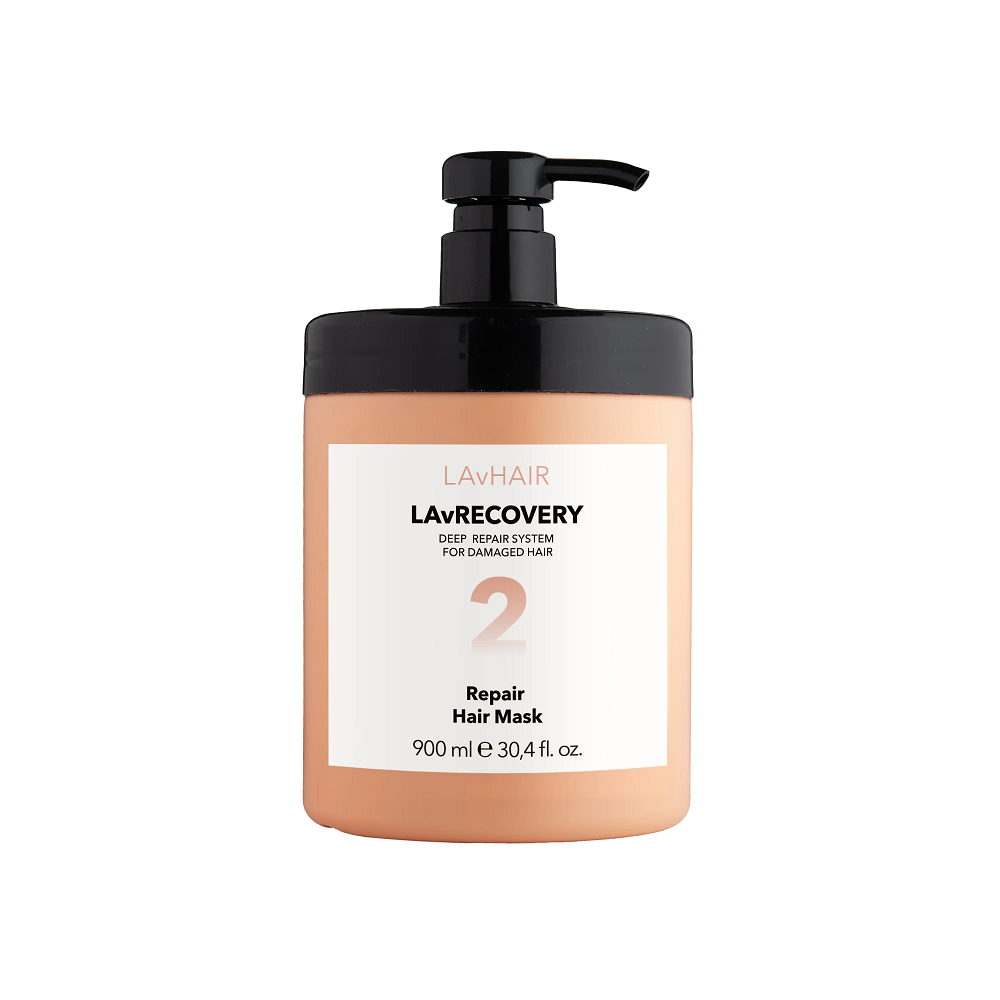
Nourishing hair with the right ingredients is crucial for recovery. Hair masks for damaged hair provide a concentrated dose of vitamins, minerals, and moisture that ordinary conditioners may not offer. Their deep conditioning properties penetrate the hair shaft more effectively, allowing for repairing and revitalizing. Consistent use of nourishing hair masks can bring damaged hair back to life.
Purpose of This Article
This article will provide readers with DIY hair mask recipes specifically designed for damaged hair. Each recipe will incorporate affordable and accessible ingredients. Readers will learn how to create effective masks that promote recovery without breaking the bank.
Key Ingredients for Hair Recovery
Natural Oils
Natural oils are key components of many successful hair masks. They provide moisture, shine, and nourishment to strands. Popular choices include coconut oil, olive oil, and jojoba oil. Each type of oil has its unique benefits that can help repair damaged hair.
Coconut Oil
Coconut oil is a standout ingredient known for its deep conditioning properties. It penetrates the hair shaft effectively, reducing protein loss. This quality makes it especially beneficial for damaged and brittle hair. The moisturizing qualities of coconut oil improve hair elasticity and reduce breakage.
Olive Oil
Olive oil offers exceptional moisturizing benefits. Rich in antioxidants, it provides a protective barrier to the hair. The emollient properties of olive oil make it effective in sealing moisture, which helps soften the hair and enhance shine. It’s a fantastic option for those looking to restore vitality to their locks.
Jojoba Oil
Jojoba oil closely resembles the natural oils produced by the scalp. This similarity allows it to hydrate hair without leaving a greasy residue. Jojoba oil is beneficial for all hair types but is particularly useful for those with dry or damaged hair. Its nourishing properties help repair and protect the hair.
Effective DIY Hair Mask Recipes
Recipe 1: Coconut Oil and Honey Mask
One of the simplest and most effective hair masks consists of coconut oil and honey. To make this mask, mix 2 tablespoons of melted coconut oil with 1 tablespoon of honey. The combination provides deep hydration and nourishment.
Application Process
Apply the mask to clean, damp hair, ensuring even coverage from roots to ends. Focus on the tips, which often suffer the most damage. Cover your hair with a shower cap to prevent the mask from dripping. Leave it on for 30-45 minutes before rinsing thoroughly with warm water. Following with a mild shampoo will ensure complete removal.
Benefits of the Mask
This mask is particularly effective for restoring moisture and shine to dry hair. The coconut oil penetrates deeply, while honey acts as a humectant, locking moisture in. The result is softer, more manageable hair.
Recipe 2: Avocado and Yogurt Mask
Ingredients Needed
Avocado and yogurt together create a creamy, nourishing hair mask. To make this mask, mash one ripe avocado and combine it with 1/2 cup of plain yogurt.
How to Apply It
Apply the mixture to damp hair, ensuring full coverage. Focus on the scalp and distribute the mask evenly through the lengths. Leave the mask on for about 30 minutes, then rinse thoroughly with lukewarm water. You may want to follow up with a gentle shampoo to remove any residue.
Benefits of Avocado and Yogurt
Avocado is rich in vitamins and fatty acids that promote hair health. Yogurt adds protein and moisture, enhancing the overall effectiveness of the mask. Together, they help repair damage and restore hydration, leading to revitalized hair.
Recipe 3: Banana and Olive Oil Mask
Ingredients Required
A banana and olive oil mask can provide both moisture and strength to damaged hair. To prepare this mask, mash one ripe banana and mix it with 2 tablespoons of olive oil.
Application Instructions
Apply the mask to clean, damp hair, focusing on areas that feel particularly dry or damaged. Allow it to sit for 30-40 minutes. This longer duration enables the mask to penetrate and nourish the hair effectively. Rinse thoroughly with warm water and follow with a mild shampoo.
Advantages of Banana and Olive Oil
Bananas are packed with potassium, vitamins, and natural oils that help strengthen hair. Olive oil adds deep moisture and shine. Together, these ingredients create a rejuvenating treatment that combats dryness and improves overall hair texture.
Recipe 4: Egg and Honey Mask
Making the Mask
An egg and honey mask is perfect for individuals seeking protein-packed nourishment. To make it, combine one beaten egg with 2 tablespoons of honey.
How to Use the Mask
Apply the mixture to damp hair, working it in from roots to tips. Leave the mask on for 20-30 minutes, allowing the proteins to penetrate the hair. Rinse thoroughly with cool water to prevent cooking the egg in your hair. Follow with a gentle shampoo to remove any residue.
Benefits of Egg and Honey
Eggs are rich in protein, which is vital for repairing damaged hair. Honey acts as a humectant, helping to attract moisture. This mask will leave hair feeling stronger and more resilient while providing a natural shine.
Recipe 5: Honey and Aloe Vera Mask
Ingredients Needed
A honey and aloe vera mask offers hydration and repair benefits. To prepare this mask, mix 1/2 cup of aloe vera gel with 2 tablespoons of honey.
Application Process
Apply the mask to clean, damp hair, focusing on the scalp as well as the hair length. Leave it on for 30 minutes. Using a shower cap can help maintain warmth to enhance absorption. Rinse thoroughly with cool water afterward.
Effects of Aloe Vera and Honey
Aloe vera is known for its soothing properties and ability to retain moisture. It can help with scalp irritations while promoting hair growth. Honey aids in hydration, making this mask a great option for overall hair health.
Tips for Optimal Results
Consistent Use
For the best results, use hair masks consistently. Aim to incorporate them into your hair care routine once a week or as needed based on your hair’s condition. Regular treatments will show improvements in hydration, shine, and overall health.
Customize Ingredients
Feel free to mix and match ingredients in your DIY recipes. Tailoring your hair mask to your specific needs will yield the most beneficial results. Understanding your hair type and its specific requirements will improve your overall experience.
Protecting Your Hair Post-Mask
After using a hair mask, always use a heat protectant if you plan to style your hair. This precaution will ensure that your newly nourished locks are safeguarded against future damage. Incorporating a quality leave-in conditioner can also help maintain moisture levels between treatments.
Common Mistakes to Avoid
Overusing Hair Masks
While hair masks are beneficial, overusing them can lead to buildup. This buildup can weigh hair down and inhibit volume. It is essential to find a balance and frequency that works for your hair condition—usually once a week suffices.
Ignoring Scalp Health
When applying hair masks, many people focus solely on the hair lengths and neglect the scalp. However, scalp health is vital for hair growth and overall hair health. Incorporate the mask into your scalp care routine for comprehensive benefits.
Not Following Up Properly
Failing to rinse the mask properly can lead to residue buildup that weighs hair down. After waiting for the recommended time, make sure to rinse thoroughly. Following up with a gentle shampoo can help eliminate any leftover product.
Evaluating Hair Mask Brands
Popular and Reputable Brands
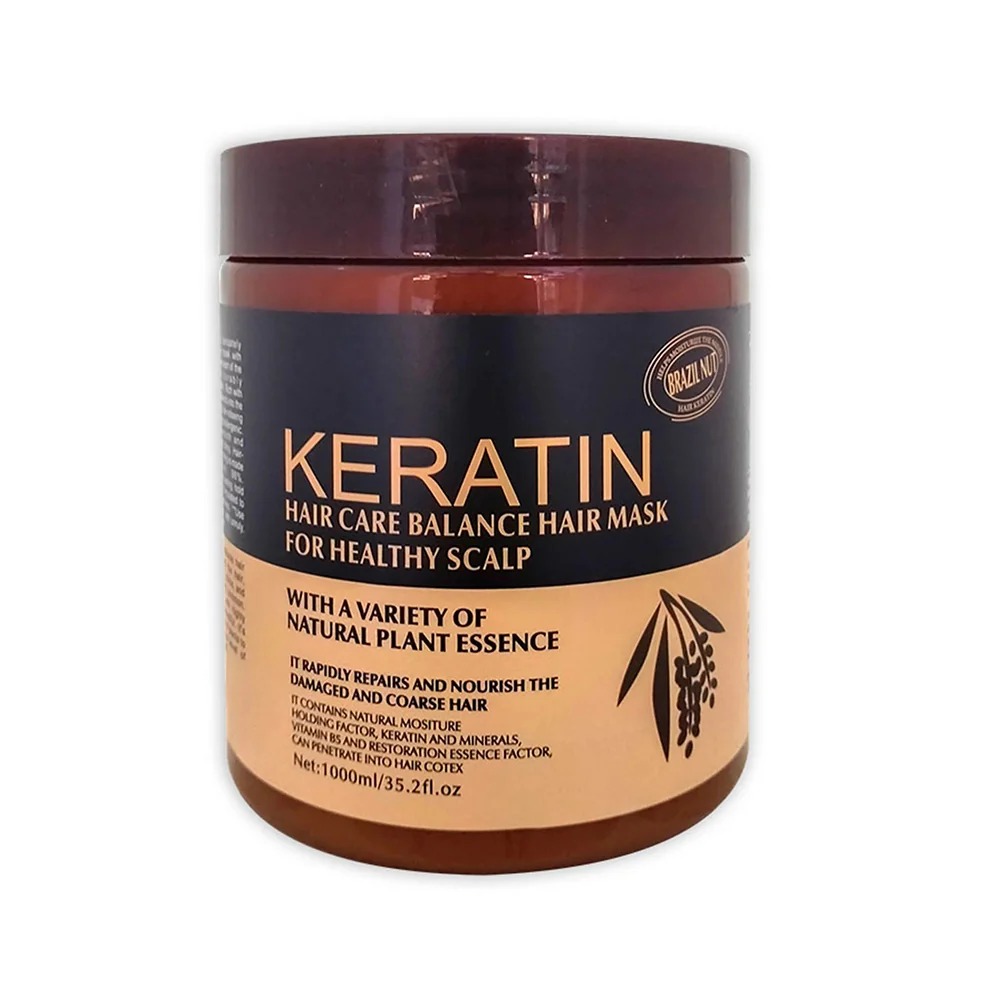
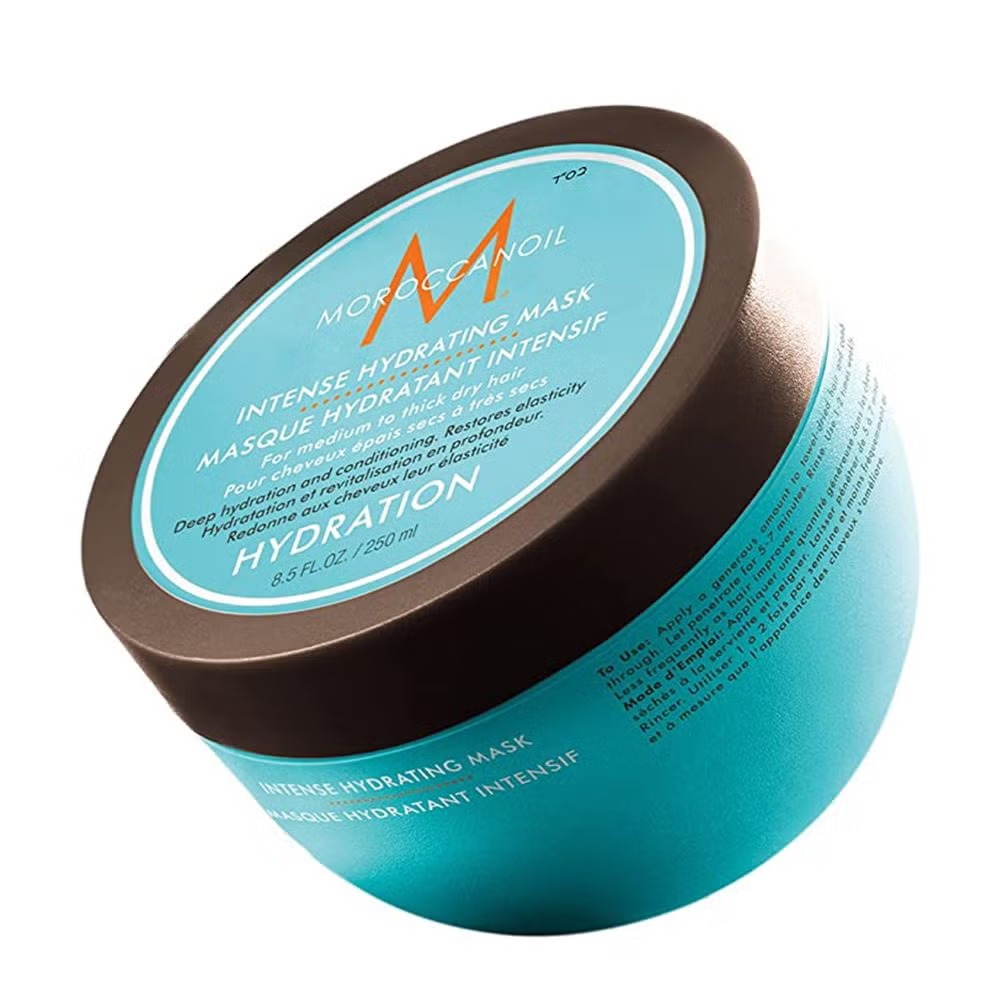
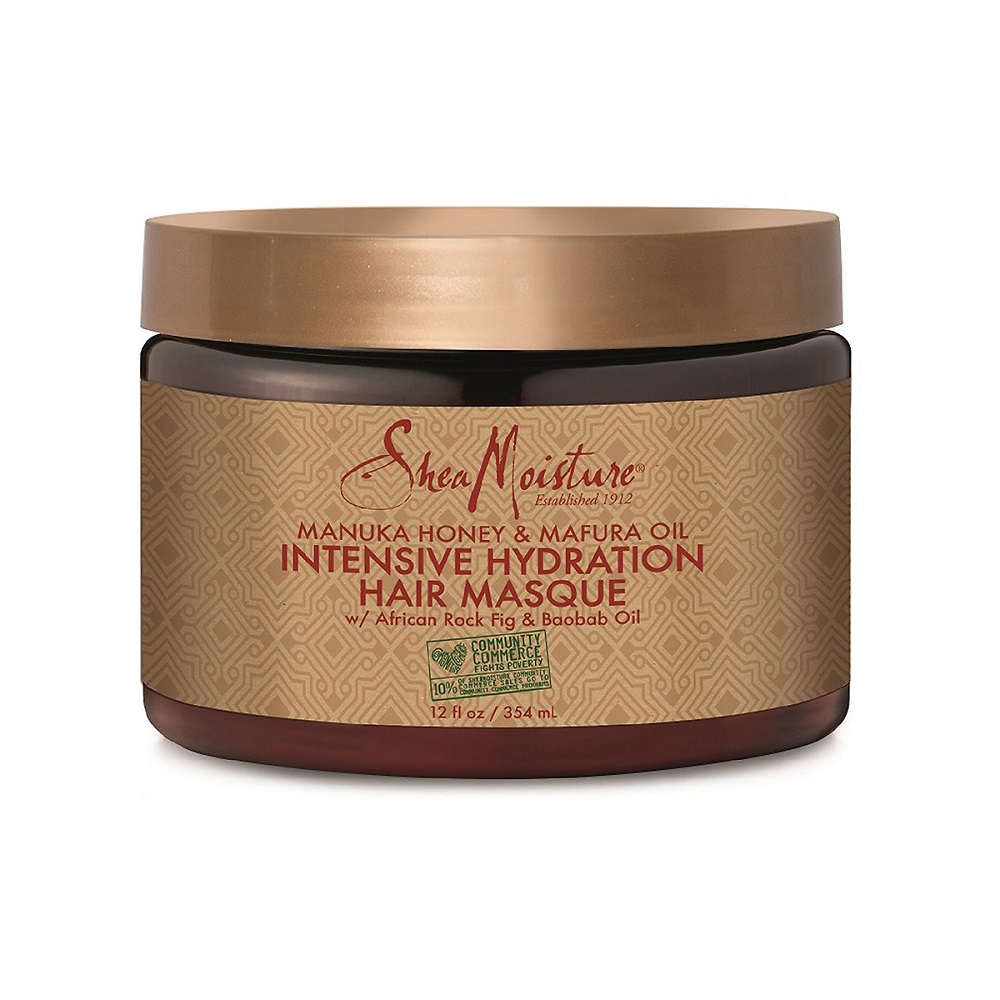
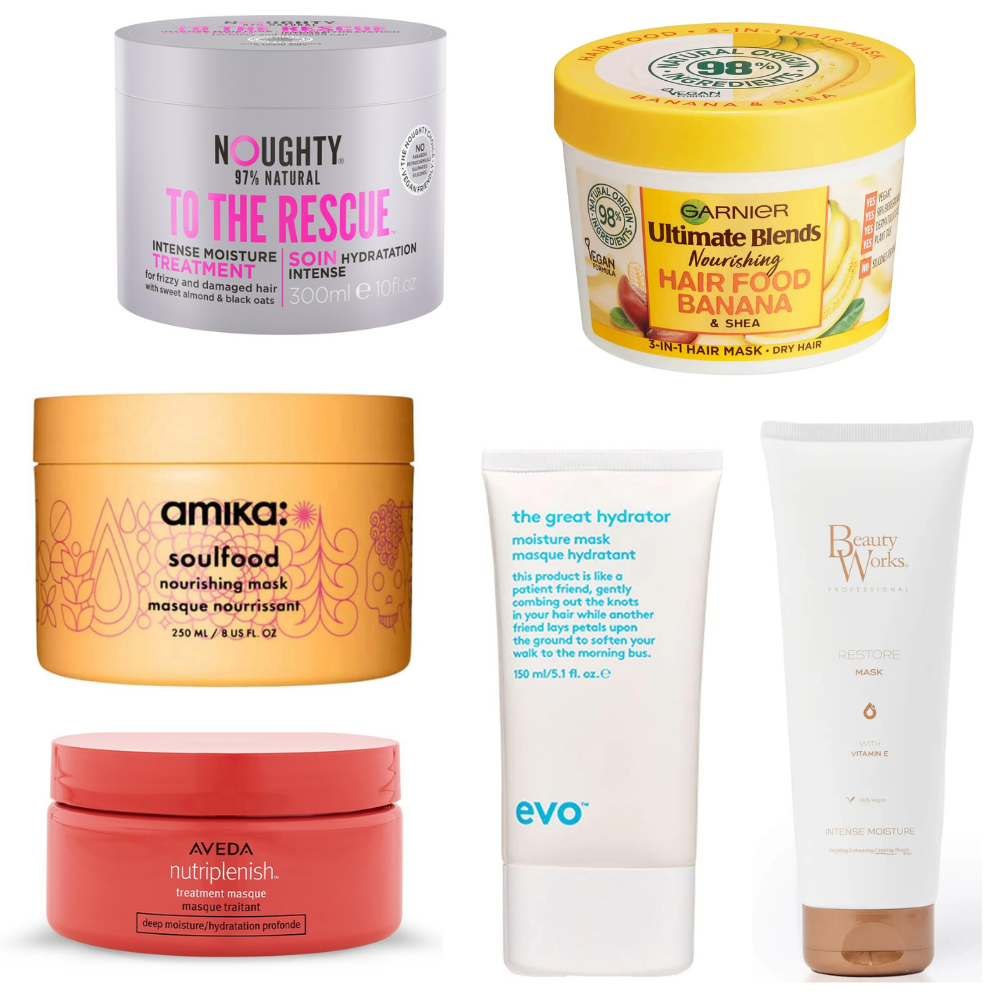
Several brands are well-known for their effective hair masks. Brands like Olaplex, SheaMoisture, and Briogeo offer specialized masks that target various hair concerns. Researching these brands can help you find products tailored to your specific needs.
Ingredient Transparency
When evaluating hair masks for damaged hair, examine the ingredient lists carefully. Focus on masks made from natural ingredients without harmful chemicals. Avoid products containing sulfates, parabens, or silicones for the best long-term results.
Sampling Before Committing
If unsure which hair mask to choose, sample smaller sizes or trial packs. This approach allows you to gauge how your hair responds to different products before committing to a full size. Experimenting with various masks can lead to discoveries that significantly benefit your routine.
FAQ:
- How do I make an effective DIY hair mask for damaged hair?
- To make a DIY hair mask, you can mix ingredients like 1 ripe avocado, 2 tablespoons of coconut oil, and 1 tablespoon of honey. Blend until smooth, apply it to clean, damp hair, and leave it on for 30-60 minutes before rinsing thoroughly.
- How often should I use a DIY hair mask for damaged hair?
- It is generally recommended to use a DIY hair mask for damaged hair once a week. This frequency allows your hair to absorb essential nutrients without overloading it with product.
- Do I need to use heat when applying a DIY hair mask?
- While not necessary, using heat can enhance the effectiveness of a hair mask. You can cover your hair with a shower cap or warm towel after applying the mask to help the ingredients penetrate more deeply.
- Can I leave a DIY hair mask on overnight?
- Yes, you can leave a DIY hair mask on overnight if the ingredients are gentle and suitable for extended contact. However, make sure to use a protective covering to prevent any mess and protect your pillows. Rinse in the morning for optimal results.
- How do I properly rinse out a DIY hair mask?
- To properly rinse out a DIY hair mask, start by using lukewarm water to help remove the product. Follow up with a gentle shampoo if needed, and finish with cool water to seal the hair cuticles, enhancing shine and moisture retention.
Conclusion: Embracing Hair Masks for Healthier Hair
The Power of DIY Hair Masks
In conclusion, hair masks offer an affordable and effective way to address dry and damaged hair. By understanding the essential ingredients and following suitable recipes, you can create nourishing treatments that work for your specific hair type. Incorporating these masks into your routine can lead to dramatic improvements in hair health.
Celebrating Natural Hair Care
Taking the time to craft DIY hair masks celebrates natural hair care. You feel empowered by controlling what goes into your hair products. With the right combinations of ingredients, you can turn your kitchen into a nourishing beauty spa.
Achieving Beautiful, Healthy Hair
With consistency and the right approach, beautiful, healthy hair is achievable. Embrace the journey of hair care by trying out different recipes and discovering the best ingredients for DIY hair masks for damage hair that work best for you. Investing time in self-care through nourishing hair masks will ultimately lead to stunning locks that reflect your care and commitment. Your hair deserves love, and DIY masks are a wonderful way to show it.