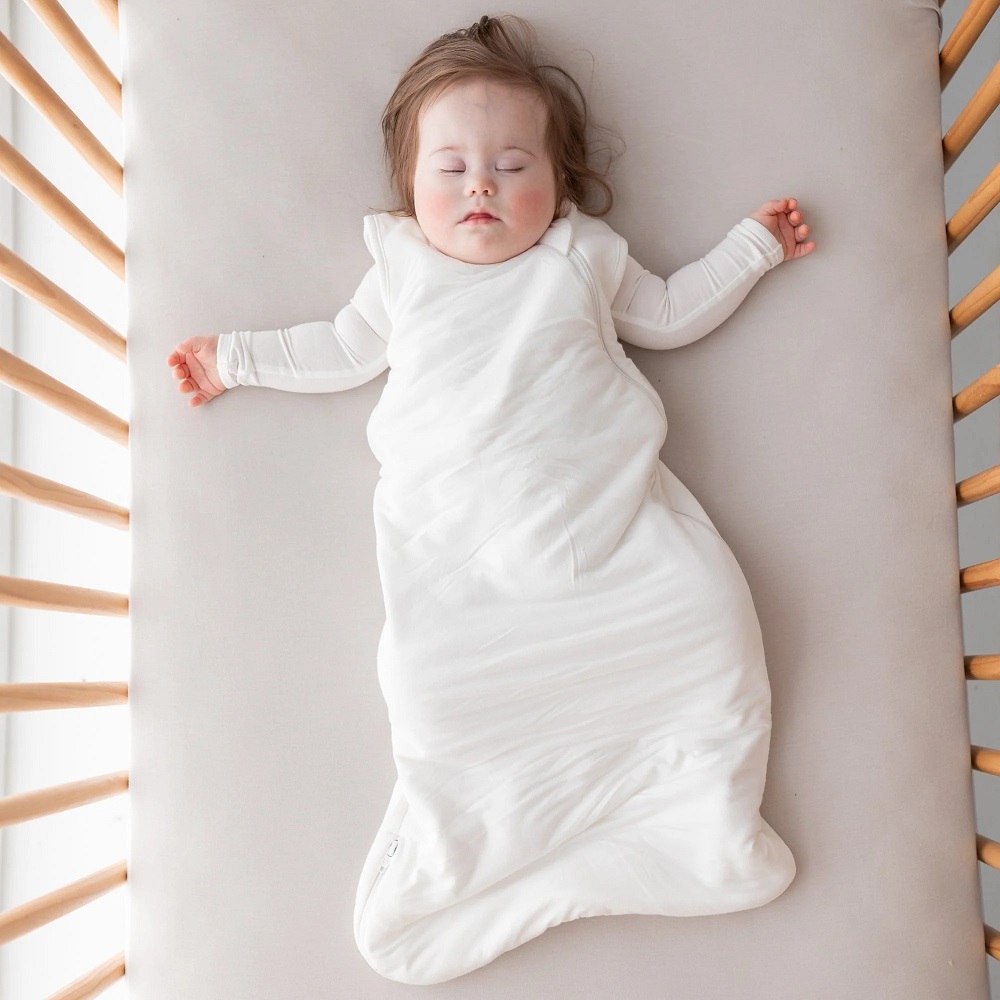
Sleep sacks, also known as sleep bags or wearable blankets, have become a popular choice for parents looking for safe and comfortable sleep solutions for their children. Designed to keep little ones warm and cozy during sleep, sleep sacks are available in various materials and sizes. This article will guide you through the process of choosing the right sleep sack for your child, focusing on material types, size considerations, and important safety features.
Understanding Sleep Sacks
What Are Sleep Sacks?
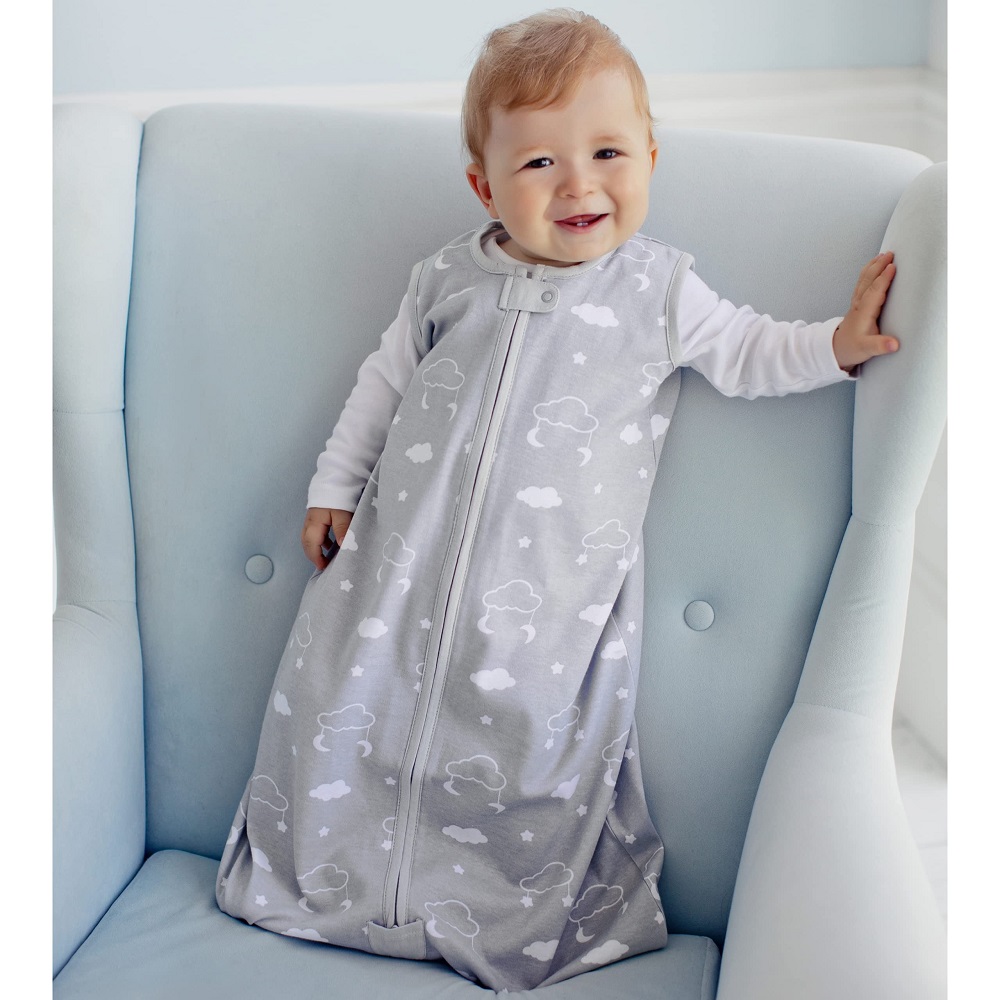
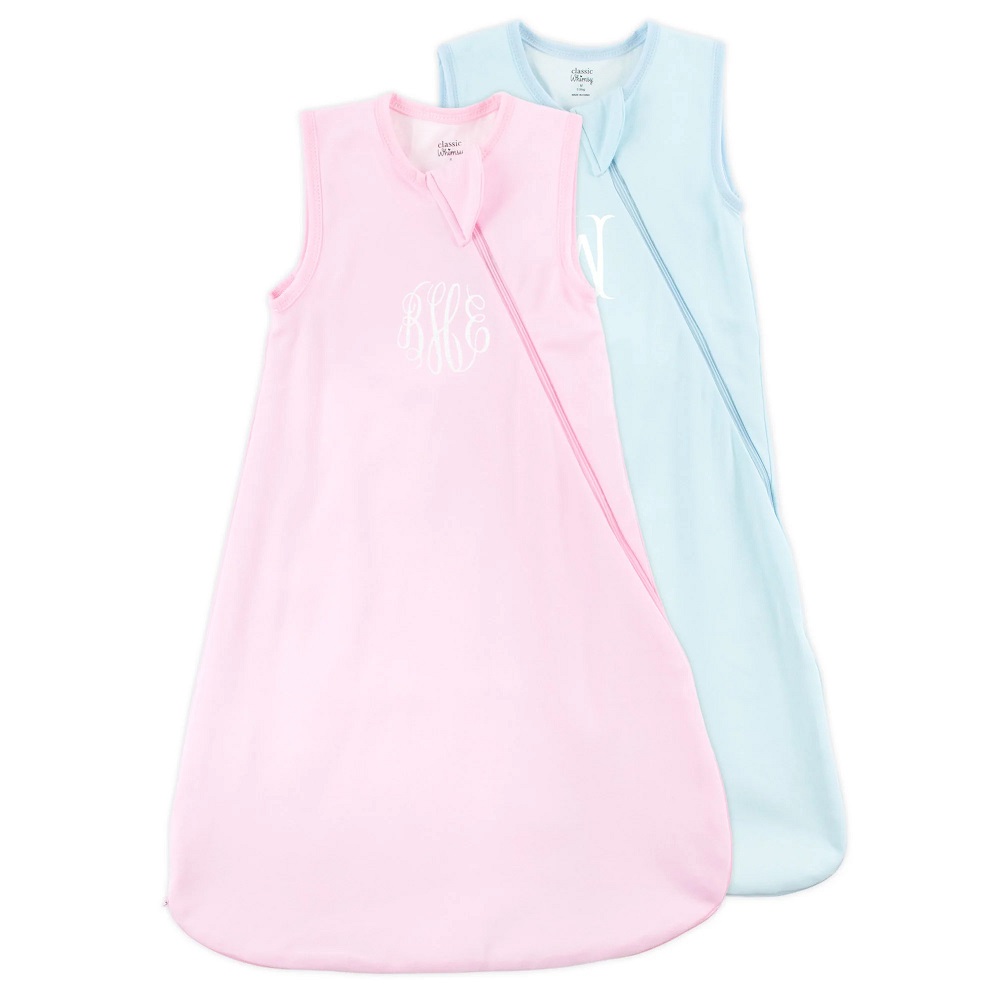
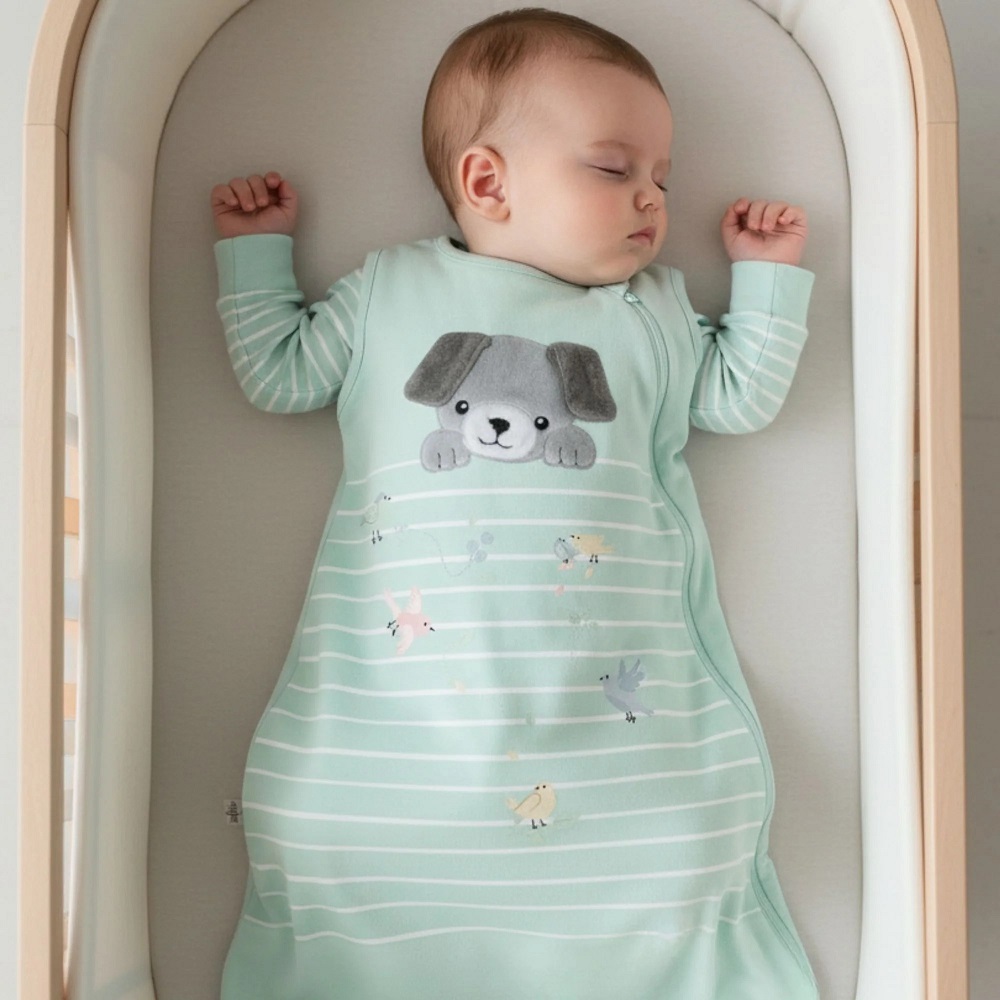
Sleep sacks are designed to be worn over a child’s sleepwear and provide warmth without the risk of loose blankets. They fasten securely with zippers, snaps, or buttons, allowing ease of use while keeping the child snug. The design promotes a restful sleep environment and helps prevent babies from rolling over or becoming entangled in blankets.
The Benefits of Using Sleep Sacks
Using a sleep sack offers multiple benefits for both children and parents. They help regulate your child’s body temperature, reducing the risk of overheating. Additionally, sleep sacks create a sense of security, much like a swaddle, which can help soothe fussy babies. Parents also appreciate the ease of changing diapers at night without removing the entire garment.
Sleep Sacks vs. Traditional Blankets
One significant advantage of sleep sacks over traditional blankets is safety. Loose blankets can pose a suffocation hazard for infants. Sleep sacks ensure that your child remains covered while minimizing risks. Many parents prefer the peace of mind that comes with using sleep sacks instead of blankets, especially for younger children.
Choosing the Right Material
Natural Fibers
When selecting a sleep sack, consider the type of fabric used. Natural fibers, such as cotton, wool, and bamboo, are popular choices for their breathability and softness. Cotton sleep sacks are lightweight and suitable for warmer climates. Meanwhile, merino wool is effective in regulating body temperature, keeping children warm without overheating.
Synthetic Fabrics
Some sleep sacks are made from synthetic materials, such as polyester or microfleece. These fabrics can provide warmth and are often more affordable than natural fiber options. However, parents should be cautious, as synthetic materials may not be as breathable. It is essential to check for moisture-wicking features that allow airflow and help prevent overheating.
Blended Materials
Many sleep sacks feature blends of natural and synthetic materials. These blends can offer the comfort of natural fibers while providing the durability of synthetics. They are designed to balance warmth, breathability, and ease of care. When evaluating blended materials, consider factors such as softness and moisture management.
Size Considerations
Understanding Size Options
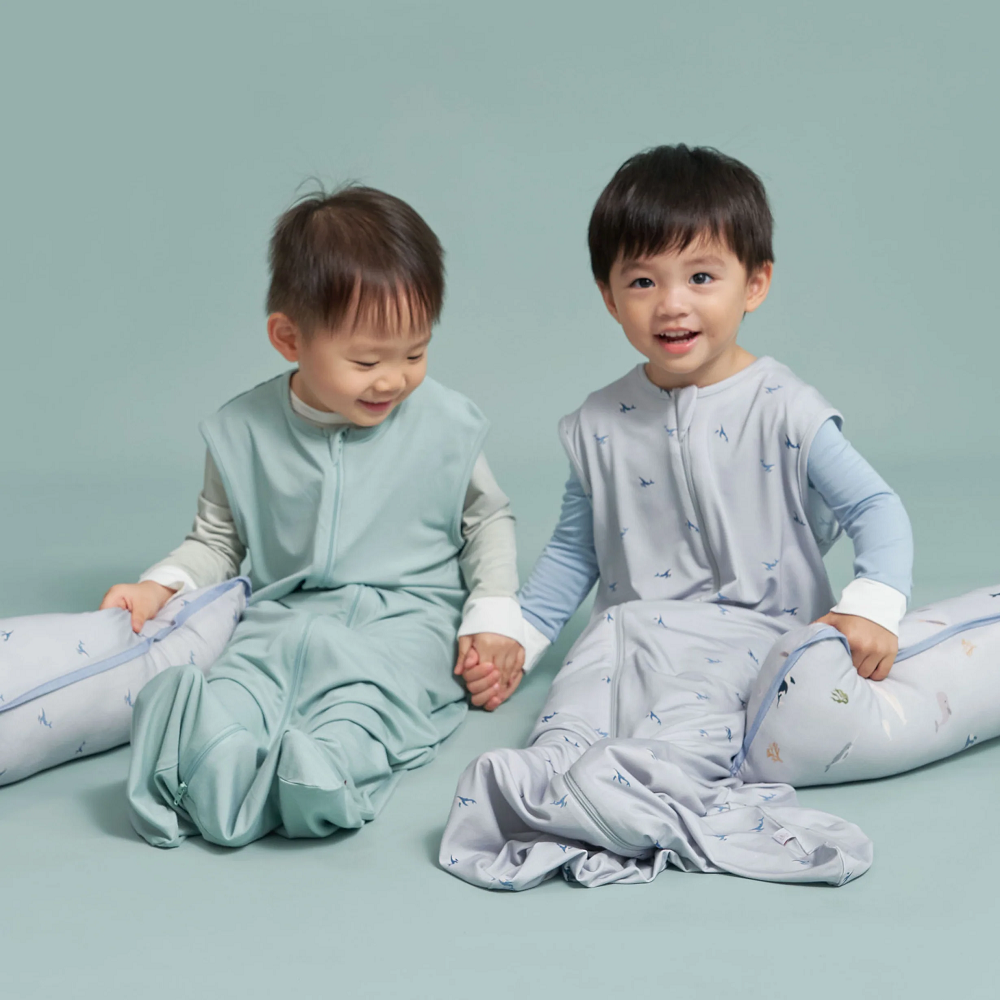
Sleep sacks come in various sizes to accommodate different age groups and body types. Typically, sizes correspond to the child’s weight and height. Common sizes include small (0-6 months), medium (6-12 months), large (12-24 months), and extra-large (2-4 years). Choosing the right size is essential for comfort and safety.
Checking the Fitting
When selecting a sleep sack, ensure it fits your child properly. The sleep sack should be snug around the arms and chest without being too tight. The bottom should allow for natural leg movement without dragging on the ground. Pay attention to the manufacturer’s sizing chart to find the best fit based on your child’s measurements.
Room for Growth
Considering that children grow quickly, it’s beneficial to choose a sleep sack that allows for some room for growth. However, ensure that it is not so large that your child could slip inside the sack, which can pose safety risks. Look for sleep sacks designed with adjustable features to accommodate your child’s growth.
Safety Features
TOG Rating
When selecting a sleep sack, consider the TOG rating, which is a measure of thermal insulation. The TOG rating indicates how warm the sleep sack will keep your child during sleep. A lower TOG (0.5 to 1) is suitable for warmer weather, while a higher TOG (2.5 to 3.5) works better in cooler environments. Understanding TOG ratings helps ensure your child remains comfortable and safe while sleeping.
Secure Closures
Check the sleep sack for secure closures, such as zippers or snaps. These closures should be easy for parents to operate but challenging for children to tamper with. Make sure that zippers have a zipper guard to prevent potential pinching of the child’s skin. Well-designed closures enhance the overall safety of the sleep sack.
No Loose Parts
Always be cautious of loose parts or embellishments on sleep sacks. Avoid sleep sacks with detachable elements that could pose choking hazards. Sleep sacks should be simple and streamlined, enhancing both safety and comfort. Always check for quality control, examining seams and closures carefully.
Care and Maintenance
Washing Instructions
Proper care of a sleep sack will maintain its integrity and hygiene. Most sleep sacks are machine washable, but it is essential to refer to the manufacturer’s instructions for specific care guidelines. Use a gentle detergent and wash it in cold water to prevent damage to the fabric and any insulating properties.
Drying Techniques
Air drying is typically recommended for sleep sacks to preserve their shape and materials. If machine drying is permitted, use a low heat setting. High heat can compromise the fabric’s flexibility and lead to shrinkage. To prolong the life of the sleep sack, avoid excessive heat during both washing and drying.
Regular Inspections
Regularly inspect your child’s sleep sack for signs of wear or damage. Check for loose threads, torn seams, or fading fabric. Addressing small issues early can prevent them from becoming larger problems. If the sleep sack shows significant wear or damage, consider replacing it for your child’s safety and comfort.

Consumer Feedback
Positive Reviews on Comfort
Many parents express great satisfaction with the comfort provided by sleep sacks. Customers appreciate the cozy feel, often highlighting how their children sleep better in a sleep sack compared to traditional bedding. The ease of use and functionality often receive commendations as well.
Insights on Versatility
Consumers frequently mention the versatility of sleep sacks across different seasons. Parents appreciate that they can adapt their child’s sleepwear to various temperatures simply by choosing the appropriate TOG rating. This adaptability is often noted as a key benefit, particularly for families in regions with fluctuating temperatures.
Recommendations for New Parents
Many existing users recommend sleep sacks to new parents, emphasizing their value in promoting safe sleep practices. They often suggest starting early during infancy to help children adjust to this sleep style. Hearing firsthand experiences from other parents can provide valuable perspectives when considering sleep sacks.
Common Concerns and Solutions
Size Adjustments
One common concern is whether the sleep sack will fit the child as they grow. Many parents find it challenging to choose the correct size for young children who grow rapidly. Look for sleep sacks with adjustable features, like snap buttons or elastic bands, allowing you to customize the fit without needing frequent replacements.
Warmth Considerations
Parents often worry about whether their child will be warm enough in a sleep sack. The key is to consider the TOG rating and the room temperature. Dress your child in appropriate layers underneath the sleep sack. For colder months, add a long-sleeved onesie or pajamas if needed. Always prioritize comfort when choosing the layers.
Fear of Overheating
Parents may also be concerned about the risk of overheating in sleep sacks. Parents can easily prevent this by choosing the right material and TOG rating for the current climate. If the room feels warm, opt for a lighter fabric and lower TOG rating. Always check your child’s body temperature to ensure they are comfortable.
FAQ:
- What materials should I look for in a sleep sack?
- Common materials include cotton, fleece, and muslin. Cotton is breathable and good for year-round use, fleece provides warmth for colder months, and muslin is lightweight and great for warmer weather. Choose materials that are soft, comfortable, and appropriate for the season.
- How do I choose the right size sleep sack for my child?
- Sleep sacks are typically sized by the child’s age or weight. Be sure to check the manufacturer’s size chart to ensure a snug fit without being too tight. A good fit allows for movement without excessive fabric that could become a safety hazard.
- What is the appropriate tog rating for sleep sacks?
- The tog rating measures thermal insulation; higher ratings mean warmer sleep sacks. For warmer months, look for a tog rating of 0.5 to 1.0, while for winter months, a rating of 2.5 to 3.5 is suitable. Consider your home’s temperature when choosing the tog rating.
- When can my child transition from a sleep sack to a regular blanket?
- The transition typically occurs between 18 months and 3 years, when a child can safely use a blanket. Gauge your child’s comfort, mobility, and ability to handle blankets without getting tangled or covering their face before making the switch.
- How do I care for and maintain a sleep sack?
- Most sleep sacks are machine washable; check the care instructions for specific guidelines. Use gentle detergents and avoid fabric softeners to maintain the fabric’s integrity. It’s also advisable to tumble dry on a low setting to prevent shrinkage.
Conclusion
Vessel sinks provide a stylish and functional solution for today’s bathrooms. They offer numerous benefits for both children and parents, making sleep sacks a popular choice in modern households. By understanding the features and specifications needed, caregivers can choose the perfect sleep sack for their little ones.
Explore Various Options
Take the time to explore different sleep sack models available on the market. Look for options that cater to your child’s age, size, and climate needs. It’s essential to consider all available styles and materials to find the best fit for your family’s unique situation.
Prioritize Safety and Comfort
When selecting a sleep sack, prioritize your child’s safety and comfort above all. Ensure that the chosen model meets safety standards and provides a snug fit without being too tight. When you find the right blend of safety features and comfort, you can help promote better sleep for your child.
Enjoy the Peace of Mind
Finally, once you’ve chosen the ideal sleep sack, enjoy the peace of mind that comes with providing a safe and comfortable sleep environment for your child, along with the benefits of using sleep sacks for a good night’s sleep. A good sleep sack can make bedtime easier and more enjoyable for both you and your little one. Embrace the convenience and security that a well-designed sleep sack offers and appreciate the beautiful moments it brings to your family’s routine.