Sleep is essential for a baby’s growth and development. Parents continuously seek ways to promote better sleep habits for their little ones. Sleep sacks, also known as wearable blankets, have gained popularity as a safe and effective sleep option. These versatile sleeping solutions provide comfort while offering a sense of security for babies. This article will explore the benefits of using sleep sacks for babies and how they contribute to sounder sleep.
Understanding Sleep Sacks
What Is a Sleep Sack?
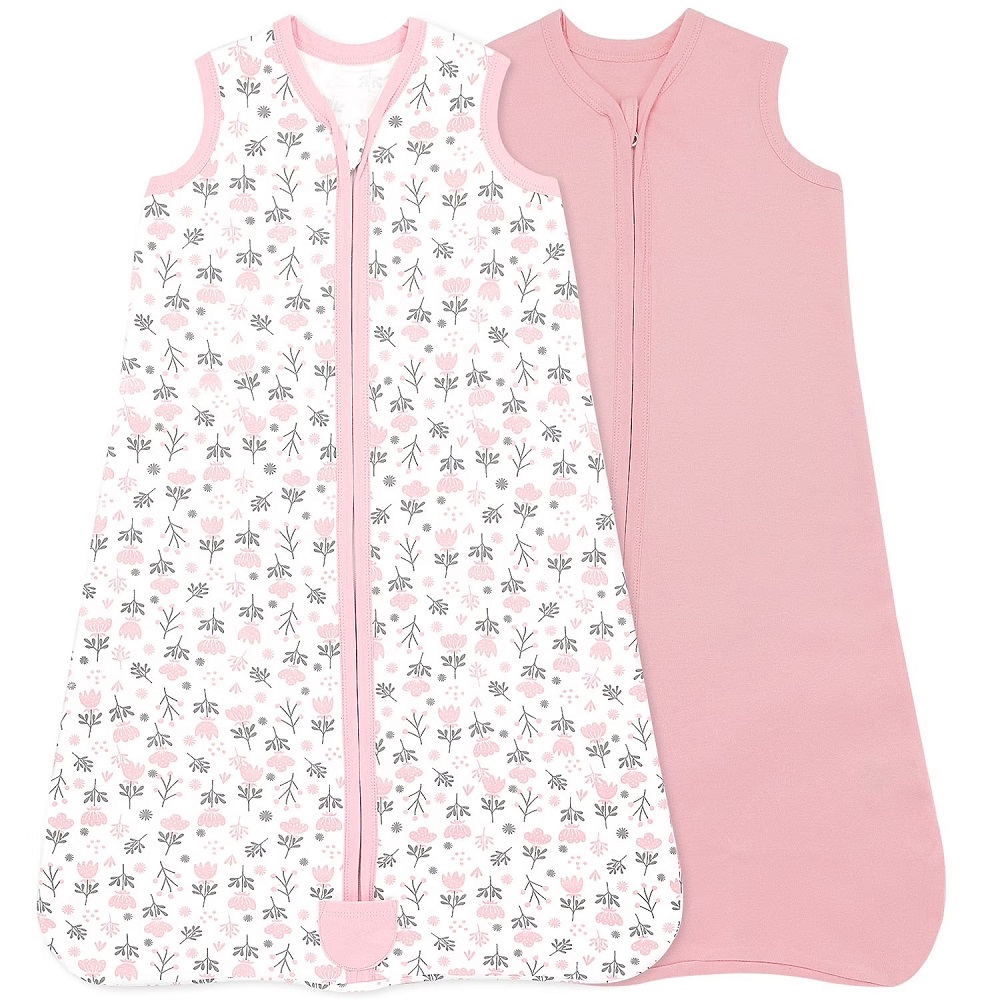
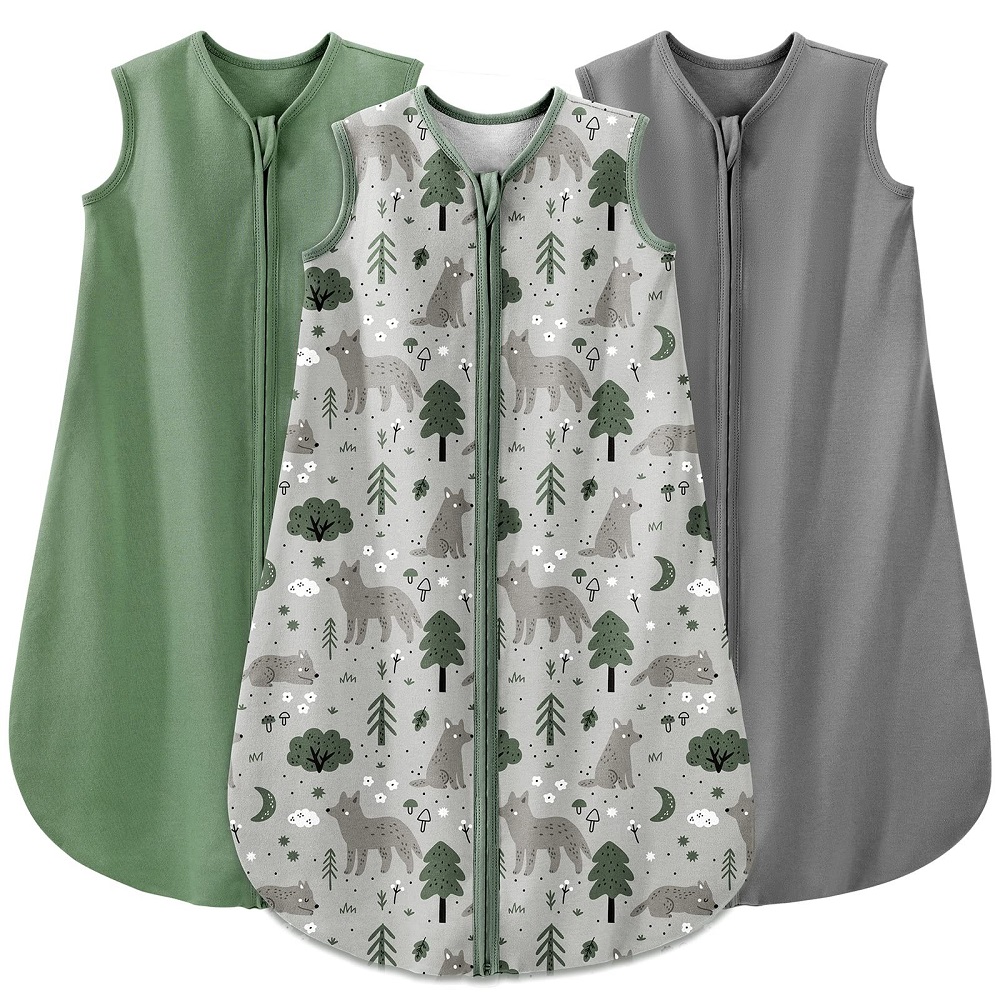
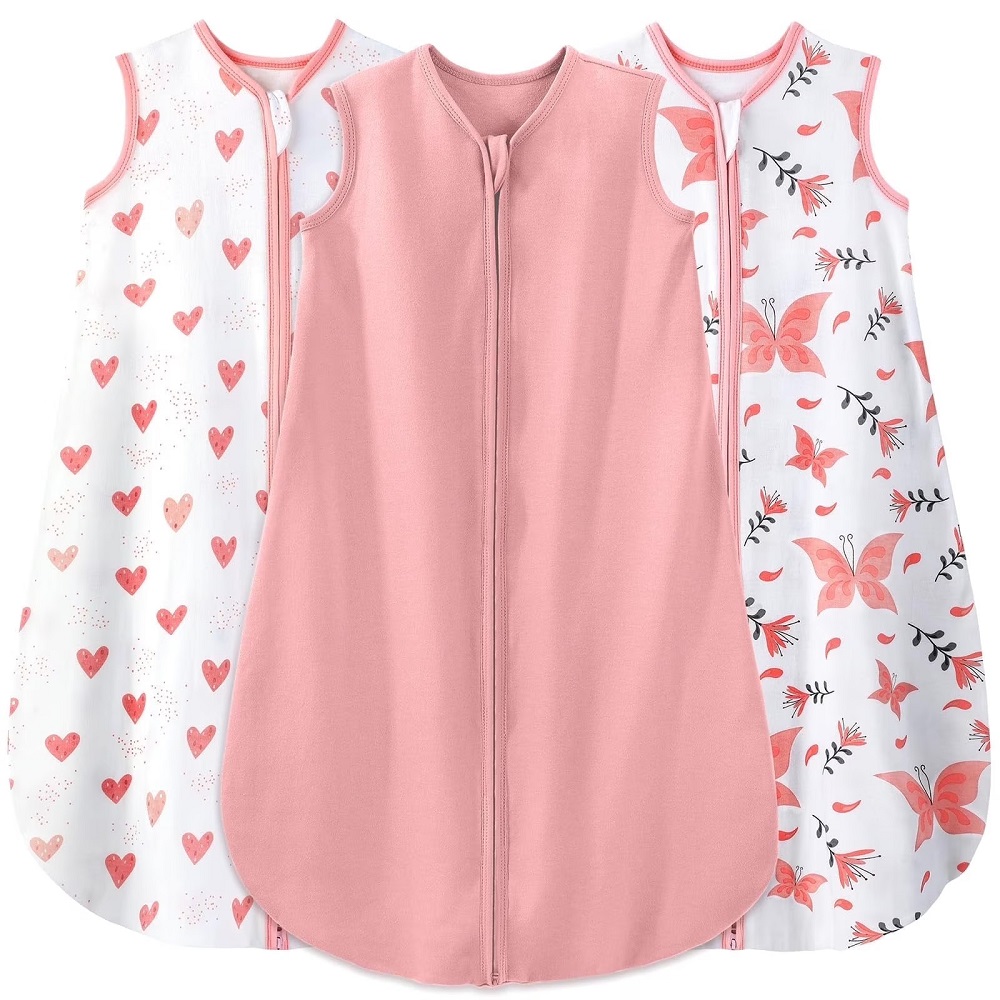
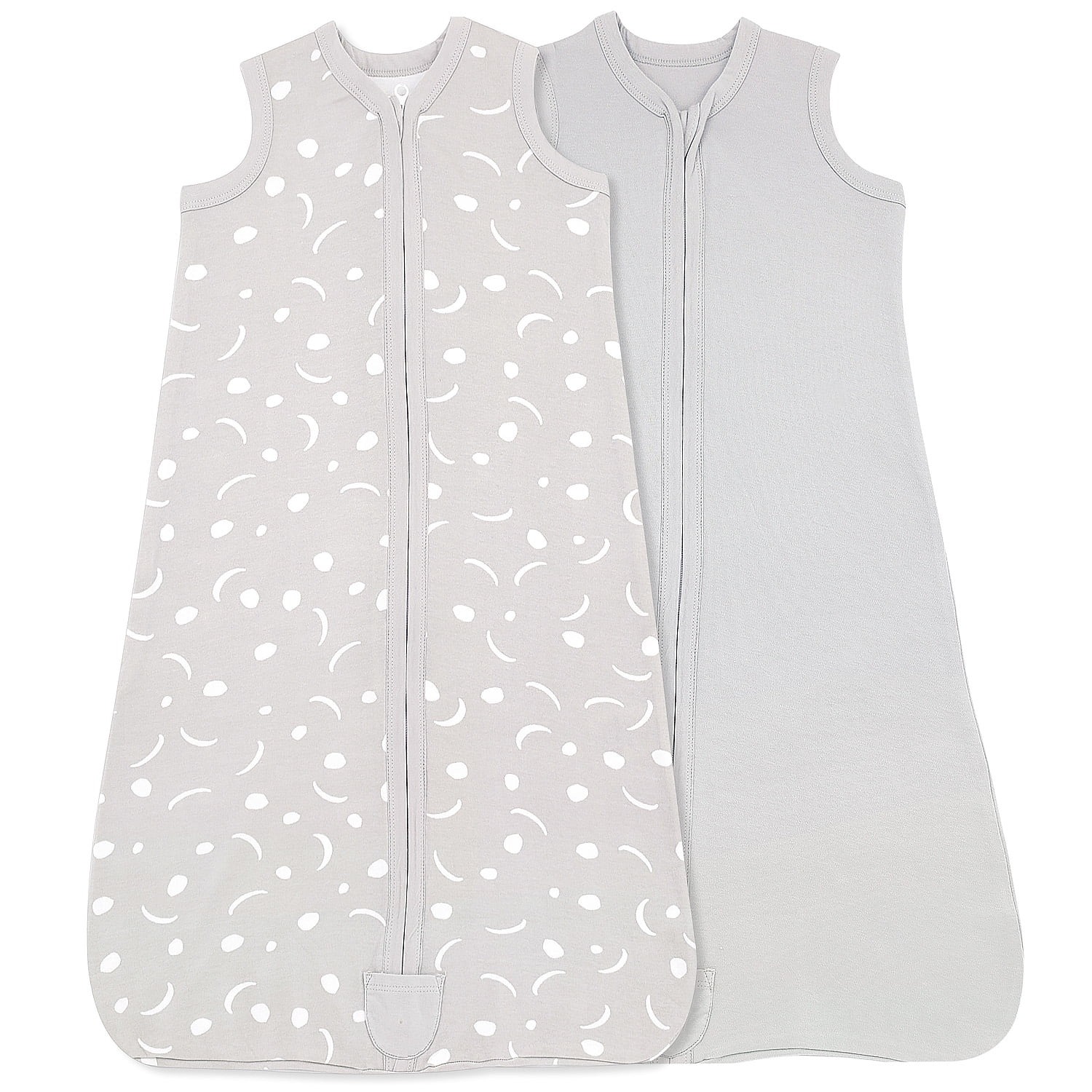
A sleep sack is a wearable blanket that allows babies to stay warm and cozy while sleeping. Unlike traditional blankets that can pose a suffocation risk, sleep sacks secure around the baby’s body and are designed to prevent entanglement. They come in various materials, sizes, and styles, catering to different preferences and climates. Sleep sacks are suitable for infants and toddlers, making them a great long-term investment for families.
How Sleep Sacks Work
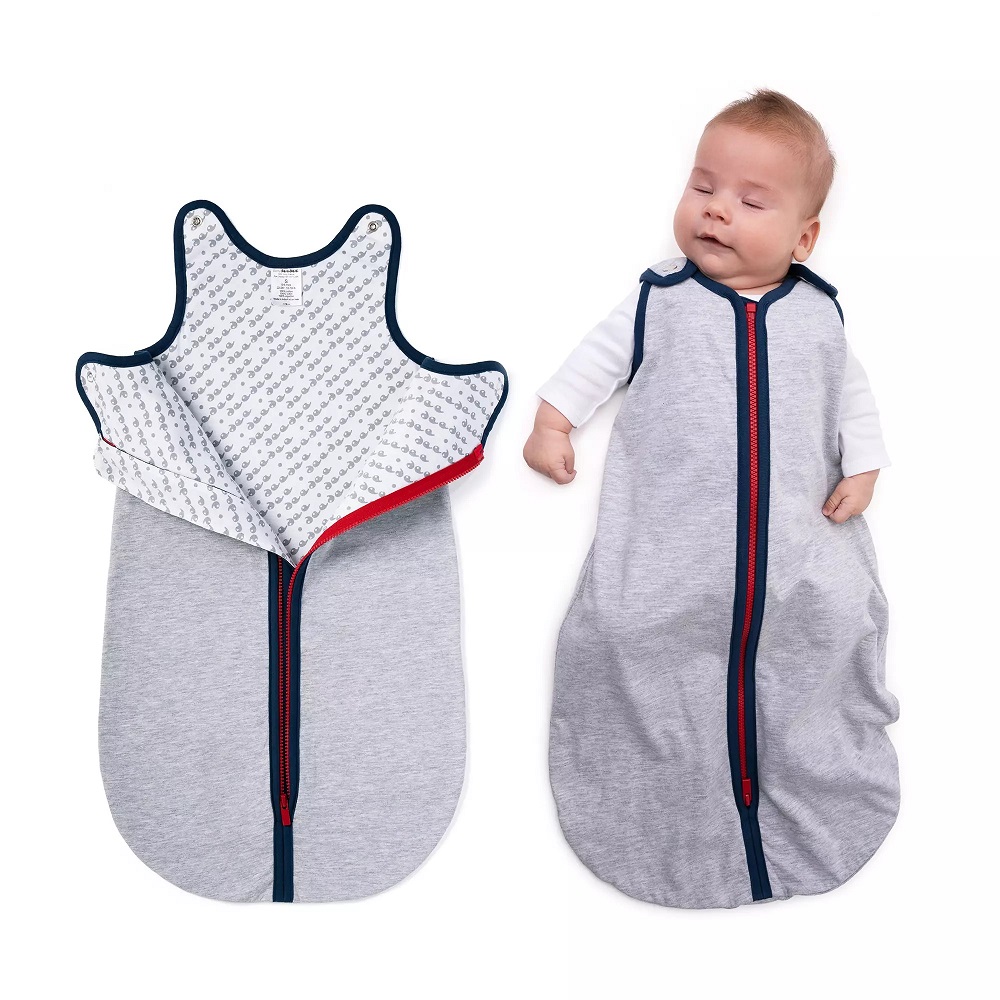
Sleep sacks create an enclosed environment that helps regulate a baby’s body temperature during sleep. The design mimics the feeling of being swaddled, which can be soothing for babies. Most sleep sacks fasten with zippers, snaps, or Velcro, allowing for easy dressing and undressing. This design helps ensure that babies remain covered throughout the night without the risk of kicking off their blankets.
Designs and Features
Sleep sacks come in various designs tailored to different ages and stages of development. Some feature adjustable lengths to accommodate growing babies, while others have transitional designs for toddlers. Many sleep sacks include armholes or open straps for added flexibility, allowing parents to choose the best fit for their child. The wide range of options lets parents select a sleep sack that meets their child’s individual needs.
Benefits of Sleep Sacks
Safety First
One of the most significant benefits of using a sleep sack is enhanced safety. Sleep sacks eliminate the risks associated with loose bedding, which can pose a suffocation hazard. By keeping the baby secure within the sack, parents can have peace of mind knowing their little one is safe during the night. The design reduces worries about entanglement or slipping under blankets.
Promoting Comfort
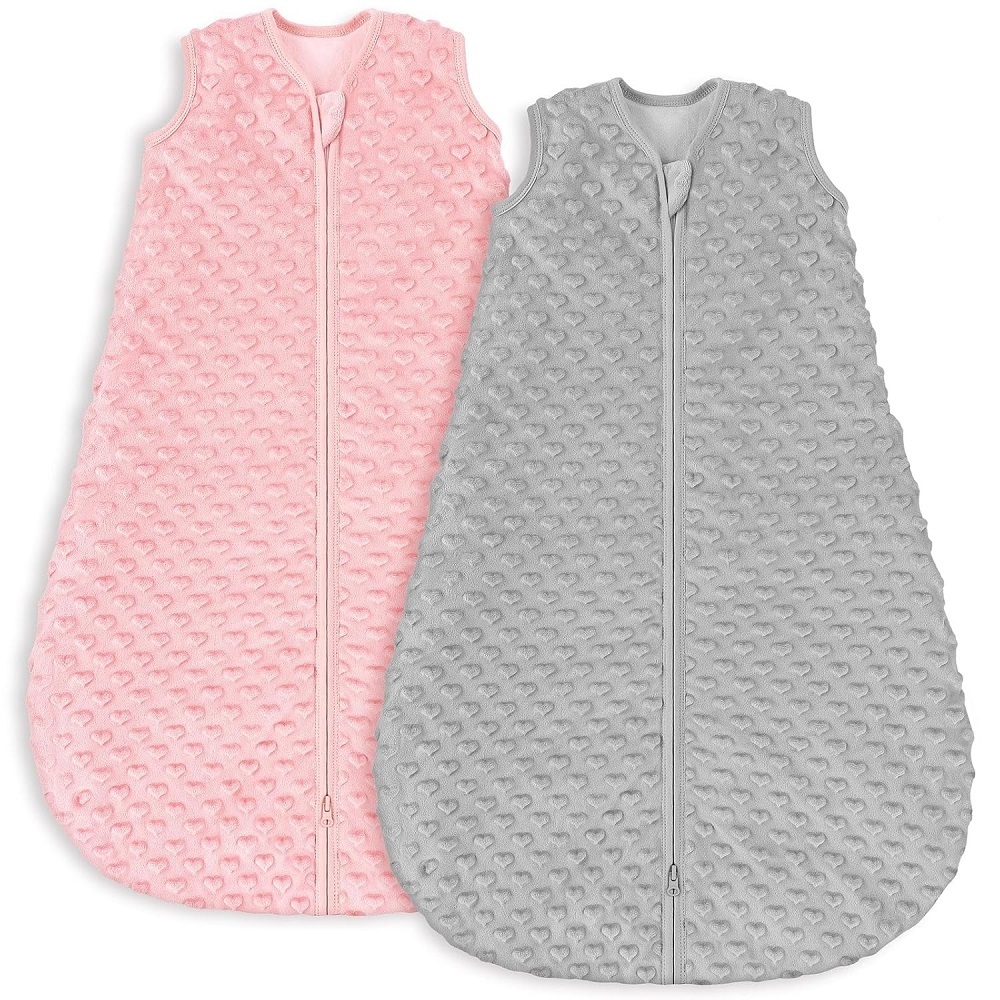
Sleep sacks provide a soft and comfortable sleeping environment for babies. Many sleep sacks are made from cozy, breathable materials that help regulate body temperature. By maintaining a comfortable temperature, babies are less likely to wake from discomfort due to being too hot or too cold. A comfortable sleeping environment can significantly improve a baby’s overall sleep quality.
Supporting Natural Sleep Patterns
The design of sleep sacks can support a baby’s natural sleep patterns. Newborns are accustomed to the feeling of being swaddled, and using a sleep sack mimics this sensation. As babies transition from swaddling, sleep sacks can provide a similar sense of security while allowing for a baby’s freedom of movement. This support can lead to longer sleep stretches and happier, more rested babies.
Choosing the Right Sleep Sack
Age and Size Considerations
Selecting a sleep sack suitable for your baby’s age and size is essential. Sleep sacks are available in various sizes, often categorized by weight and age. It is important to choose the right size to ensure that the sleep sack fits snugly but does not restrict movement. Most manufacturers provide a sizing chart for guidance, making it easier for parents to find the correct fit.
Seasonal Material Selection
The material of the sleep sack will affect how warm or cool it is for your baby. For colder months, opt for thicker materials, such as fleece or heavy cotton, to keep your baby warm. During warmer months, consider lightweight and breathable fabrics like cotton and muslin. These material choices help regulate body temperature, ensuring your baby stays comfortable throughout the night.

Safety Certifications
When choosing a sleep sack, look for products that meet safety standards. Many reputable brands have certifications from organizations such as the American Society for Testing and Materials (ASTM) or the Consumer Product Safety Commission (CPSC). These certifications ensure that the sleep sack has been tested for safety parameters, providing reassurance to parents when making a selection.
Installation and Usage Tips
Proper Use of Sleep Sacks
To maximize the benefits of sleep sacks for babies, it’s essential to use them correctly. Dress your baby in lightweight sleepwear underneath the sack. Avoid using heavy clothing or blankets inside the sack to prevent overheating. The sleep sack should provide warmth while allowing for natural breathability. Ensure that your baby’s head can fit comfortably inside the neck hole without being too loose or tight.
Transitioning from Swaddling
For parents transitioning their baby from swaddling to using a sleep sack, the process can be gradual. Begin with a swaddle sleep sack that has armholes. This allows the baby to enjoy the feeling of being swaddled while gaining freedom of movement in their arms. Gradually introduce a traditional sleep sack as the baby becomes accustomed to the new sleep routine.
Regular Monitoring
Continue to monitor your baby’s comfort and temperature throughout the night while using a sleep sack. Ensure that the baby does not become overheated, especially during warmer nights. Checking periodically can provide peace of mind and help address any issues quickly.
Maintenance and Care for Sleep Sacks
Regular Washing
To keep sleep sacks hygienic, regular washing is important. Most sleep sacks can be machine washed, which makes cleaning easy. Always follow the manufacturer’s care instructions for washing and drying. Using a gentle detergent can help maintain the fabric’s quality and softness, ensuring your baby’s comfort.
Inspecting for Damage
Periodically inspect your baby’s sleep sack for wear and damage. Check for loose threads, stains, or tears during laundry time. Address any issues promptly, as a damaged sleep sack can pose safety risks. If damage is significant, consider replacing the sleep sack to ensure your baby’s comfort and safety during sleep.
Storing Sleep Sacks
If you have multiple sleep sacks for babies, store them properly when not in use. Keep them in a clean, dry area away from moisture or pests. Avoid folding them too tightly to reduce creasing or fabric distortion. Proper storage will ensure that sleep sacks remain in good condition for future use.
Expert Recommendations
Pediatrician Advice
Many pediatricians recommend the use of sleep sacks as a safe sleep solution for infants. They emphasize the importance of avoiding loose blankets in cribs to minimize the risk of Sudden Infant Death Syndrome (SIDS). Sleep sacks provide a safer alternative while allowing babies to be comfortable and secure.
Sleep Training Tips
When implementing sleep training with an infant, sleep sacks can play a helpful role. Sleep sacks can help create a calming routine around sleep time, signaling to the baby that it is time to wind down. Parents can establish a soothing bedtime ritual, which includes using the sleep sack as part of the process.
Recommendations for New Parents
Current parents often offer valuable insights to new parents regarding sleep sacks. Many emphasize choosing a reputable brand known for quality and safety. It is beneficial to seek recommendations from trusted sources, such as family or parenting groups. These insights can guide new parents toward making more informed decisions.
Common Concerns and Solutions
Overheating
Many parents worry about their baby getting too hot while using a sleep sack. To prevent this, always dress your baby in lightweight clothing and choose a sleep sack with a suitable TOG rating. Be mindful of the room temperature and adjust clothing layers accordingly to maintain a comfortable environment.
Getting Used to the Sleep Sack
Some babies may take time to adjust to using a sleep sack. If your baby resists the change, consider introducing the sleep sack gradually during nap times before using it overnight. This approach allows babies to become familiar with the feeling of being in a sleep sack while they are awake and comfortable.
Finding the Right Size
Parents may be unsure about selecting the proper size for their baby. It is essential to check the manufacturer’s sizing chart and measure your child’s height and weight. Some sleep sacks come with adjustable features that allow for a custom fit, but always prioritize size for safety and comfort.
FAQ:
- What are the benefits of using a sleep sack for my baby?
- Sleep sacks promote safer sleep by eliminating the risk of suffocation or overheating from loose blankets. They also provide a familiar and comforting environment, which can help babies feel secure and settle down for sleep more easily.
- At what age can I start using a sleep sack for my baby?
- Sleep sacks can be used from birth, as long as they fit appropriately and are designed for infants. Many brands offer options specifically tailored for newborns, ensuring both safety and comfort for your baby during sleep.
- How do I choose the right size sleep sack for my baby?
- To choose the right size, check the manufacturer’s size chart based on your baby’s weight and length. A properly sized sleep sack should fit snugly around the neck and shoulders to prevent slipping while allowing enough room for the baby to move their legs.
- What materials are best for baby sleep sacks?
- High-quality sleep sacks are typically made from breathable materials like cotton, bamboo, or muslin. Choosing lightweight, breathable fabrics helps regulate your baby’s temperature and provides comfort. Warmer options, like fleece, are available for colder seasons.
- How do I care for and maintain a sleep sack?
- Most sleep sacks are machine washable; however, always check the care instructions. It’s advisable to wash them in cold water using gentle detergents and to avoid fabric softeners, which can affect the material’s breathability. Tumble dry on low heat or hang to dry.
Conclusion
Sleep sacks are a valuable addition to any baby’s sleep routine. They offer safety, comfort, and ease of use, making them an ideal choice for parents. Understanding the benefits and features of sleep sacks for babies can help caregivers make informed choices for their children’s sleep environments.
Explore Multiple Options
Take the time to explore various sleep sack options available in the market. Factors such as material, size, and style should be considered to find a sleep sack that perfectly suits your baby’s needs. By assessing the available options, you can confidently choose the right sleep sack to enhance your child’s sleep experience.
Prioritize Safety and Comfort
When selecting sleep sacks for babies, remember that safety and comfort should be your top priorities. Ensure that the sack fits snugly without being overly restrictive and is made from breathable materials. Finding the right balance between comfort and safety will lead to a more pleasant sleeping experience for both you and your baby.
Enjoy Peaceful Sleep
In the end, using a quality sleep sack, including the best sleep sacks for newborns to promote better sleep, can significantly improve your baby’s sleep quality. Enjoy the peace of mind that comes from knowing your child is safe and comfortable throughout the night. With a thoughtfully selected sleep sack, you’ll create a nurturing sleeping environment that fosters better sleep for your baby. Embrace the journey of parenthood and cherish those precious moments together during the night.